
Introduction
Are you ready to ditch the plastic guilt and embrace a food wrap that’s as good for your business as it is for the planet? The plastic cling film that we’re familiar with keeps our leftovers fresh and our sandwiches secure, but it has a bit of a dark side. It’s made from fossil fuels, takes centuries to break down, and often ends up as pollution in our oceans and landfills.
Honestly, the tide is turning. Compostable cling film is a revolutionary alternative that offers all the convenience and performance you expect. Let’s dive into why this innovative sustainable cling wrap deserves a prime spot in your operation.
What is Compostable Cling Film?
At its core, compostable cling film is designed to mimic the properties of conventional plastic cling film – that familiar stretch, cling, and transparency – but with a crucial difference: its end-of-life. Instead of lingering in a landfill for what feels like eternity, it’s engineered to break down into natural elements like carbon dioxide, water, and biomass when placed in a suitable composting environment. It’s like giving your food wrap a second life, but as nutrient-rich soil.
The Green Materials Behind the Wrap
The secret sauce for compostable saran film lies in its materials. These wraps are typically crafted from plant-based biopolymers. You’ll often find ingredients like:
- Polylactic Acid (PLA): This is usually derived from fermented plant starch, commonly from corn, sugarcane, or cassava. Think of it as the sturdy, clear backbone of the wrap.
- Polybutylene Adipate Terephthalate (PBAT): PBAT is a biodegradable polymer that’s often blended with PLA. It’s the key to that essential flexibility and stretchiness, and it helps the film break down more readily.
- Corn Starch: Another common base, leveraging the natural polymers found in corn to create a flexible and biodegradable film.
- Cellulose, Seaweed, and Fruit Extracts: Some innovators are exploring even more diverse plant-based sources to create next-generation compostable films.
The beauty of these materials is that they are renewable resources, significantly reducing reliance on fossil fuels and the associated carbon emissions. Plus, you can rest easy knowing there are no harmful chemicals like BPA or phthalates leaching into your food.
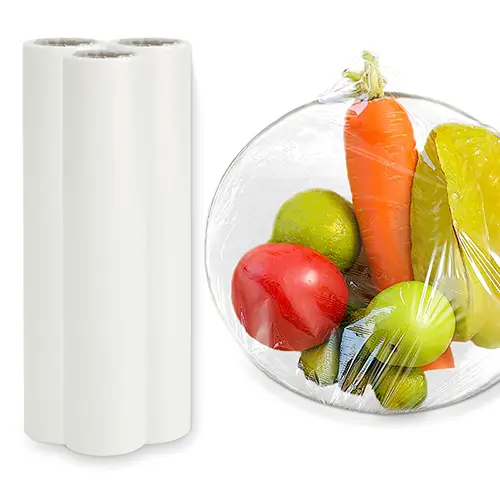
How Does it Compare to Plastic Cling Wrap?
Now, I know what you might be thinking: “Does it really work as well as the plastic stuff?” We may have all had those frustrating moments with cling film that just won’t stick, or tears when you look at it funny. But here’s the thing: modern compostable cling wrap has come a long, long way. Let’s get into a direct comparison.
Sealing Capabilities: How Well Does It Seal?
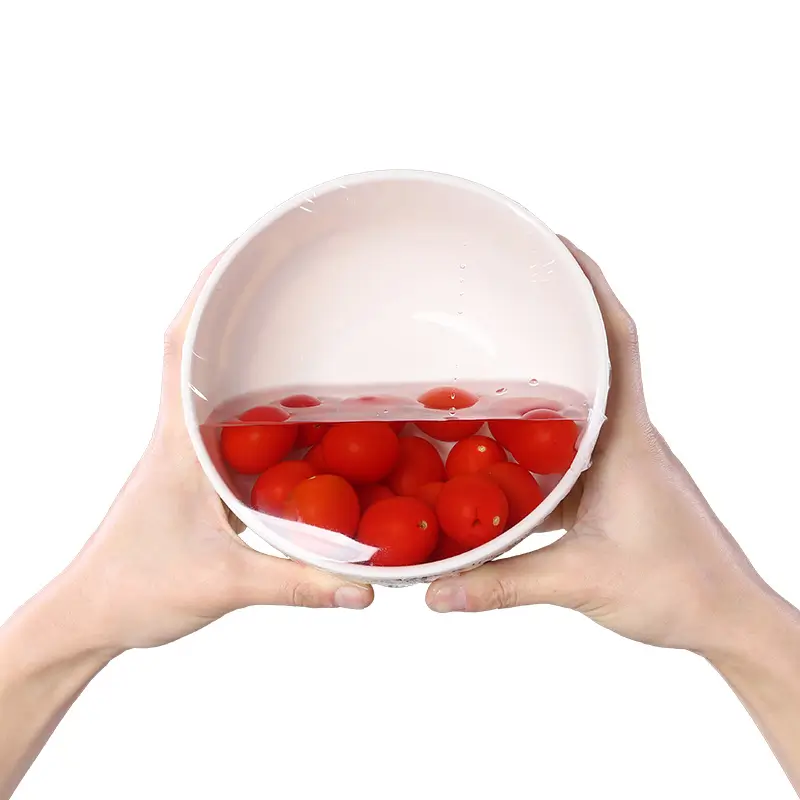
It clings remarkably well! It forms a secure seal on bowls, plates, and even oddly shaped fruits and vegetables. Some even find it a bit “stickier” than traditional plastic wrap, which can be a good thing for ensuring a tight seal.
An airtight seal is crucial for preserving freshness and preventing contaminants from getting in. Compostable clinging films effectively slow down oxidation, reduce moisture loss, and protect your food from external elements. This means your fruits stay vibrant, your veggies crisp, and your leftovers taste just as good the next day.
Barrier Properties: Keep the Bad Stuff Out
Compostable food wraps act as a formidable barrier against moisture and oxygen, two of the main culprits behind food spoilage. They help prevent the ingress of air, which can lead to wilting, browning, and bacterial growth. Some materials even offer a controlled gas exchange, which is vital for keeping produce fresh for longer. Crucially, they also block microorganisms like yeast and mold, ensuring our food stays safe and hygienic.
By effectively controlling moisture and oxygen, compostable cling wrap directly contributes to extending the shelf life of your food. Compared to some specialized plastic wrap, its oxygen barrier is comparable or slightly less, but perfectly adequate for short-to-medium term storage of most foods (thick days to a couple of weeks, not months).
Clarity and Flexibility: Visual Appeal and Ease of Use
Beyond performance, the visual appeal and ease of use are also important.
Most compostable plastic wrap films are designed to be transparent, allowing customers to see the quality of the product inside. This visual appeal is crucial for retail settings, ensuring your produce, baked goods, or pre-packed meals look as good as they taste.
The stretchability of these films is key to their ability to conform to different shapes and sizes. Whether you’re wrapping a bowl of salad or a block of cheese, the wrap stretches to fit snugly, creating that secure seal. This flexibility makes them incredibly versatile for a wide range of food items.
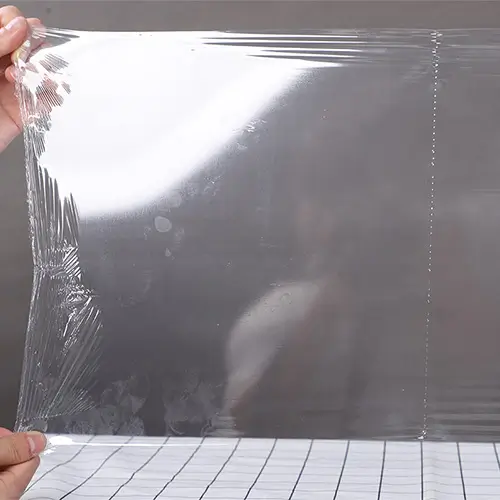
Handling compostable cling film is generally straightforward. Rolls unwind smoothly. The key difference often lies in the feel– it might feel slightly less “slippery” than plastic, but this doesn’t hinder usability. In addition, Many come with perforated design for easy tearing, or slide cutters for precise dispensing.
Temperature Resistance: From Fridge to Microwave
Understanding how your wrap performs in different temperatures is essential for proper food storage.
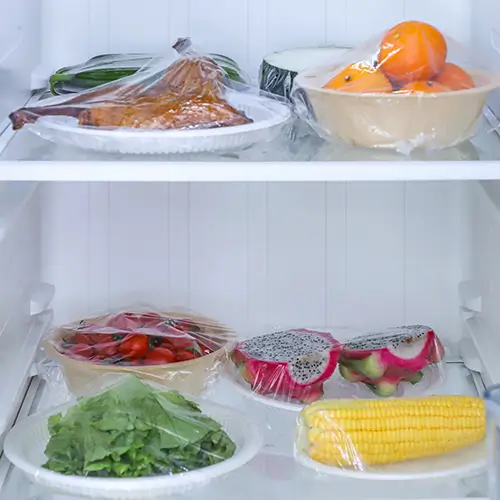
Compostable saran film holds up well in refrigeration. It maintains its flexibility and sealing properties in cold environments, ensuring your chilled foods stay fresh.
Here’s a point where you need to be a little more cautious. Not all compostable food wraps are microwave-safe, and even those that are have strict limitations. Always check the manufacturer’s specifications. Some films are designed for very short, low-power microwave reheating (e.g., loosening a seal or warming a plate for 10-30 seconds.) They are generally not suitable for cooking, prolonged heating, or covering foods with high fat or sugar content that get very hot. When in doubt, remove it! Direct contact with hot food can cause melting or compromise the film.
Innovative Designs: Enhancing User Experience with Compostable Cling Wrap
The evolution of compostable stretch cling film isn’t just about the materials; it’s also about smart design that makes using the product easier and safer for both businesses and consumers.
Cutting-Edge Features for Efficiency and Safety
- Integrated Slide Cutter: This is a game-changer for kitchens, delis, and catering operations. A built-in slide cutter (like on heavy-duty foil boxes) offers a much safer and more convenient way to dispense the film. No more fumbling for a serrated edge or accidental cuts – just zip and seal. This significantly boosts efficiency and reduces accidents.
- Break-Pointing Design: Some rolls feature clever perforations or weakened lines at regular intervals. A simple pull creates a clean, straight edge every time. This minimizes waste, improves portioning efficiency, and makes tearing effortless, even with wet hands. Perfect for high-volume environments where seconds count.
How Long does Compostable Cling Wrap Take to Decompose?
The Decomposition Timeline: Industrial vs. Home Composting
- Industrial composting: In a controlled industrial composting facility, with optimal temperature, moisture, and microbial activity, compostable cling film typically break down within 3-6 months.
- Home composting: For home compostable certified products, the timeframe can be longer, often taking 6 months to over a year or more in a well-managed home compost bin. However, it’s vital to remember that home composting conditions can vary greatly, so decomposition might take longer depending on your specific setup.
Benefits of Using Compostable Cling Wrap for Food Storage
Switching to compostable cling wrap isn’t just about hopping on an environmental trend; it’s a strategic business decision with far-reaching advantages.
Environmental Stewardship
By opting for sustainable cling film, you directly reduce your reliance on petroleum-based plastics. This means less plastic waste entering landfills and oceans, and a lower carbon footprint for your operations.
Compostable materials help close the loop in the product lifecycle. When disposed of correctly, they return valuable organic matter to the soil, supporting a circular economy and reducing the demand for virgin resources.
Enhanced Brand Image and Consumer Trust
Consumers are increasingly aware of environmental issues and actively seek out brands that align with their values. Using compostable cling film sends a powerful message about your commitment to sustainability, attracting and retaining environmentally conscious customers.
Adopting eco-friendly packaging is a tangible way to demonstrate your company’s commitment to CSR. It builds trust, enhances your brand image, and differentiates you from competitors who are still relying on traditional plastics.
Regulatory Compliance and Future-Proofing
Governments worldwide are implementing stricter regulations on single-use plastics and non-recyclable materials.
By proactively switching to compostable cling film, you position your business as forward-thinking and ensure compliance with current and future environmental legislation. This can help you avoid potential fines and the disruption that last-minute changes can cause.
This transition signals that your business is innovative and committed to sustainable practices, a key factor for many B2B partners and consumers alike.
Product Integrity and Safety
As we’ve discussed, compostable cling film offers excellent performance in sealing, barrier properties, and temperature resistance, ensuring your food remains fresh and of high quality.
Compostable cling films are manufactured to be food-safe, free from harmful chemicals, and designed to protect your products effectively.
Applications of Compostable Cling Film
The versatility of compostable cling film makes it a valuable asset across a wide range of industries within the food sector.
Food Manufacturing and Processing
It’s perfect for wrapping individual portions of ingredients, pre-portioned meal kits, or finished food products, ensuring hygiene and visual appeal.
It provides a reliable barrier during transportation and storage, maintaining product integrity until it reaches its destination.
Food Service and Hospitality
Restaurants, cafes, and hotels can significantly reduce their environmental impact by adopting sustainable plastic wrap for food.
Wrapping individual meals, sandwiches, pastries, and baked goods for grab-and-go or dine-in service becomes a more sustainable practice.
In commercial kitchens, it’s ideal for covering ingredients, prepared dishes, and containers, maintaining food safety and freshness.
Retail and Grocery Stores
Supermarkets can enhance their sustainability credentials by using compostable cling film.
From loose fruits and vegetables to deli meats and freshly baked bread, compostable cling film provides an eco-friendly wrapping solution.
Catering and Event Management
Caterers can use it for efficient food preparation, portioning, and attractive presentation of dishes.
It allows for the hygienic serving of individual portions while minimizing environmental impact, a key selling point for event organizers and clients.

Conclusion: Embrace Sustainability for a Stronger Business Future
Let’s recap. Compostable cling film has evolved from a niche alternative to a high-performing, practical solution. It delivers:
- Reliable Performance: Excellent cling, clarity, flexibility, and cold storage capability for everyday food protection.
- Genuine Sustainability: A clear path out of landfill via industrial composting, reducing plastic pollution and fossil fuel reliance.
- Tangible Business Benefits: Enhanced brand reputation, consumer trust, regulatory preparedness, and alignment with future-focused values.
The era of single-use plastic dominance is waning. Consumers demand better, and the planet urgently needs it. Switching to compostable cling wrap isn’t just an environmental gesture; it’s a smart investment in your brand’s resilience, appeal, and long-term viability.
Ready to make the sustainable shift? Don’t just take our word for it. Request samples of high-performance compostable cling film and experience the difference firsthand in your kitchen, production line, or store. Contact us today to discuss how we can help you seamlessly integrate sustainable packaging solutions and future-proof your business. Let’s wrap things up sustainably, together.
FAQs
Primarily plant-based materials like PLA (from corn or sugarcane starch) and PBAT (a compostable polyester). These are blended to create a film that clings well and breaks down in industrial composting. Always check the specific formulation.
Yes. When disposed of in the appropriate composting environment, compostable cling wrap is designed to break down into natural elements like carbon dioxide, water, and biomass.
Potential downsides can include a slightly different handling feel compared to traditional plastic, the need for specific disposal in composting facilities (not recycling bins), and a shelf life that requires mindful storage and purchasing. Some may also be more expensive than conventional plastic wrap.
Modern compostable cling films offer comparable performance to traditional plastic cling films in terms of stretch, cling, sealing capabilities, and barrier properties.