
Facing tightening environmental regulations and growing consumer demand for sustainability, businesses are rapidly shifting towards compostable shrink film for packaging. For bulk buyers in manufacturing, logistics, and retail, selecting the right certified compostable shrink wrap isn’t just an eco-statement—it’s a critical operational and financial decision. This guide cuts through the complexity, focusing on the key factors that impact your decision.
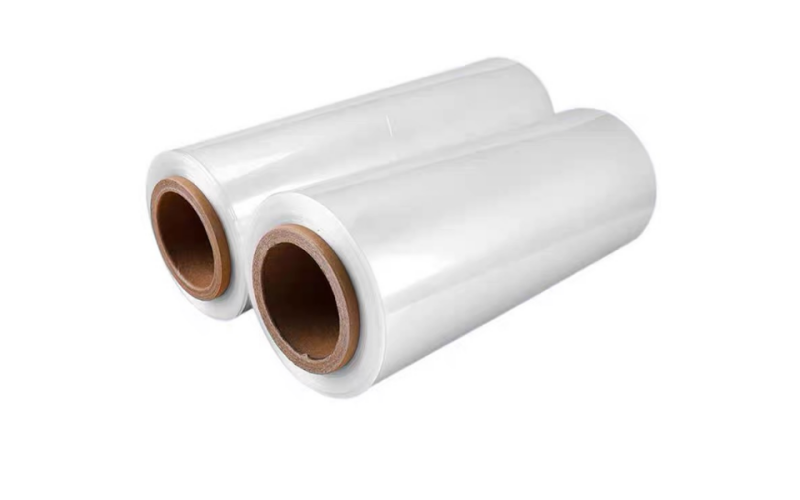
6 Key Considerations for Bulk Purchase of Compostable Shrink Film
1. Material Composition
The core material of your biodegradable shrink wrap dictates cost, performance, and supply chain stability. Compostable wrapping films are usually crafted from PLA, PBAT and PHA polymers.
Table 1: Primary compostable film materials
| Material | Key Strengths | Cost (Indexed) | Best For |
|---|---|---|---|
| PLA | High clarity, stiffness, FDA-approved | 1.0x | Beverage multipacks, box overwrap |
| PBAT | Extreme flexibility, tear resistant | 1.3-1.5x | Irregular, fragile items |
| PLA + PBAT | Balanced performance | 1.2-1.4x | Most general packaging |
| PHA | Marine biodegradable, heat resistance | 2.0x | Premium, organic products |
Bulk buyers must assess:
- Cost Analysis: PLA-based films often provide the best entry-level price point for high-volume orders, while PHA blends command a premium.
- Supply Chain Stability: Ensure potential suppliers have robust, diversified raw material sourcing and proven capacity for consistent, large-batch production of your chosen compostable film.
2. Product Characteristics Compatibility
The shape and nature of your products directly drive compostable shrink wrap selection:
Regular Shapes (e.g., boxes, bottles, cans, books)
Sharp or Irregular Items (e.g., electronics, tools, fresh produce)
3. Film Performance
- Shrink Ratio: The shrinkage rate is an important parameter that indicates the extent to which a film shrinks in both the mechanical direction (MD) and the lateral direction (TD). It is necessary to verify whether the specified shrink ratio of the film matches the capacity of your equipment, as using the wrong eco-friendly shrink packaging will reduce throughput.
- Thickness & Strength: Thicker compostable shrink film (50-75+ micron) is essential for heavy items or pallet wrapping, while thinner films (35-50 micron) suffice for light bundling. Assess tensile and tear strength data sheets rigorously.
Table 2: Key parameters of compostable heat shrink film
| Parameter | Standard Range | High-Speed Line Needs |
|---|---|---|
| Shrink Temperature | 90-110°C | <95°C (energy savings) |
| Shrink Ratio (MD/TD) | 50/20% – 80/40% | 70/30% (tight seal) |
| Tensile Strength | ≥40 MPa | ≥60 MPa (pallet wrap) |
- Clarity & Printability: For consumer-facing retail packaging, high-gloss clarity and compatibility with standard flexographic or digital printing are non-negotiable for brand presentation. Ensure the biodegradable film supports your labeling requirements.
4. Addressing Specific Application Needs
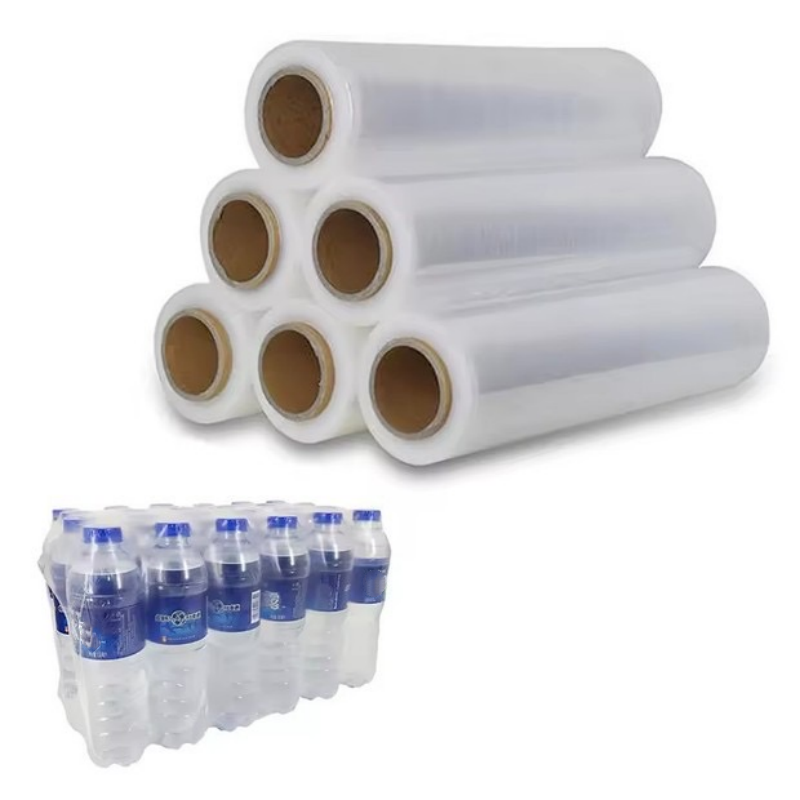
- Small Items Bundling (Cans, Bottles): Requires excellent elasticity for tight bundling and strong seal integrity to prevent unraveling.
- Large Volume/Pallet Wrapping: Demands exceptional tensile strength, high cling force, and wider roll formats. Compostable pallet wrap must withstand significant load forces without tearing or losing tension.
5. Certifications and Compliance
- Food Contact Safety: Mandatory for food/beverage/pharma. Insist on FDA 21 CFR or EU Regulation 10/2011 compliance documentation for your food-grade compostable film.
- Biodegradability & Compostability: Look for recognized standards like ASTM D6400 (Industrial Composting) or EN 13432 (EU Industrial Composting). Understand if industrial or home composting is claimed – industrial is far more common for these films currently.
- Regional Regulations: Requirements vary drastically (e.g., EU packaging directives vs. US state laws). Ensure your chosen certified compostable shrink wrap meets the specific regulations of your target markets.
6. Cost-Effectiveness in Bulk Purchasing
Look beyond simple price-per-roll:
- Cost per Square Meter/Unit Packed: Factor in yield (shrinkage), film width optimization, and waste rates inherent to the specific compostable shrink film.
- Long-Term Stability & Storage: Compostable films can have shorter ambient shelf lives than traditional plastics. Factor in warehouse conditions (temp, humidity) and potential degradation if stored long-term before use. Bulk orders need stable storage solutions.
Partner with A Reliable Compostable Shrink Film Manufacturer
Choosing the right partner is as vital as choosing the right film. Demand:
- Proven Capacity & Lead Times: Can they reliably fulfill massive, recurring orders? What are standard and rush lead times?
- Comprehensive Documentation: Insist on readily available, up-to-date Certificates of Analysis (CoA), Material Safety Data Sheets (MSDS), and independent third-party test reports for all claimed certifications (FDA, compostability, etc.).
- Technical Support & Customization: Do they offer expert guidance for machine settings? Can they tailor compostable film thickness, width, or formulation for unique needs?
- Clear Terms: Understand minimum order quantities (MOQs), payment terms, liability clauses, and return policies for non-conforming eco-friendly shrink wrap.
Overall, you can refer to the following chart. Depending on the weight of each criterion, you can more accurately assess the supplier’s capabilities.
Table 3: Bulk Supplier Assessment Matrix

At Longxin Bio, we offer one-stop custom service for our clients. They can define the gauge, size format, color, shrink ration and strength of heat shrink films. Certified by biodegradability standards, like ASTM D6400, EN 13432, AS 4736, and OK Compost Industrial, our wrap film is high-quality and have excellent shrinkage rate and strength. Equipped with advanced production facilities, we can ensure stable supply for our customers.
Making the Strategic Choice
Transitioning to compostable shrink film requires a strategic approach. Start by defining your application requirements, product specifics, and regulatory obligations. Shortlist materials and performance specs accordingly. Then, rigorously evaluate suppliers against the checklist above, prioritizing transparency and reliability. Crucially, always conduct pilot tests with production-scale quantities before committing to a full bulk order. This mitigates risk and ensures the certified compostable shrink wrap performs as expected on your line with your products.
By systematically addressing these factors, B2B bulk buyers can confidently source high-performance, compliant compostable shrink film that delivers both environmental benefits and operational efficiency. The right choice protects your products, meets regulations, satisfies customers, and safeguards your bottom line.