
When walking through a hospital or a busy pharmacy, it’s easy to get overwhelmed by the sheer amount of plastic. From holding the specimen to the liner in the biohazard bin, single-use plastic has been the king of the medical world for decades.
Now, hospitals are demanding greener solutions and pharmacies want to reduce their carbon footprint. So compostable bags have emerged as a new star in the medical industry.
This guide will walk you through everything you need to know. We’ll explore the different types of bags, and lay out the undeniable benefits. Let’s dive in.
What Does “Compostable” Really Mean for Medical Professionals?
Compostable plastic bags are designed to disappear and turn into organic matter (water, CO2, and biomass) under specific conditions (usually in an industrial composting facility). They don’t leave behind nasty microplastics.
For sustainable bags for medical applications, this is a game-changer. It means that after a bag has served its purpose—protecting a specimen or carrying pills, it can return to the earth rather than sitting in a landfill for 500 years. You’re not just throwing something away; you’re directing it to a specific, beneficial end-of-life cycle.

Types of Compostable Bags for Medical Applications
The beauty of modern bioplastics is their versatility. Virtually every single-use plastic bag in your facility has a compostable counterpart.
Biomedical Waste Bags
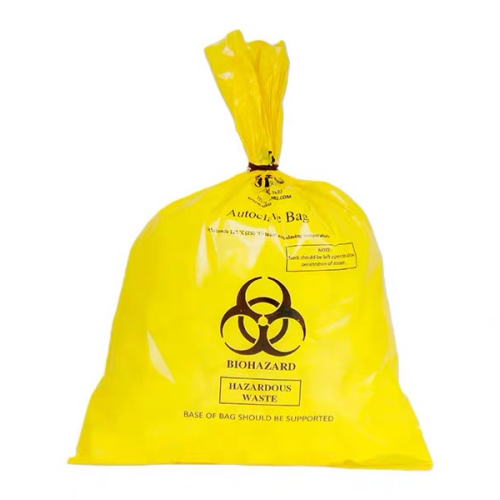
Biomedical waste bags are the workhorses of hospital sanitation. Traditionally, these are heavy-gauge plastic to load gauze, tubing, or other medical waste. Compostable bags for medical waste are engineered with reinforced biopolymers to meet the same puncture-resistance standards.
They’re often color-coded (red or yellow) for biohazards. If the waste is destined for incineration—which is common for biohazards—compostable bags burn cleaner than traditional polyethylene, releasing fewer toxic fumes.
Specimen Zip-Lock Bags
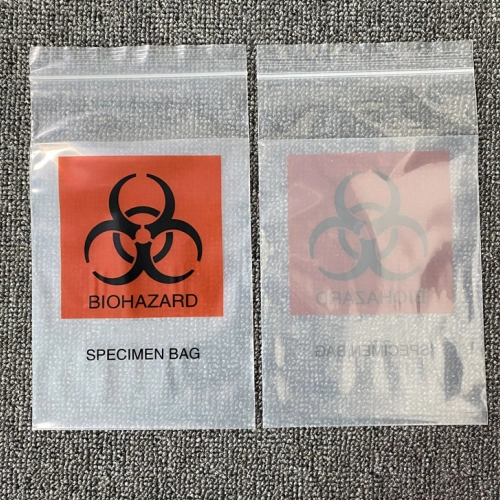
Compostable specimens bags come with secure, airtight zip-lock seals. These aren’t your average sandwich bags. They typically feature a dual-pouch system: one reliable pocket for the specimen container and a separate outer pocket for the paperwork.
Why go compostable here? Because millions of these are used daily in pathology labs. Switching to compostable plastic bags for specimens reduces the volume of plastic waste generated by a facility.
Pill Storage & Pharmacy Bags
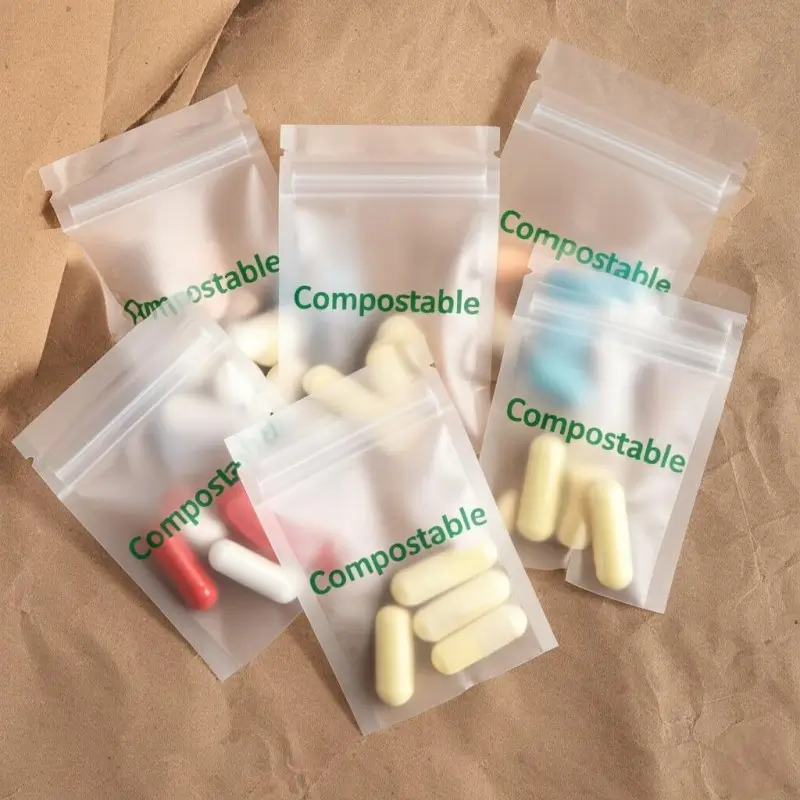
Walk into any pharmacy, and we can see thousands of tiny plastic bags. These are essential for organizing doses, storing loose pills, or handing over small prescriptions.
Compostable pill storage bags are designed to be crystal clear, allowing pharmacists and patients to easily identify medications. Plus, they often feature a “write-on” white block panel. You can use a standard ballpoint pen to jot down dosage instructions without the ink smudging.

Patient Carrier Bags
Whether it’s a hospital pharmacy or a private clinic, how the patient carries their items home matters.
- A. T-Shirt Carrier Bags for Medicine Pick-Up
Compostable bags for medical pick-up windows are designed with the “T-shirt” style handles for easy carrying. They’re strong, flexible, and perfect for bulkier items like boxes of medication or saline bottles. They literally help carry the message: “We care about your health and the planet.”
- B. Die-Cut Handle Bags for Documents & X-Rays
Let’s imagine a patient is leaving with a large envelope containing MRI results, X-ray films, or a stack of medical reports. A crinkly T-shirt bag just doesn’t feel right.
Die-cut handle bags are flat, professional, and sturdy. They are sized specifically to hold A4 documents or large X-ray envelopes without bending them. Using these sustainable bags for medical applications adds a touch of class and responsibility to the patient’s final impression.
Disposable Urine Bags
Urine collection bags are single-use by nature. Once used, they are disposed of immediately.
By manufacturing them from compostable films, we offer a solution that aligns with waste diversion strategies. These bags need to be absolutely impermeable to liquids and durable. The bioplastics used here are hydro-resistant for the duration of use but are designed to break down during the waste processing phase.
X-Ray Cassette Covers
To prevent cross-contamination, technicians use disposable covers on X-ray plates. Our compostable bags act as a hygienic barrier, slipping over the cassette to prevent direct contact with the patient’s skin. After the X-ray is taken, the cover is tossed. Switching to a compostable option here can prevent millions of plastic sheets from entering the waste stream every single year.
Patient Belonging Bags
When a patient is admitted, their clothes, watch, and personal items are often stored in a bag. This “Patient Belonging Bag” is one of the last things they interact with upon discharge. Handing a patient their recovered health and their belongings in a biodegradable packaging bag sends a subtle but powerful message about your hospital’s values. It’s a full-circle moment that reinforces care for the individual and the community.
Benefits of Using Compostable Bags for the Medical Industry
We’ve covered the what, now let’s look at the why. Why should a budget-conscious hospital board approve the switch to sustainable medical packaging bags?
Reduction of Toxic Incineration Byproducts
Medical waste is often incinerated to kill pathogens. When you burn traditional PVC or polyethylene plastics, they can release dioxins and furans—nasty, toxic chemicals that are bad for air quality and public health.
However, compostable plastic bags are typically made from plant starches (like PLA or PBAT). When these burn, they don’t release those same toxic chlorine-based compounds. For waste that must be burned, this is a significantly safer and cleaner alternative.
Regulatory Compliance
Bans on single-use plastics are popping up in Europe, parts of the US, and across Asia.
By adopting compostable plastic bags now, medical facilities future-proof their supply chain. Seriously, you don’t want to be stuck with a warehouse full of illegal plastic bags when a new law drops, do you? It’s a smart, proactive risk mitigation strategy.
Enhanced Patient Safety
Traditional palstics often contain plasticizers, phthalates, and BPAs to make them flexible. For years, there has been concern about these medicals leaching out, especially in a sensitive medical environment.
High-quality compostable medical packaging bags are generally free from these harsh endocrine disruptors. They are made from bio-based materials that are inherently safer, providing peace of mind for both you and your patients.
Boost your CSR and Public Image
Using compostable bags for medical purposes is a highly visible commitment to sustainability. It’s a talking point in the annual report and a morale booster for staff who hate seeing so much waste generated on their shifts.
Waste Diversion for Non-Hazardous Streams
If your facility has access to an industrial composting partner, these non-contaminated compostable bags can be diverted from the landfill entirely. With landfill taxes consistently on the rise, this diversion can actually lower your overall waste management costs. You’re not just saving the planet; you’re potentially saving your budget, too.
Conclusion: A Healthier Choice for Patients and the Planet

We can keep piling up plastic mountains because “that’s the way it’s always been done,” or we can innovate. Compostable bags for medical applications offer a pragmatic, powerful, and proven solution that doesn’t ask you to compromise on safety, strength, or utility.
From the heavy-duty biohazard bag to the delicate specimen pouch, every purpose can be covered responsibly. This isn’t a niche product anymore; it’s a reliable, affordable, and more ecological choice for forward-thinking hospitals, clinics, and healthcare institutions.
Let’s make healthcare a little healthier for the planet, one bag at a time.
Frequently Asked Questions
Q: Are compostable bags for medical waste as strong as regular plastic bags?
A: Absolutely. Modern bioplastics are engineered to meet specific tear and puncture resistance standards, making them suitable for heavy medical waste.
Q: Can compostable bags be incinerated?
A: Yes. In fact, they are often preferred for incineration because they do not release toxic chlorine-based fumes like traditional PVC or heavy plastics.
Q: Can compostable bags be used for infectious or hazardous waste?
A: This is a critical question and one you must address with your local waste management authority and adhere to strict regulations. The bag itself may be capable, but the classification of the waste inside dictates its disposal pathway. Always follow your facility’s infection control protocols and local laws.
Q: What is the shelf life of compostable medical bags?
A: If stored in a cool, dry place away from direct sunlight, they have a shelf life of 12-18 months.
Q: Are these bags waterproof and leak-proof?
A: Yes, they are water-resistant and leak-proof for the duration of their intended use. You can have full confidence that they will contain moisture and prevent contamination without risk of failure, just like traditional plastic bags.