
Introduction
Food waste is a global epidemic. A significant portion of the food we produce never even makes it to our plates. Fresh produce is a major culprit, often spoiling before we have a chance to enjoy it. This isn’t just a blow to our wallets; it’s a massive strain on our planet’s resources.
Then there’s the plastic problem. Single-use plastic bags, including the ones we use for our fruits and veggies, are a notorious symbol of our throwaway culture. According to the Environmental Protection Agency, over 380 billion plastic bags, sacks, and wraps are consumed in the U.S. each year. These bags, derived from non-renewable fossil fuels, litter our landscapes, choke our waterways, and harm wildlife. They can take hundreds, if not a thousand, years to degrade, and even then, they break down into harmful microplastics that contaminate our soil and water.
It’s a grim picture, but it’s not without hope. A growing awareness of these issues is fueling a demand for sustainable alternatives. And that’s where compostable produce bags come in. These innovative bags offer a practical and powerful way to extend the life of your produce while cutting down on plastic waste. They are a testament to the idea that small changes in our daily habits can add up to a significant positive impact.
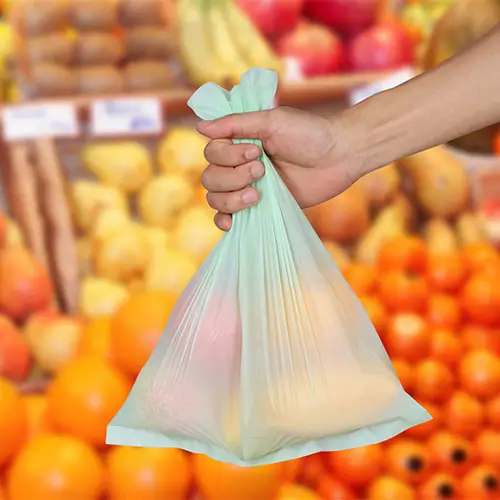
What are Compostable Produce Bags?
So, what exactly are these game-changing bags? At first glance, they might look and feel a lot like their conventional plastic counterparts. But the real magic lies in what they’re made of.
From Plants, Not Petroleum
Unlike traditional plastic bags, which are made from petroleum, compostable bags are typically derived from plant-based materials, like cornstarch, potato starch, sugarcane, or other renewable resources. This means their production has a lower carbon footprint and reduces our reliance on finite fossil fuels. These bags are designed to break down into organic matter in a composting environment, leaving no toxic residue behind.
The “Breathable” Difference
One of the key features that sets compostable produce bags apart is their “breathability.” This eco-friendly material allows the produce inside to breathe, which is crucial for extending its storage life and keeping fruits and vegetables fresher for longer.
We’ll delve deeper into the science behind this in a bit, but for now, just know that this seemingly simple characteristic has a profound impact on the quality and longevity of your produce.
How Compostable Fruit & Vegetable Bags Extend Freshness?
The unique properties of compostable materials create an optimal environment for your fruits and vegetables. slowing down the natural process of decay.
The Goldilocks Principle: Just the Right Amount of Moisture and Oxygen
Fresh produce, like all living things, needs to breathe. This process, known as respiration, involves taking in essentially airtight, trapping this moisture and ethylene gas. This creates a humid, oxygen-deprived environment where produce can quickly become slimy and rot.
Compostable bags, on the other hand, are semi-permeable. They allow excess moisture and ethylene gas to escape while still retaining enough moisture to prevent your produce from dehydrating. It’s the “Goldilocks” principle in action – not too much, not too little, but just the right amount of moisture and airflow.
Breathability: The Secret Weapon Against Spoilage
This “breathable” nature of compostable bags is their secret weapon against premature spoilage. By allowing for a balanced exchange of gases, they prevent the buildup of conditions that encourage the growth of mold and bacteria. This helps to maintain the crispness of your greens, the firmness of your berries, and the overall quality of your produce for a longer period.
A Quantifiable Boost in Shelf Life
The benefits of compostable produce bags aren’t just anecdotal. Studies have shown that they can significantly extend the shelf life (usually 5-7 days) of various fruits and vegetables.
For instance, research has demonstrated that biodegradable packaging can extend the shelf life of raspberries by over six days and strawberries by an additional two days compared to traditional plastic packaging. Other studies have shown that micro-perforated compostable packaging can preserve bell peppers for up to 21 days and extend the shelf life of bananas by four days compared to being left in the open. This means less food waste and more time to enjoy the fresh, healthy produce you’ve purchased.
Why Compostable Produce Bags Help Cut Waste?
While keeping your produce fresh is a fantastic benefit, the positive impact of compostable bags extends far beyond your refrigerator. By making the switch, you’re also taking a remarkable step towards reducing your environmental footprint.
Compostable vs. Conventional Plastic
The difference between a compostable bag and a conventional plastic bag becomes most apparent at the end of their useful life. A regular plastic bag, once discarded, embarks on a centuries-long journey of environmental harm. A compostable bag, on the other hand, is designed to return to the earth.
The “Down-to-Earth” Decomposition of Compostable Bags
In a proper composting environment, compostable bags break down into water, carbon dioxide, and nutrient-rich organic matter known as compost. This process is facilitated by microorganisms, such as bacteria and fungi, that consume the plant-based materials. Most importantly, the resulting compost can then be used to enrich soil, promoting healthier plant growth and reducing the need for chemical fertilizers. This creates a closed-loop system where waste is transformed into a valuable resource.
The Lingering Legacy of Plastic
Conventional plastic bags, in stark contrast, are a major contributor to landfill waste. In a landfill, deprived of the oxygen and sunlight needed for proper decomposition, plastic bags can persist for hundreds of years. As they slowly break down, they can release toxic substances into the soil and groundwater. Furthermore, the accumulation of plastic in landfills can contribute to the emission of methane, a potent greenhouse gas.
Make the Switch: A Smart Move for Sustainable Businesses

Businesses in the food and grocery industry have a significant opportunity to make a positive impact by adopting these sustainable alternatives.
As we know, consumers are more environmentally conscious than ever before. They are actively seeking out businesses that share their values and are taking steps to reduce their environmental impact. By offering compostable produce bags, businesses can demonstrate their commitment to sustainability, which can enhance their brand image and attract and retain eco-conscious customers.
Adopting sustainable practices is not just good for the planet; it’s also good for business. In addition to improving brand image, switching to compostable bags can help businesses comply with the growing number of regulations aimed at reducing single-use plastics. While there may be a slightly higher upfront cost for compostable bags, the long-term benefits of enhanced customer loyalty and a positive brand reputation can far outweigh this initial investment.
Conclusion
The journey towards a more sustainable future can sometimes feel daunting, filled with complex challenges and overwhelming choices. But the beauty of compostable produce bags lies in their simplicity. It’s a small, tangible change that each of us can make in our daily lives, and it’s a change that has a powerful ripple effect.
By choosing compostable, you’re not just choosing a bag; you’re choosing to keep your food fresher for longer, to reduce the amount of food that goes to waste, and to say no to the pervasive problem of plastic pollution. You’re choosing to support a circular economy where resources are valued and waste is minimized. So next time reach for a compostable produce bag for your business. It’s a simple act with the power to create a world of difference.