
Have you ever seen images of plastic waste choking our oceans and landscapes? It’s a stark reminder of the impact we have on the planet. Plastic bags contribute significantly to this “white pollution,” impacting ecosystems and the survival of countless creatures. Among those contributors, plastic produce bags are a source of the problem.
But what if there was a better way? What if you could offer your customers a sustainable choice that aligns with their values and benefits your business?
Compostable produce bags are becoming the answer for forward-thinking businesses. They’re designed to transform landfill waste into valuable resources, offering a responsible alternative that helps you and your customers make a difference.
This article will provide a comprehensive overview of compostable produce bags, exploring their benefits, materials, certifications, and how you can seamlessly integrate them into your operations.
What are Compostable Produce Bags?
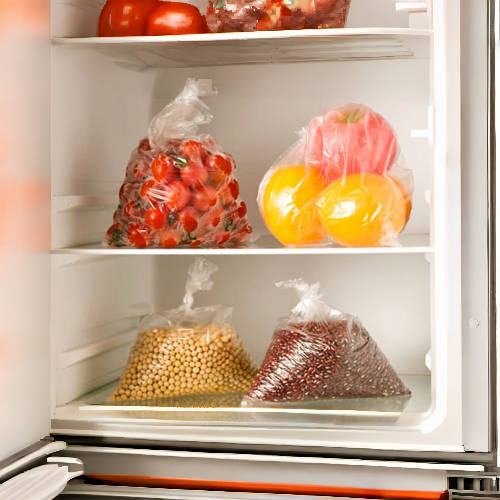
Compostable produce bags are designed to decompose into water, carbon dioxide, biomass and humus under composting conditions. Microorganisms “eat” the bag’s materials, turning them into microplastics and eventually into organic matters that enriches the soil and promotes plant growth. They offer the same dependable performance and strength as traditional plastic produce bags, providing a sustainable packaging solution for your supermarkets, grocery stores and farmers’ markets.
Think of them as a way to close the loop: packaging that gives back to the earth instead of just taking up space.
What are Compostable Produce Bags Made of?
Compostable produce bags are crafted from biodegradable plastic polymers derived from renewable resources. Some common materials include:
- PLA (Polylactic Acid)
- PBAT (Polybutylene Adipate Terephthalate)
- Corn Starch
Generally, compostable produce bags are made from a blend of PLA and PBAT, combing the strengths of each material to create a bag that’s both strong and effectively biodegradable.
At Longxin, we utilize biodegradable resins composed of PLA and PBAT to manufacture compostable produce bags, reaffirming our commitment to a sustainable economy.
Certifications of Compostable Bags
With so many “eco-friendly” claims out there, it’s essential to look for verifiable certifications. These certifications ensure that the biodegradable produce bags you’re using actually break down in a timely manner and meet established composting standards:
- ASTM D6400 (BPI): Industrial compostable standard certified by the Biodegradable Products Institute (BPI) in North America.
- EN 13432(EU): Industrially compostable certification verified by Din CERTCO according to the EN 13432 standard.
- OK compost (TUV): Certified as commercially compostable by TUV according to OK compost standard.
- AS 4736 (Australia): ABA verifies the bags comply with the AS 4736 industrial composting standard in Australia.
Look for these certifications on the bags or packaging. If you don’t see them, don’t hesitate to ask your supplier for the certificate files to confirm the bag’s compostability.
Benefits of Using Compostable Produce Bags
Making the switch to eco-friendly produce bags isn’t just good for the planet; it’s good for your business.
Environmental Benefits
- Reduce Plastic Waste: Due to their biodegradability nature, compostable bags transform waste into natural resources, diverting it from landfills and reducing pollution.
- Lower Carbon Footprint: By using sustainable produce bags, we can reduce carbon emissions and lower our carbon footprint.
- Conservation of Resources: Compostable plastic bags are derived from plant-based materials, diminishing our reliance on fossil fuels and supporting resource conservation.
Practical Benefits
- Strong and Durable: Engineered with robust materials, these bags are strong enough to withstand tearing and puncturing, ensuring the safe transport of your customers’ purchases. They are a durable food storage supply for your supermarkets or farmers’ markets.
- Breathable: With the breathable property, these fruit and vegetable bags are suitable for storing fresh produce and keeping fruits and vegetables fresher for longer.

Business Benefits
- Enhance Brand Image: Switching to biodegradable produce bags powerfully demonstrates your commitment to sustainability and social responsibility, elevating your brand image and presenting your value to customers.
- Appeal to Eco-Conscious Customers: More and more consumers are actively seeking out businesses that prioritize sustainability. Offering eco-friendly produce bags attracts these eco-conscious shoppers and builds a loyal customer base.
- Compliance with Regulations: As plastic bag bans become more prevalent, compostable produce bags offer a compliant alternative. For example, the California’s law(SB 270) prohibits the use of disposable plastic shopping bags in certain retailers. As the plastic bags bans are increasing promulgated, compostable bags become an alternative that compliance with regulations.
Types of Compostable Produce Bags

- Roll bags: The standard type for grocery stores or supermarkets. They are packed on a roll core, compact and easy to place on the shelf. Typically designed with break-point line, these bags are convenient to tear off.
- Gusseted bags: Gusseted bags feature a wider base for larger items. For watermelons and tomatoes, compostable gusseted bags provide extended space to load and carry.
- Perforated vs. non-perforated: Perforated produce bags are designed to easily separate a bag from the roll. But non-perforated ones are not convenient to take for packaging goods.
How to Choose the Right Compostable Produce Bags?
Certifications
As mentioned earlier, always prioritize bags with reputable certifications (ASTM D6400, EN 13432, etc.) to guarantee their compostability. Also, check for FDA-approval for the food safety.
Intended Use
Determine the specific needs of your business. For smaller items or cut produce, smaller bags are suitable. For larger items, opt for larger sizes or T-shirt style bags.
Thickness and Durability
The thickness of the bag impacts its durability. Thinner bags are suitable for lightweight items, while thicker bags are necessary for heavier produce.
Size
Choose a size that adequately accommodates the range of produce you offer. Consider customizing the width, length, handle size, and gusset dimensions to perfectly fit your needs. Don’t forget to add a small amount of extra space for your items.
How to Use Compostable Produce Bags Effectively?
Even the best compostable produce bags require proper handling to maximize their lifespan and ensure effective composting.
Proper Storage
Store bags in a cool and dry place, away from direct sunlignt and moisture. Avoiding moisture helps prevent condensation and premature degradation.
Proper Disposal: Home and Commercial Composting
Educate your customers on how to properly dispose of the bags through either:
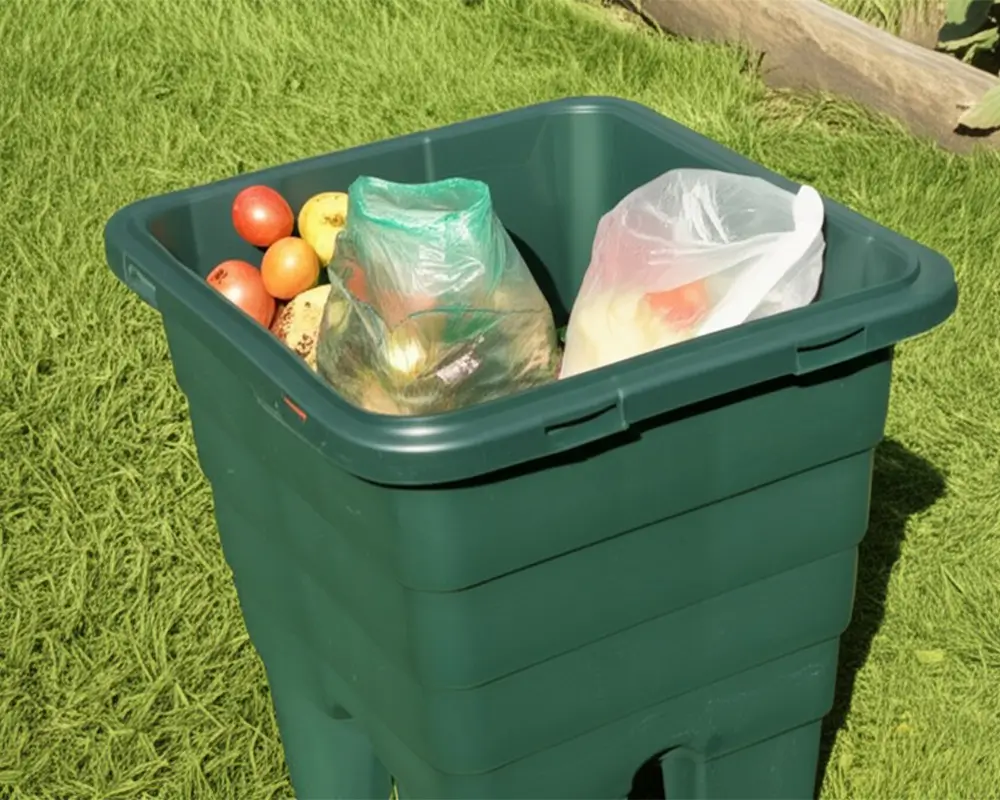
- Home Composting: Bags can be placed in backyard compost bins or piles, where they will break down alongside food scraps.
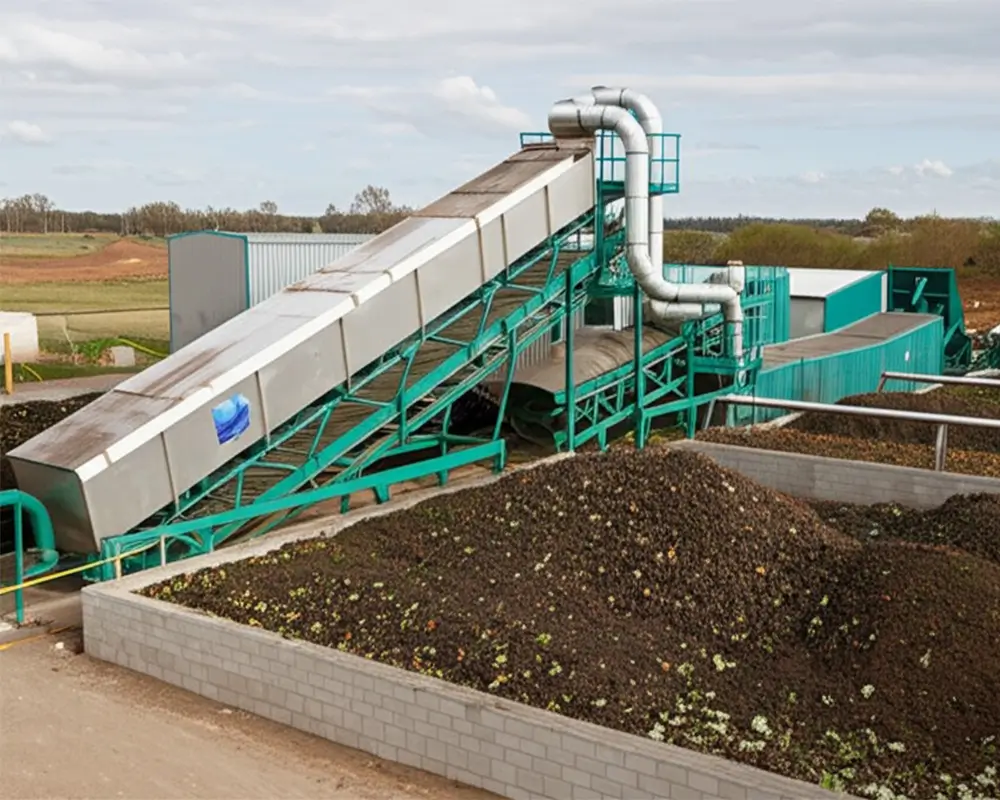
- Commercial Composting: Bags and other organic waste are sent to commercial composting facilities, where controlled conditions (high temperature, adequate moisture, and sufficient oxygen) accelerate the composting process.
Conclusion
Using compostable produce bags is more than just a trend; it’s a responsible and strategic business decision. They offer a sustainable alternative to traditional plastic, providing practical benefits, environmental advantages, and a boost to your brand image. From breathable performance that keeps food fresh to enhanced durability and compostability, these bags are perfectly suited for supermarkets, farmers’ markets, and grocery stores.
Ready to make the switch to this sustainable and impactful option? Contact us today to learn more and discover how we can help you integrate compostable produce bags into your operations.