
With a growing demand for sustainable plastic bags, understanding how to properly identify truly biodegradable plastic bags is crucial. This guide provides a detailed outline to help you make informed choices.
What are Biodegradable Plastic Bags?
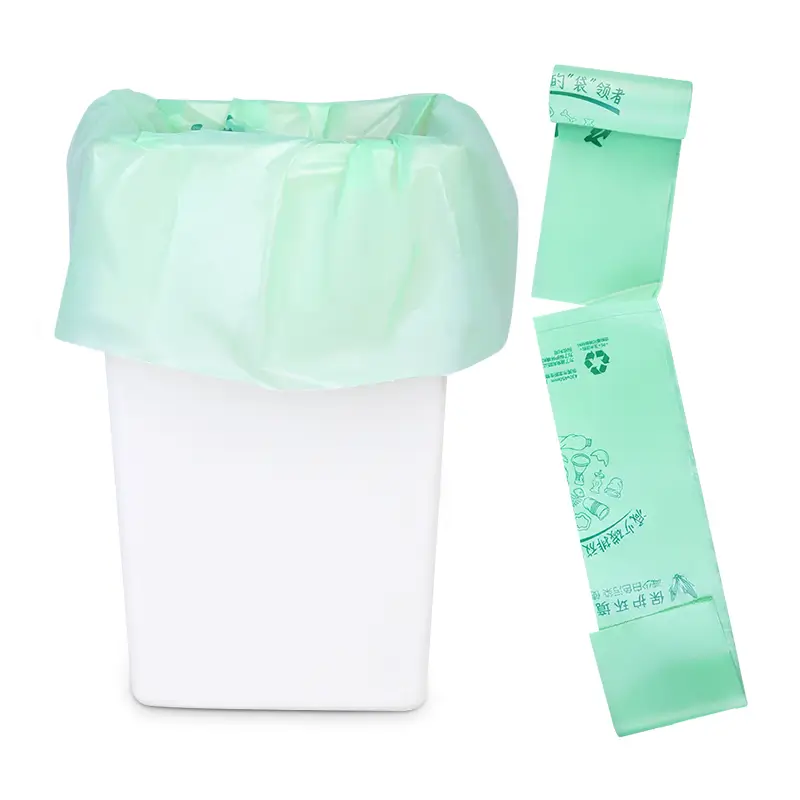
Biodegradable plastic bags can be broken down by microorganisms like bacteria and fungi over time. Under the natural conditions, the bags decompose into natural elements such as water, carbon dioxide and biomass. However, the term “biodegradable” is not highly regulated, and sometimes the process can take many years, potentially leaving behind harmful residues.
Compostable bags, a subset of biodegradable bags, are made from plant-based materials. They break down into natural and non-toxic residues in a composting environment. To be classified as compostable, these bags must meet specific standards for the rate of decomposition, typically within 90 days in a commerical composting facility.
In your search for eco-friendly options, you’ve probably heard about degradable and oxo-degradable bags. These are conventional plastic bags with additives that cause them to break down into smaller plastic fragments when exposed to sunlight and heat. These smaller fragments, known as microplastics, can be harmful to the environment. It is important to avoid bags labeled as “degradable” or “oxo-degradable” if you are looking truly eco-friendly or sustainable options.
Key Certifications to Look for in Biodegradable Bags
The most reliable way to identify genuine biodegradable and compostable bags is to look for third-party certifications. These certifications ensure that the products have been tested and meet industry’s standards.
BPI(Biodegradable Products Institute)
This is one of the most authoritative North American certifications for compostable products. The BPI logos indicates that the bag has been tested and verified to meet ASTM D6400 standard for commercial compostability.
TÜV AUSTRIA (OK compost)
This European certification body offers several key labels:
- OK compost INDUSTRIAL: This mark indicates that the bag is in line with the industrial composting standard.
- OK compost HOME: Certifies that the bag can break down in a home composting bin or pile.
- OK biodegradable SOIL: This certification is primarily for agricultural applications and ensures the product will degrade in soil.
Seedling Logo
This logo, widely used in Europe, also indicates that a product is certified for industrial compostability according to EN 13432.
Australian Standards (AS 4736 & AS 5810)
In Australia, look for these certifications: AS 4736 for commercial composting and AS 5810 for home composting.
When purchasing, always look for these logos and be wary of vague claims like “eco-friendly” or “green” without proper certification. If your products will be sold in a specific market, such as in Australia, you just need to look for the AS 4736 or AS 5810 marks printed on the bags. If the product is facing the global market, print as many certification marks as possible to gain consumer trust.
| Certification Label | Meaning | Country or Region |
|---|---|---|
 | ASTM D6400 standard for commercial compostability. | North America |
 | OK compost INDUSTRIAL: industrial composting | Europe |
 | OK compost HOME: home composting | Europe |
 | AS 4736 standard: commercial composting | Australia |
 | AS 5810 standard: home composting | Australia |
Materials Used in the Production of Biodegradable Bags
If a bag does not have a clear labeling or information, it’s best to research the brand or contact the manufacturer for material composition.
Understanding the raw materials is key to evaluating the authenticity and environmental profile of biodegradable plastic bags.
PLA (Polylactic Acid)
Typically made from the fermented sugars of corn starch. It is rigid, clear and has a glossy feel. So it often used for rigid packaging, but can be blended or used as a film for shopping bags and produce bags.
PBAT (Polybutylene Adipate Terephthalate)
A flexible, durable, and rubbery polymer that is fully compostable. It is almost always used as a blending component because it provides the toughness and flexibility that bio-based polymers like PLA often lack.
PHA (Polyhydroxyalkanoate)
PHA is produced directly by microorganisms that consume plant sugars. It is considered one of the most promising materials because it is both bio-based and marine biodegradable.
Starch-Based Materials
These are often extracted from potatoes, corn, or wheat. Pure starch is too brittle and water-sensitive to use alone, so it is often blended with other biodegradable polyesters (like PBAT or PLA) to create a flexible and durable film. The high starch content makes these bags feel less “plasticky” and more matte.
These materials are commonly used for compostable trash bags, dog waste bags and retail shopping bags.
Blend Materials
Very few biodegradable plastic bags on the market are made from a single polymer. Manufacturers almost always blend materials to achieve the right balance of strength, flexibility, clarity, and cost.
Example Blend: A typical certified compostable shopping bag might be made from a blend of PLA (for rigidity) + PBAT (for flexibility) + Starch (to reduce cost and add compostability).
Other Methods to Identify the Genuine Biodegradable Bags
While certifications are the most definitive indicator, there are some physical clues that can help you distinguish the truly biodegradable bags.
- Touch Feel and Look: Biodegradable and compostable bags often have a softer, silkier or slightly “soggy” feel compared to the more rigid texture of traditional ones.
- Sound: They are often less “crinkly” or loud than HDPE or LDPE plastic bags.
- Smell: Plant-based biodegradable bags are usually odorless or have a faint, natural grain-like scent.
- Burning Nature: Besides, a burn test can offer proof. Traditional bags tend to burn with thick, black smoke and a strong, unpleasant smell, leaving behind a hard residue. However, biodegradable bags burn more cleanly with less smoke and a more natural, paper-like smell. This method should be approached with extreme caution and is not a substitute for certification.
Conclusion
In the face of greenwashing products existing in the market, it is crucial to learn to correctly identify biodegradable and compostable plastic bags. By understanding these key identifiers—certifications, terminology, and physical characteristics—both individual consumers and business buyers can select the genuine biodegradable products.