
Speed meets sustainability—finally without compromise. Compostable wicket bags deliver the kind of packaging performance that high-volume operations dream of: rapid one-handed dispensing, effortless tear-off perforation, and seamless compatibility with automated lines.
And they do it all while breaking down into nutrient-rich compost instead of lingering in landfills. Add in a smaller carbon footprint and a powerful boost to your brand’s eco-story, and it’s clear why these bags aren’t just a responsible choice—they’re a smart operational upgrade. Here’s a closer look at what makes compostable wicket bags work so well, who’s using them, and the full scope of benefits they bring.
What are Compostable Wicket Bags?
Compostable wicket bags are an advanced packaging solution that merges high-speed usability with planet-friendly materials. Their unique construction and bioplastic composition set them apart from conventional plastic bags.
Design
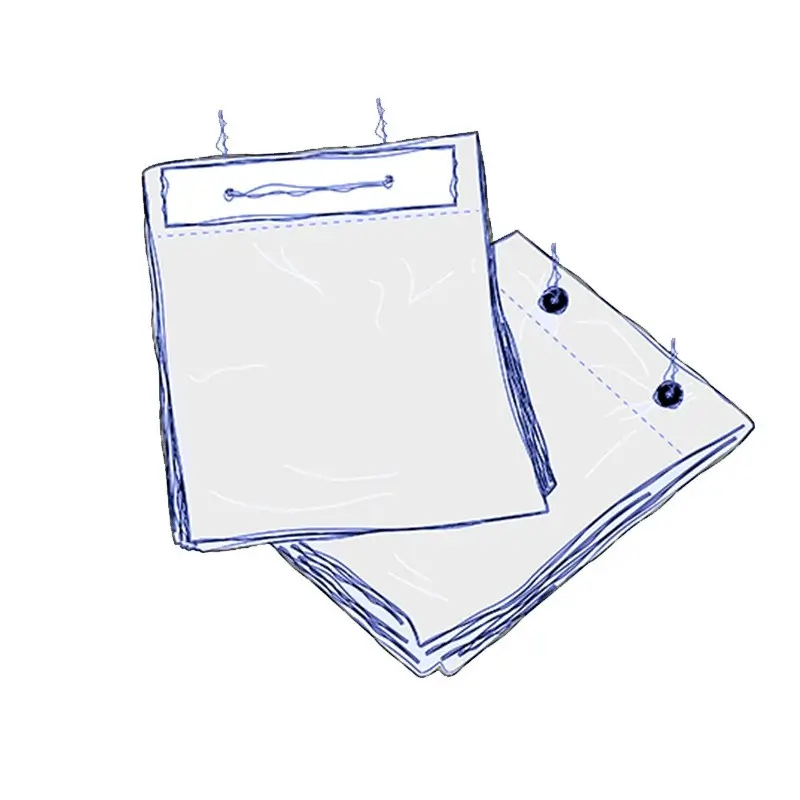
These bags are pre-stacked on a metal or plastic wire (the “wicket”). This configuration allows for rapid, one-handed dispensing, so these bags are also easy to load onto automated or semi-automated packaging machinery. Plus, they are usually perforated, so once you fill and seal one, you just tear it away and grab the next one. The wicketed design minimizes downtime, helping packers maintain a steady, uninterrupted workflow even during peak demand.
Materials
Compostable wicket bags are made from bioplastics like PLA, and PBAT. They are designed to actually break down into nutrient-rich compost in appropriate composting facilities, leaving behind no harmful residues. In essence, it’s like turning your packaging bags into plant food instead of landfill fodder.
To ensure authentic compostability, these bags often meet stringent international standards such as EN 13432 or ASTM D6400, which guarantees they fully disintegrate and biodegrade in an industrial composting environment.
Industries that Use Compostable Wicket Bags
These bags are widely used across several industries that require fast, clean, and organized packaging.
Produce
Fresh fruits and vegetables, from leafy greens to apples and herbs, are frequently packed in wicket bags. The perforated tear-off style allows grocery retailers and packing houses to work quickly while providing a breathable, non-toxic enclosure that aligns with organic and eco-conscious branding.
Bakery
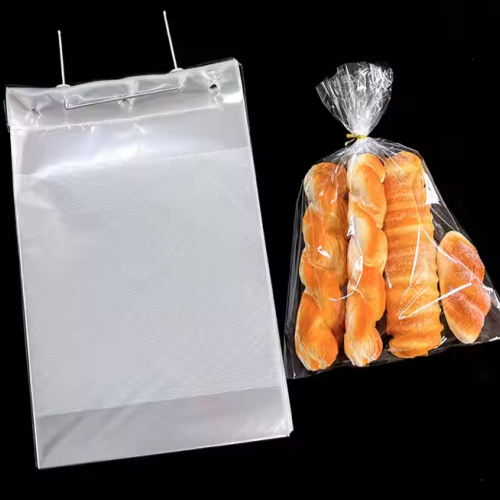
Bread, rolls, pastries, and cakes benefit from the clear, crisp presentation these bags offer. Bakery staff can rapidly open, fill and separate each bag without fumbling, keeping pace during morning rushes.
Food Service
Deli items, meat, and frozen foods are increasingly packaged in wicket poly bags. The strong, flexible bioplastic film stands up to cold temperatures and moisture, protecting product freshness while supporting the food service industry’s shift toward circular packaging practices.
Other
Textiles, medical supplies, and retail goods also make use of compostable wicket bags. Whether protecting garments from dust, organizing medical kits, or packaging small retail accessories, the quick-load wicket design speeds up manual packing operations and offers a green alternative to single-use poly bags.
Key Benefits of Compostable Bags with Wicket
Adopting compostable wicket bags goes beyond simply replacing material. It delivers measurable advantages in productivity, environmental impact, and market positioning.
Speeding Up Your Packaging Line
The quick dispensing wicketed design is ideal for high-volume operations, such as food processing, bakeries, and produce packaging. You can enhance the speed of the handling process—operators simply pull one bag open, fill it, and tear it off in a fluid motion. This can increase pack cycles per minute compared to loose bags.
Waste Reduction
Unlike traditional plastics that persist for centuries, compostable bags reduce landfill waste by breaking down naturally under the right composting conditions. By switching to compostable wicket bags, companies divert packaging away from incineration and overcrowded landfills.
Soil Enrichment
Since they break down naturally, they can actually contribute to soil health. As the bags decompose, they yield compost that can be used to nurture new plant growth, effectively closing the loop and returning valuable organic matter to the earth.
Lower Carbon Footprint
Because these bags are often made from renewable resources, their production process typically results in fewer greenhouse gas emissions compared to conventional plastic packaging. This helps companies reduce the overall carbon impact of their supply chain and meet science-based climate goals.
Brand Value
Customers know what’s going on with the environment, and they are voting with their wallets. When your business switches to compostable wicket bags, you’re doing more than just picking a bag—you’re telling your customers, “Hey, we care about the planet.” That builds real brand loyalty. It shows you’re committed to corporate social responsibility, not just the bottom line.
Displaying a compostable certification logo on your packaging tells a powerful story—one that resonates with eco-aware shoppers and can differentiate your product on crowded shelves.
Looking for a Compostable Wicket Bag Supplier? Trust Biopakwell
With over 20 years of experience, Biopakwell stands at the forefront of sustainable flexible packaging. We specialize in high-quality compostable wicket bags that meet rigorous international compostability standards while delivering the durability, clarity, and high-speed performance your operation needs.
From produce to bakery, deli to retail, our customizable wicket bag solutions can be tailored to your exact size, print, and material requirements. Contact Biopakwell team today to discover how our compostable wicket bags can elevate your packaging line.