
Choosing a compostable bag supplier is not simply about comparing prices. Buyers should evaluate certification, manufacturing capabilities, product quality, customization, MOQ, lead times, and long-term supply stability.
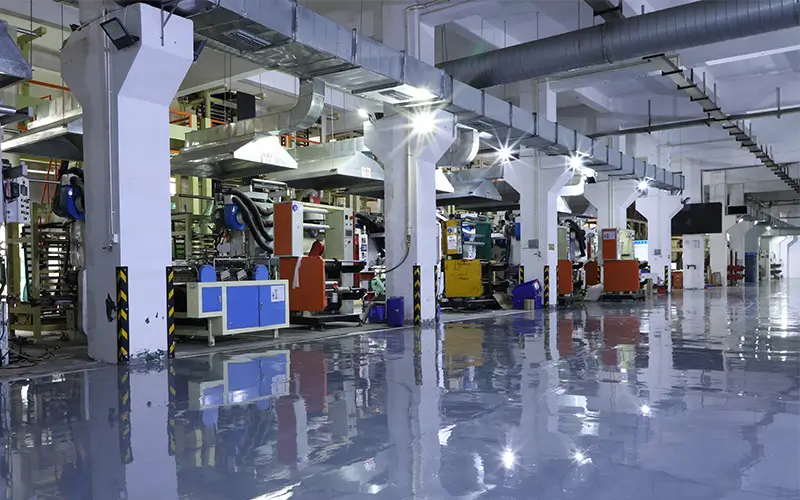
Quick Supplier Checklist
| Factor | What to Check |
|---|---|
| Certification | Valid certification for the actual product |
| Manufacturing | In-house production capabilities |
| Quality | Thickness, sealing, strength, leakage |
| Customization | Size, thickness, printing, bag type |
| MOQ | Suitable for your order volume |
| Samples | Pre-production samples available |
| Lead Time | Production and shipping schedule |
| Capacity | Ability to support repeat orders |
| Documentation | Certificates, test reports, specifications |
| Communication | Response speed and technical support |
1. Check Compostable Bag Certifications
Certifications are one of the first things to check when choosing a compostable bag supplier. They help verify that a product meets recognized compostability requirements. However, do not rely only on a certification logo or a general “compostable” claim.
Common Certifications and Standards
| Certification / Standard | Region / Use |
|---|---|
| BPI Certified (based on ASTM D6400 / D6868) | USA & Canada – industrial composting |
| EN 13432 + Seedling Logo (TÜV Austria / DIN CERTCO) | Europe – industrial composting |
| OK Compost Home | Home composting (backyard bins) |
| OK Compost Industrial | Industrial composting |
| AS 4736 | Australia – industrial composting |
| AS 5810 | Australia – home composting |
Learn more about compostable bag certifications.
How to Verify
1. Get the certificate and the certificate number
Once compostable bags are certified, they will get a unique certificate number. verify the certificate through the certification body’s official database, such as BPI’s online product catalog or TÜV Austria’s certified product search.
Do not just rely on a certification logo displayed on a supplier’s website or product packaging. A verifiable certificate provides much stronger evidence of compliance.
2. Check the validity dates
Check whether the certification is current and has not expired. Certification status can change over time, so it is worth verifying the latest information before placing a long-term or large-volume order.
3. Confirm the certification scope
A certified compostable material does not automatically mean the finished bag is certified. Check whether the certification covers the bag itself, including relevant components such as inks or additives.
Match Certification to the End Use
Choose certification based on how the bags will be composted. Industrially compostable does not automatically mean home compostable.
For commercial or municipal composting programs, verify that the product meets the relevant certification and labeling requirements. If home composting is required, look for certifications specifically covering home composting, such as OK compost HOME or AS 5810, where applicable.
2. Verify Whether the Supplier is a Manufacturer
When sourcing compostable bags, find out who actually manufactures the products. Buying directly from a manufacturer can provide better price control, more direct quality oversight, faster communication from custom orders, and stronger technical support.
What to Check
A genuine manufacturer should be able to provide clear information about its production capabilities. Look for:
- Production facility: Look for a clearly identified factory and production location.
- Manufacturing equipment: Check for in-house blown film extrusion, printing, and bag-making equipment.
- Quality control: Ask how raw materials, production batches, and finished bags are inspected and tested.
- Technical expertise: Verify that the supplier understands film structures, additives, materials, and certification requirements.
- Custom manufacturing: Make sure the factory supports changes to bag size, thickness, printing, materials, and other specifications.
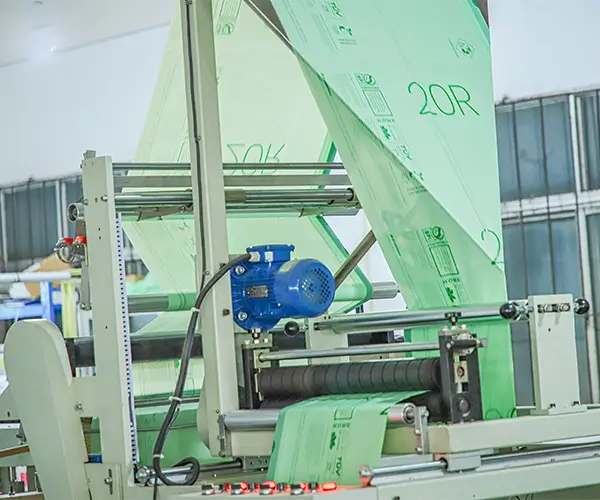
For certified compostable bags, factory transparency is essential. Changes in materials or production processes can affect product consistency and certification. Before placing a long-term order, confirm who manufactures the bags and whether they are produced.
3. Evaluate Compostable Bag Quality and Performance
Certification confirms compostability, but it does not tell you how well a bag will perform in real use. Before placing a bulk order, request samples and evaluate them based on your specific application.
Key Quality Factors to Check
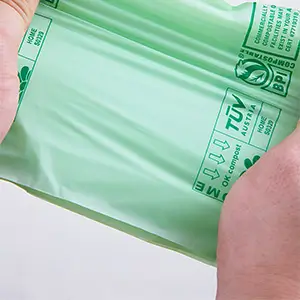
- Thickness: Check whether the actual thickness matches the supplier’s specifications and remains consistent.
- Strength and tear resistance: Test how well the bag withstands pulling, tearing, and normal handling.
- Puncture resistance: Important for trash bags, food waste bags, and applications involving sharp or heavy contents.
- Seal strength: Check whether the seals remain intact under load and prevent bag failure.
- Leak resistance: Essential for food waste and other wet applications.
- Load capacity: Test whether the bag can safely handle the typical weight and type of contents.
Test for Your Application
Performance requirements vary by application. Retail bags may need stronger handles, while food waste bags require good leak and seal resistance. Mailer bags may need higher puncture resistance and reliable sealing.
4. Check Customization Capabilities
Standard compostable bags may not fit every application. If you need specific sizes, materials, or branding, check the supplier’s customization capabilities before placing an order.
- Size and thickness: Confirm whether the supplier can produce your required dimensions and thickness.
- Bag styles: Whether they offer the bag formats you need, such as gusseted, drawstring, T-shirt, or self-sealing bags.
- Materials and formulations: Ask whether materials can be adjusted for specific strength, flexibility, sealing, or compostability needs.
- Printing: How many printing options available and whether they can meet your artwork and branding requirements.
A reliable supplier should be able to recommend suitable materials and specifications based on your application, not just provide standard products.
5. Compare MOQ, Samples, and Lead Times
Minimum Order Quantity (MOQ)
MOQs dictate how much inventory you must commit to upfront, so clarify:
- MOQ per Product Type: Resealable bags, mailers, and bin liners may each have different thresholds.
- Price Breaks by Volume Tier: Understand how unit cost decreases as quantity increases.
- Customization on MOQ: Custom printing often raises MOQs due to plate/cylinder setup costs.
If you’re testing a new product or market, look for a supplier that can support a smaller trial order.
Sample Availability
Request samples before placing a large order. Use them to check the bag’s size, thickness, strength, sealing, and overall performance. You can review our guide to tests for compostable bags to identify key tests before moving to bulk production. For custom bags, ask for a pre-production sample to confirm the final specifications and printing.
Lead Times
Confirm the lead time for samples, production, and shipping. Custom orders may take longer than standard products. A reliable supplier should provide a clear production schedule and communicate any potential delays in advance.
Compare these factors together rather than choosing a supplier based on unit price alone. A lower MOQ, reliable samples, and predictable lead times can make a difference to your total sourcing cost and delivery schedule.
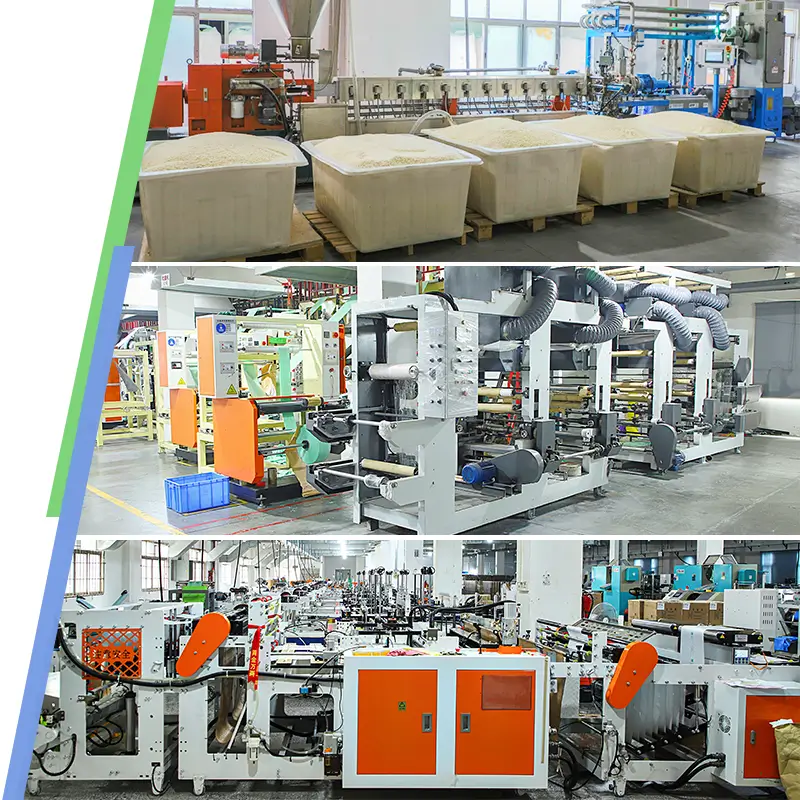
6. Evaluate Production Capacity and Supply Stability
A supplier may deliver a successful first order but still struggle with larger or recurring orders. Before choosing a long-term supplier, make sure its production capacity can support your expected order volume.
- Production capacity: Ask about monthly or annual production capacity and whether it matches your expected demand.
- Production lines: Ask the number and type of production lines and whether they can support your required products.
- Product range: Look for experience producing different bag types, such as produce bags, mailer bags, and bin liners. Specialty formats such as drawstring, star-sealed, easy-tear, or vented bags can also indicate broader manufacturing capabilities.
- Order scalability: Check whether the supplier can increase production when your order volume grows.
- Raw material supply: Confirm that the supplier has a stable supply of the materials needed for your products.
- Batch consistency: Make sure the supplier can maintain consistent bag quality across different production batches.
- Repeat-order reliability: Review the supplier’s ability to maintain consistent quality and delivery for recurring orders.
For long-term sourcing, choose a supplier that can maintain consistent production, quality, and supply as your demand changes.


7. Sustainability Beyond the Product
A compostable bag is only one part of a supplier’s sustainability performance. If sustainability is part of your sourcing requirements, also evaluate how the supplier manages its manufacturing and operations.
- Social responsibility: Memberships or audit reports such as BSCI, and Sedex SMETA demonstrate fair labor practices, safe working conditions, and no forced or child labor.
- Quality and environmental management: ISO 9001 can indicate established quality management processes, while ISO 14001 reflects a structured approach to environmental management.
- Production waste: Ask how the supplier manages and recycles production scrap without affecting product quality or compostability.
- Energy and resource use: Do they power production with solar, wind, or other low-carbon sources?
- Chemical management: Check how inks, adhesives, and cleaning agents are handled to reduce environmental risks.
8. Regulatory Compliance
Compostable bags may be subject to different packaging, labeling, and product requirements depending on the target market and application.
Before choosing a supplier, confirm that they can provide the documentation required for your market, including relevant certifications, test reports, and compliance documents. For food-contact applications, also verify that the bags meet applicable food-contact requirements.
What Information Should You Provide When Requesting a Quote?
Providing clear specifications helps suppliers prepare a more accurate quotation and reduces back-and-forth during the sourcing process.
Include the following information where applicable:
- Bag type: Produce bag, mailer bag, trash bag, etc.
- Size and thickness: Required dimensions and film thickness.
- Material requirements: Preferred material or compostability requirements.
- Quantity: Estimated order volume and, if applicable, annual demand.
- Printing: Number of colors, printing sides, and artwork requirements.
- Application: Intended use and typical contents.
- Target market: Destination country or region and relevant certification requirements.
- Packaging: Carton, roll, or other packaging requirements.
Ready to Source Compostable Bags?
Biopakwell provides compostable bag solutions for different applications, with support from material selection and product customization. We can help you evaluate suitable materials, specifications, bag formats, and certification requirements based on your application and target market.
Whether you need a standard product or a customized compostable bag, share your requirements with our team. We’ll review your specifications and provide a suitable product recommendation and quotation.
Request a Quote