
Introduction
Agriculture wrap plays a crucial role in preserving silage and forage quality. However, traditional plastic wraps create waste management challenges for farmers. As sustainability becomes a priority across the agricultural sector, biodegradable bale wrap is emerging as an eco-friendly alternative. It can reduce plastic waste while maintaining crop protection performance.
In this article, we will explore what biodegradable bale wrap is, how it benefits agriculture, and why it is a key step toward more sustainable farming practices.
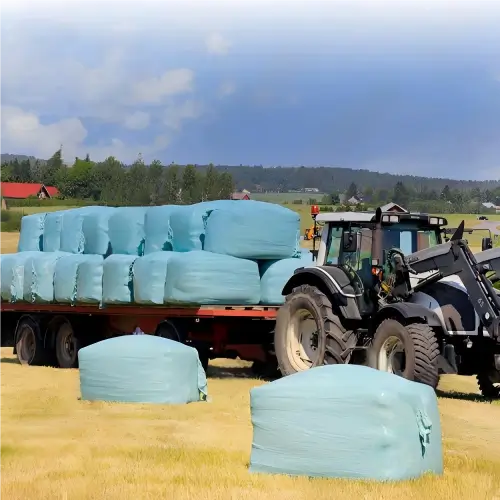
What is Biodegradable Bale Wrap?
Biodegradable bale wrap is a type of stretch film specifically designed for wrapping hay, silage, and forage bales. It performs the same functions as conventional bale wrapping film—protecting feed from oxygen, moisture, and external contamination during storage, and also offers the added benefit of biodegradability.
Unlike traditional bale wrap made from polyethylene (PE), biodegradable bale wrap is produced from biodegradable polymers that can naturally break down under suitable environmental conditions.
Common materials used in biodegradable bale wrap include:
- Polylactic Acid (PLA)
- Polybutylene Adipate Terephthalate (PBAT)
- Starch-based biopolymers
- Advanced biodegradable polymer blends
These materials offer the necessary elasticity, puncture resistance, and sealing properties required for modern bale wrapping operations. They can ensure reliable protection for crops throughout storage. Once their useful life has ended, microorganisms such as bacteria and fungi will gradually convert the material into natural substances including water, carbon dioxide, and biomass.
Biodegradable vs. Conventional Bale Wrap
When comparing biodegradable bale wrap with traditional ones, the most notable difference lies in end-of-life management.
If traditional materials are not properly collected and recycled, they may remain in the environment for decades. In contrast, biodegradable alternatives are designed to decompose under suitable conditions, reducing disposal burdens for farmers and lowering the risk of long-term environmental contamination.
While the initial cost of biodegradable products may be higher, many farmers and agricultural businesses view them as a long-term investment. By using these sustainable wrapping, they aim to promote sustainable development, comply with regulatory requirements, and protect the environment.
The Environmental Impact of Conventional Plastic Bale Wrap
For decades, conventional polyethylene (PE) bale wrap has been the industry standard for preserving silage and forage. Its excellent extension, durability, and oxygen barrier properties make it an effective solution for protecting livestock feed. However, the growing use of plastic bale wrap has also raised environmental concerns.
Increasing Agricultural Plastic Waste
Modern farming operations rely heavily on plastic products, including bale wrap, silage films, mulch films, and greenhouse covers. After use, large quantities of agricultural plastic waste must be collected, transported, recycled, or disposed of.
Unfortunately, recycling agricultural plastics is often quite difficult. Used bale wrap is often contaminated by soil, moisture, and organic residues, which makes the recycling process more complex and costly. As a result, a considerable amount of agricultural plastic ends up in landfills or waste management facilities.
Long Decomposition Time
Traditional PE bale wrap is highly durable, which is beneficial during storage. However, it becomes a problem during handling. Under natural conditions, conventional plastic films take decades or even hundreds of years to fully degrade.
When plastic waste is not properly managed, it may accumulate in agricultural environments, leading to long-term pollution and increasing the burden on the waste management system.
Risks of Soil and Environmental Contamination
Over time, improperly disposed plastic materials can break into smaller fragments. These plastic residues may remain in the environment and potentially affect soil quality, water systems, and surrounding ecosystems.
Benefits of Biodegradable Bale Wrap in Agriculture
Designed to serve as a high-performance agricultural stretch film, biodegradable bale wrap offers remarkable advantages for modern farming operations.
Reduced Plastic Waste
One of the most outstanding benefits of biodegradable bale wrap is that it can reduce plastic waste. However, traditional wrap requires collection, transportation, and disposal after use, which not only causes environmental problems but also presents operational challenges.
Biodegradable compostable alternatives are designed to decompose under suitable conditions, helping to minimize the accumulation of long-lasting plastic waste. This makes them an important tool for farms that are committed to improving sustainable practices and reducing their environmental footprint.
Supporting Sustainable Agriculture
By replacing conventional plastic wrap with biodegradable agricultural stretch film, farms can demonstrate a commitment to environmental protection and contribute to broader sustainability goals. This transition supports the development of a more circular and resource-efficient agricultural system.
Lower Waste Management Burden
Dealing with used agricultural plastics can consume a large amount of time and resources. Farmers often need to collect, clean, transport, and dispose of used wrap film, which requires additional labor and resources.
Biodegradable bale wrap can help simplify the final processing of items and reduce reliance on traditional waste disposal methods. Although disposal requirements may vary depending on local regulations, biodegradable materials can contribute to the formation of more efficient waste management strategies.
Reliable Crop Protection
Environmental benefits are indeed important, but performance is the primary consideration for farmers. Modern biodegradable bale packaging materials possess the strength, elasticity, and sealing properties necessary for effective bale wrapping.
High-quality products provide:
- Excellent extensibility
- Strong puncture resistance
- Reliable oxygen barriers
- Stable wrapping performance
- Protection against moisture intrusion
These characteristics help maintain the quality of the feed and ensure that the fermentation process can proceed smoothly throughout the storage period.
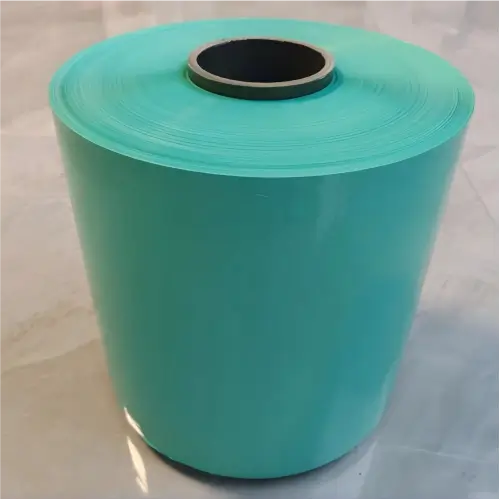
Improved Brand Image
Consumers, retailers, and food producers are paying increasing attention to sustainability throughout the agricultural supply chain. Farms that adopt eco-friendly materials may enhance their reputation and align more closely with market expectations.
For agricultural businesses striving for sustainable certifications or participating in environmental projects, biodegradable bale wrap can clearly demonstrate their commitment to responsible farming practices.
Preparing for Future Regulations
Many countries and regions are introducing strict regulations aimed at reducing plastic waste and encouraging sustainable materials. Although the specific requirements vary in different markets, the trend towards eco-friendly packaging solution is obvious.
By adopting biodegradable packaging materials, businesses can now gain a competitive edge before future regulatory changes arrive. At the same time, they also contribute to long-term environmental goals.
Further Reading: Growing Greener: How Compostable Bags Boost Your Farm’s Sustainability.
Applications of Biodegradable Bale Wrap
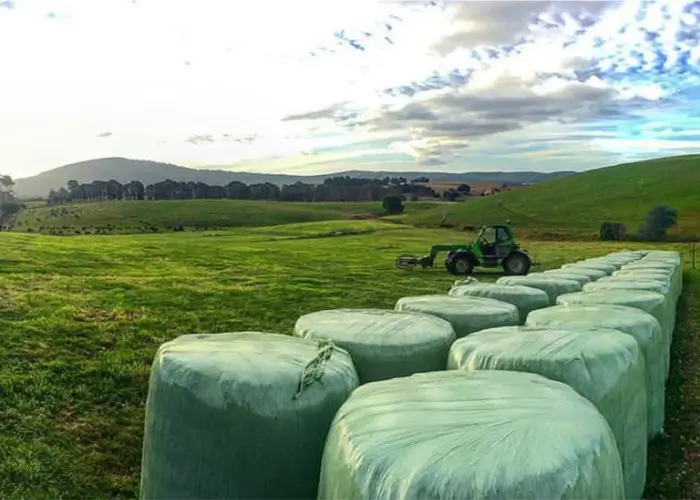
Plastic bale wrap is a versatile stretch film that can be used across a wide range of farming applications.
Silage Bale Wrapping
Bale wrap creates an airtight seal around silage bales, helping to maintain proper fermentation conditions, preserve nutrients, and protect feed quality throughout the storage period.
Hay Bale Storage
When used for hay bales, stretch wrap film provides reliable protection against moisture, dust, and other environmental factors. Therefore, it ensures secure and stable storage.
Forage Preservation
Farmers can use biodegradable bale wrap to store forage crops for extended periods. Its strong sealing performance helps minimize nutrient loss and maintain forage quality across different seasons.
Livestock Feed Protection
By reducing exposure to oxygen and moisture, bale wrap helps prevent feed spoilage and supports the long-term preservation of valuable livestock feed resources.
Overall, biodegradable bale wrap combines operational efficiency with environmental responsibility. For modern farms that aim to maintain production effectively while reducing plastic waste, it is a practical solution.
Challenges and Considerations
While biodegradable wrap offers numerous benefits, farmers should carefully evaluate several factors before making the switch. Understanding these considerations can help ensure optimal performance and long-term value.
Higher Initial Costs
Compared with conventional bale wrap, biodegradable alternatives often come with a higher initial purchase cost. However, many farms view this investment as part of a sustainable development strategy. This investment may help reduce the impact on the environment and meet future regulatory requirements.
Storage and Handling Requirements
Biodegradable materials may require proper storage conditions to maintain their performance before use. Placing the film in an environment free from excessive heat, moisture, and direct sunlight. This helps preserve its strength and wrapping efficiency.
Environmental Conditions Affect Degradation
The degradation rate of biodegradable bale film can vary depending on factors such as temperature, humidity, microbial activity, and disposal conditions. When evaluating product performance and final disposal management, it is crucial to understand the local environmental conditions.
Product Quality and Certification
Not all biodegradable films are manufactured to the same standards. Farmers should look for products that have been tested and meet the recognized standards of biodegradability and quality, so as to ensure their reliable performance in a agricultural applications.
Compatibility with Existing Operations
Before using biodegradable films, it is important to verify compatibility with the existing wrapping equipment and operational requirements. Select a product that can seamlessly integrate with current agriculture practices. So users can maximize efficiency and minimize disruptions.
The Future of Biodegradable Agriculture Films
The future of agriculture is increasingly focused on sustainability, and biodegradable agricultural films will play a key role. Advances in biodegradable polymer technology have enhanced the strength, durability, and performance of the films. So films can meet the demanding requirements of modern bale wrapping.
As environmental awareness continues to grow and regulations on plastic usage become increasingly strict, this approach is being adopted more widely. Farms are seeking solutions that balance productivity with environmental responsibility. Biodegradable bale wrap helps reduce plastic waste while maintaining feed quality, making it an alternative superior to conventional plastics.
As technology continues to evolve, biodegradable agricultural films are expected to become a standard choice in sustainable farming. They support efficient resource utilization and drive the agriculture industry towards a more eco-friendly and responsible model.
Conclusion
As a type of agricultural stretch film, biodegradable bale wrap provides the protection needed for silage, hay, and forage storage.
Although factors such as cost, storage conditions, and degradation performance need to be carefully considered, biodegradable bale wrap offers compelling environmental and operational advantages. So it is an increasingly attractive option for modern farming operations. By combining reliable crop protection with improved sustainability, it supports the transition toward more responsible and resource-efficient agriculture.