
A single horse can generate roughly 50 pounds of manure every day, making waste management a heavy, time-consuming chore.
For years, the standard routine has involved hauling loose waste in wheelbarrows or loading it into plastic garbage bags. But traditional plastic bags cause two main problems: you have to rip them open to manually dump out the heavy waste, and they leave behind single-sue plastic for the landfill.
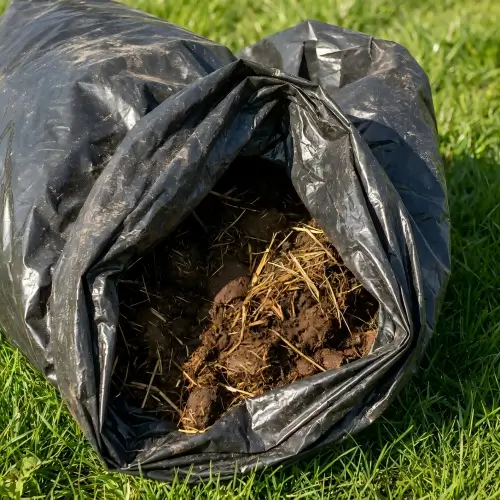
Fortunately, there is a superior solution that saves time, reduces mess, and eliminates plastic waste entirely: compostable trash bags. By using these bags, you can collect fresh waste and toss the entire bag straight into your compost pile. Here is everything you need to know about successfully composting horse manure using certified compostable bags.
Why Use Compostable Bags for Horse Manure?
You might be wondering if changing your current barn management routine is truly worth the effort. Ultimately, integrating compostable bags into your daily chores offers several massive advantages over traditional methods.
1. Eco-Friendly
Traditional plastic bags take hundreds of years to break down, contributing to the global plastic pollution crisis. On the other hand, compostable bags are made from plant-based materials. When introduced to a composting environment, they break down into organic matter right alongside the manure, leaving zero toxic residue behind.
2. Cleaner and More Hygienic
Transporting loose manure often results in spills, leaving a trail of waste from the stable to the compost bay. Furthermore, traditional hauling requires constant scrubbing of wheelbarrows, muck tubs, and truck beds. Because compostable bags perfectly contain the waste, your transport equipment stays clean.
3. Effective Odor Control
A busy stable can quickly accumulate unpleasant smells, especially in the summer. Tying off bags of fresh manure immediately locks in odors, keeping your stable or paddock area smelling fresher before the waste is finally transferred to the main compost pile.
4. Convenience
This method is a massive time-saver. When you use compostable trash bags, you get to skip the tedious step of lifting, untying, and emptying heavy bags. Just collect the waste, tie the bag, and toss the whole package into your compost bin.
Choosing the Right Compostable Trash Bags
To ensure success when composting horse manure, selecting the correct type of bag is critical.
Materials
One of the most common mistakes people make is confusing “biodegradable” with “compostable.” Biodegradable garbage bags are often just standard plastics treated with chemical additives that cause them to fracture into microplastics. Conversely, compostable trash bags are typically derived from plant starches (like corn or potato). They are designed to be consumed by the same exact microbes that break down your manure.
Look for Certifications
To guarantee that your bags will fully decompose, always look for industry-standard certifications. Ensure the packaging explicitly states that the bags comply with the OK Compost HOME or AS 5810 standard. These certifications guarantee that the material will safely disintegrate in a standard composting environment.
Strength and Size Considerations
Horse manure is heavy and naturally moist. Therefore, flimsy kitchen liners won’t survive the trip from the stall to the pile. You must invest in heavy-duty, tear-resistant compostable trash bags. Sizes ranging from 30-gallon to 55-gallon capacities work best for barn environments, depending on bucket size and how much weight you can safely lift.
🔗 Related Reading: Check out our complete guide on How to Choose the Best Compostable Trash Bags.
Step-by-Step: The Collection Process
Once you have sourced the appropriate compostable bags, it is time to implement the collection system in your barn. By following these steps, you can establish a seamless daily workflow.
Step 1: Set up the Bins
Initially, place your compostable trash bags into sturdy trash cans or muck buckets. Distribute these strategically around the stable or pasture gates to minimize the distance you have to walk with a full pitchfork.
Step 2: Scoop and Fill
Proceed to muck out the stalls and paddocks, dumping fresh manure directly into the lined bins.
Pro Tip: Keep an eye on the weight. Manure is incredibly heavy, and compostable bags are slightly more delicate than thick plastic bags. Only fill the bags halfway to prevent tears and back strain.
Step 3: Include the Bedding
When composting horse manure, achieving the right ratio of carbon to nitrogen is essential. Manure provides the nitrogen (the “green”), and stall bedding (like wood shavings, sawdust, or straw) provides the carbon. Scoop the urine-soaked bedding into the bag along with the manure to create the perfect compost recipe.
Step 4: Seal and Transport
Once the bag reaches a manageable weight, tie the top securely. You can then load the sealed bags into a cart, wheelbarrow, or tractor bucket, and transport them directly to your designated composting area.
Dropping the Bags into the Composting System
Now comes the most satisfying part of the “Bag-to-Bin” method. Integrating the bags into your existing compost pile requires minimal physical effort, but a little bit of strategy goes a long way.
Straight into the Pile
The true beauty of this system is its simplicity. When you arrive at the compost bay or bin, you do not need to empty the contents. Simply toss the entire tied bag directly onto the compost pile.
To Pierce or Not to Pierce?
While compostable biodegradable bags will break down on their own, you can speed up the process with a simple trick. After dropping the bag onto the pile, poke a few holes in it with your pitchfork. This allows oxygen, moisture, and beneficial microbes get inside to start breaking down the fresh manure.
Layering
For the best results, treat the bags as you would any other compost addition. Layer the bagged manure with extra bulk “browns” such as dry autumn leaves, old straw, or yard clippings. Additionally, lightly watering the pile between layers to help the bags absorb the moisture they need to begin melting away.
The Horse Manure Composting Process
At this stage, nature takes over. However, understanding the basic science behind composting horse manure will help you maintain an efficient system.
Horse manure naturally heats up quickly due to its high nitrogen content. As microbes break down the waste, they generate intense friction and heat. In a properly constructed pile, core temperatures can easily reach between 130℉ and 160℉. This intense heat is exactly what causes the plant-based bags to melt and disintegrate.
Turning the Pile
Like all living things, the microbes in your compost pile need oxygen to survive. Therefore, it is imperative to turn your compost pile every few weeks. Whether you use a pitchfork or a tractor loader, the act of turning the pile will naturally tear the weakened compostable bags apart, mixing their remnants seamlessly with the breaking-down manure.
How Long Does It Take?
Depending on the internal heat of your pile, the weather, and how frequently you turn it, the entire mass should transform into rich, dark dirt in approximately 3 to 6 months.
Conclusion
Managing stable waste does not have to be a backbreaking, environmentally damaging chore. By transitioning to the “Bag-to-Bin” method, you can vastly streamline your daily routine, maintain a cleaner barn, and eliminate your reliance on traditional plastic bags.
Composting horse manure using compostable trash bags is an eco-friendly approach that works in harmony with nature. Ultimately, your hard work will be rewarded with a continuous supply of nutrient-rich “black gold”, which is the perfect fertilizer for your gardens, pastures, or agriculture crops.