
Introduction
The global shift toward sustainability is no longer just a consumer trend; it has evolved into a strict regulatory mandate and a core business strategy. For brand owners and manufacturers, transitioning to eco-friendly plastic manufacturing is essential to stay competitive.
However, moving away from traditional plastics often raises concerns regarding aesthetic quality and material performance. This is where the compostable masterbatch plays a pivotal role. Whether you aim to maintain vibrant brand colors, improve mechanical properties, or adhere to international environmental standards, choosing the right compostable masterbatch is revolutionizing the way we approach sustainable packaging production.
What’s a Compostable Masterbatch?
In traditional manufacturing, a masterbatch is a solid additive used to impact color or functional properties to plastics. Historically, these have relied on fossil-fuel-based carrier resins like Polyethylene (PE) or Polypropylene (PP), which persist in the environment for centuries.
In contrast, a compostable masterbatch functions with the same efficiency but utilizes biopolymers as the carrier resin. Depending on the specific application, suppliers formulate these additives using PLA(Polylactic Acid) or PBAT (Polybutylene Adipate Terephthalate).
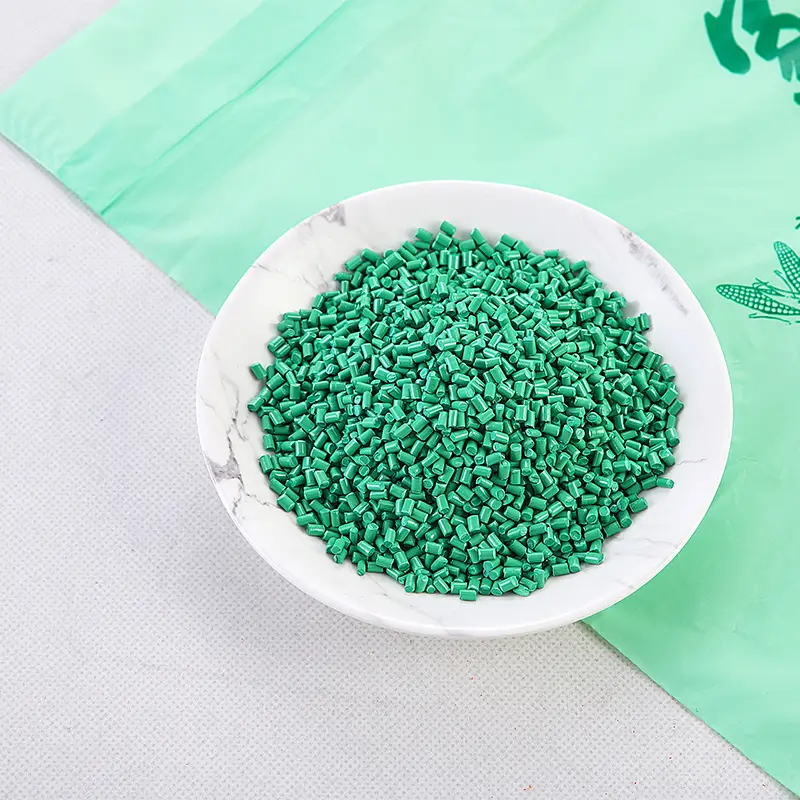
Because both the carrier resin and the pigments/additives are designed to be eco-friendly, this biodegradable masterbatch compound does not leave microplastics behind. At its end-of-life stage, under proper composting conditions, it breaks down entirely into water, carbon dioxide, and nutrient-rich biomass, completing a truly circular lifecycle.
The Role of Compostable Masterbatches in Plastics Production
Integrating sustainable materials into your supply chain does not mean compromising on quality. High-quality compostable masterbatches elevates plastic bag production in three key ways:
1. Providing Vibrant Colors & Opacity
Compostable color masterbatches allow sustainable plastic packaging to look as vibrant and appealing as traditional packaging. This ensures that brand owners can maintain their exact brand identity and shelf appeal while adhering to sustainable goals.
2. Enhancing Functional Properties
Beyond aesthetics, a functional compostable masterbatch can be formulated to improve the physical performance of biopolymers. These additives provide essential features such as:
- Anti-slip and Anti-block: Ensuring easier handling and processing of films.
- Anti-static Properties: Preventing dust accumulation on retail packaging.
- UV Resistance: Protecting both the integrity of the packaging and the shelf life of the product inside.
3. Improving Processing Efficiency
Processing biopolymers can be temperamental. However, a well-formulated compostable masterbatch helps stabilize resins during extrusion or injection molding. Consequently, this reduces material waste, prevents resin degradation, and minimizes costly machine downtime.
Applications in Plastic Packaging
The versatility of the compostable masterbatch makes it suitable for a wide array of B2B applications across multiple industries:
Films & Bags
- Retail & E-commerce: This is the most common application, covering retail shopping bags, trash bags, mailer bags, zipper bags, and roll films.
- Agriculture: Compostable mulch film is a game-changer for the agricultural sector. After the harvest, the film can be plowed directly back into the soil, eliminating retrieval and disposal costs.

Food Packaging
Many versions of the compostable masterbatch are formulated to be food-contact safe. They are essential for producing coffee pods, tea bags, fresh produce bags, and lidding films.
Disposable Items
For the food service sector, a compostable masterbatch provides the necessary heat resistance and rigidity for eco-friendly cutlery, plates, and takeout containers.
Advantages and Features
Why should B2B buyers and plastic manufacturers make the switch?
Process Compatibility
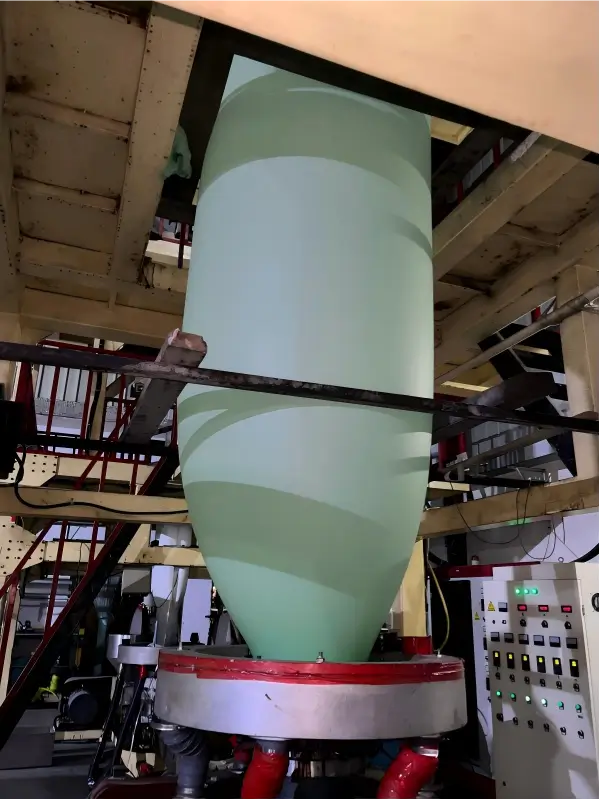
Most manufacturers can run compostable masterbatches on their existing machinery—such as blown film lines and injection molding machines—without requiring massive capital investments in new equipment.
Regulatory Compliance
Using certified compostable masterbatches ensures that end-products meet international standards, including EN 13432 in Europe, ASTM D6400 in the US, and OK Compost Industrial/Home certifications.
Sustainability
Utilizing compostable materials lowers the carbon footprint of your packaging, helping brands appeal to eco-conscious consumers and avoid single-use plastic taxes.
Customization
Leading suppliers can tailor a PLA masterbatch or PBAT masterbatch to meet specific color specifications and mechanical needs, such as enhanced tear resistance or specific flexibility levels.
How to Choose the Right Compostable Masterbatch Supplier
Not all additives are created equal. When sourcing a partner for your production needs, ensure they meet the following criteria:
- Verified Certifications: Confirm that their compostable masterbatch products pass globally recognized standards (OK Compost Industrial/Home, EN 13432, AS 4736, ASTM D6400, etc.).
- Heavy-Metal-Free Pigments: To ensure soil health and food safety, the pigments within the compostable masterbatch must be free of heavy metals.
- High Dispersion Rates: Excellent dispersion rates ensures even color spread during processing, eliminating streaks, spots, or uneven patches. Additionally, it also delivers consistent coloration across final products and boosts processing stability (e.g., fewer equipment blockages).
- Technical Expertise: A reliable supplier will provide guidance on adjusting machine parameters to ensure the compostable masterbatch performs optimally with your base resin.
Conclusion
By integrating compostable masterbatches into your production lines, you can create sustainable plastic packaging that satisfies global regulations and consumer demands without sacrificing quality. Whether you are a brand owner greening your supply chain or a manufacturer seeking a competitive edge, the transition to compostable masterbatch technology is a vital investment in a sustainable future.
Are you ready to upgrade your production? Contact our technical team today to discover how our custom compostable masterbatch solutions can transform your packaging.
FAQs
A “biodegradable” material simply breaks down into smaller pieces over an unspecified timeframe. In contrast, a certified compostable masterbatch must meet strict criteria: it must break down within a specific window (usually 180 days) in a composting environment and leave no toxic residue or microplastics behind.
The dosage typically ranges between 1% to 5%, depending on the desired color intensity and the thickness of the final product. Because the carrier resin of compostable masterbatch is designed to be compatible with bioplastic base resins, it disperses efficiently even at lower percentages, helping manufacturers manage costs while maintaining performance.
It is not recommended. Compostable masterbatch is specifically engineered with a bio-based carrier resin. Mixing it with petroleum-based plastics will not make the final product compostable. Instead, it may contaminate the traditional recycling stream and compromise the mechanical integrity of the plastic.
Of course. Because it is sensitive to moisture and heat, it should be stored in a cool, dry place in its original airtight packaging.
You must check the specific certification, like TÜV AUSTRIA OK Compost Home and AS 5810.