
The explosion of e-commerce has brought convenience to our doorsteps but also a significant increase in packaging waste. This post explores the rise of compostable packaging bags as a sustainable solution for e-commerce businesses, detailing the various types available and the benefits they offer. From reducing environmental impact to enhancing brand image and even providing economic advantages, compostable bags are revolutionizing the way online businesses ship their products.
What are Compostable Packaging Bags?
In simple terms, compostable plastic bags are packaging materials designed to break down completely into non-toxic, natural components—water, carbon dioxide, and biomass within a specific timeframe in a composting environment.
Compostable vs. Biodegradable
People use these terms interchangeably, but they are not synonyms. It’s like the difference between saying “something will break down” and “something will turn into compost.”
- Biodegradable: Just means a material can be broken down by microorganisms. It could take 5 years or 500, and it might leave behind microplastics or toxins. So there is no timeline or guarantee.
- Compostable: It’s a specific, regulated type of biodegradation. Compostable bags must break down within a composting cycle (usually 90-180 days) into humus that is beneficial for the soil.
So, when you’re looking for sustainable packaging bags, “compostable” is the word you want to trust.
Types of Compostable Packaging Bags for E-Commerce
There are a variety of compostable packaging optios to suit the specific needs for the e-commerce business. These alternatives are designed to be just as durable and functional while being environmentally friendly.
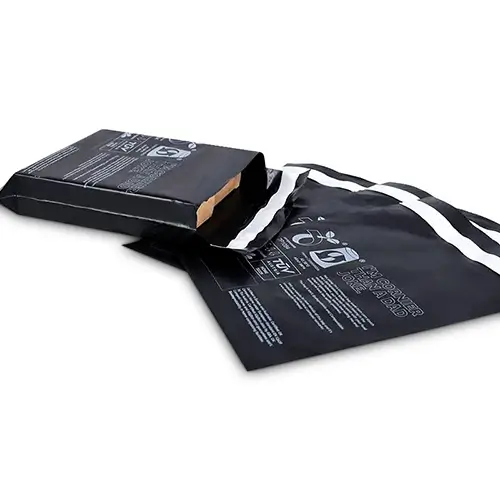
Compostable Mailer Bags
Compostable mailer bags are often made from plant-based materials like cornstarch, PLA and PBAT. These bags are durable, water-proof, and tear-resistant, ensuring products are protected during transit. They’re perfect for shipping a wide range of non-fragile items such as clothing, books, and accessories.
Compostable Self-Adhesive Bags
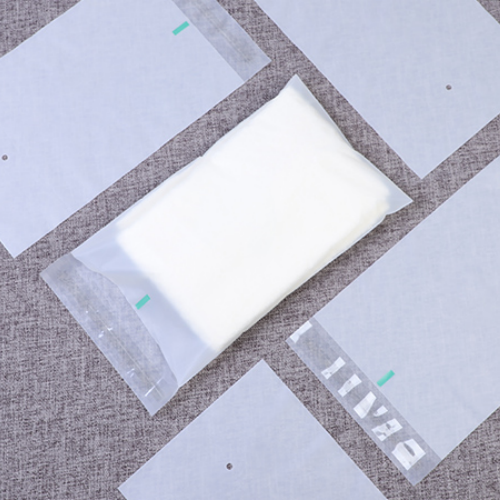
You know those clear plastic bags you use for smaller items like stationery, art prints, or maybe even baked goods? The compostable version is here. These bags feature a convenient self-seal adhesive strip for quick and easy closure. They’re soft, waterproof and puncture-resistant, providing excellent protection from dust and moisture. They’re also fantastic as an inner layer of protection within a larger box, keeping things organized and safe.
Compostable Ziplock Bags
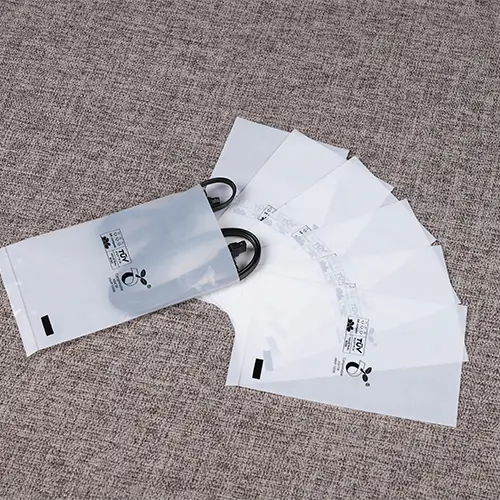
For products that need to be kept fresh, organized, or even resealed, compostable zip lock bags are a game-changer. Typically made from cornstarch or other plant-based materials, they offer that familiar press-to-close seal. This makes them an excellent option for items like subscription box components, cosmetics samples, small accessories, or even food items. They’re often leak-proof and water-resistant, and their reusability extends their life before they’re eventually composted.

Compostable Slider Zipper Bags
Take the ziplock concept and add an extra layer of user-friendliness. Compostable slider zipper bags feature that easy-glide slider for effortless sealing and resealing. They’re known for their robust, tear-resistant, and leak-proof design, making them a premium choice for retail packaging or products that will be opened and closed frequently.
Compostable Flat Open Packaging Bags
Sometimes, you just need a simple, sturdy bag. Compostable flat open packaging bags are your answer. Made from bioplastic films derived from starch, PLA, and PBAT, these are simple bags without a built-in closure. You can seal them with a heat sealer, a tie, or even just a knot. They’re lightweight, versatile, and incredibly durable. Many are even FDA-approved for direct food contact, making them perfect for everything from coffee beans and snacks to produce and bakery items.
Benefits of Using Compostable Bags for Your E-commerce Business
The adoption of compostable packaging offers a trifecta of benefits, positively impacting the environment, operational efficiency and the bottom line.
Environmental Impact
First, these bags drastically reduce the volume of waste sent to landfills. Instead of sitting in a dump for centuries, they break down and return to the earth. Second, they combat plastic pollution. By decomposing into non-toxic components, they don’t contribute to the microplastic crisis in our oceans and soil.
Finally, the production process for these sustainable packaging bags often relies on renewable resources and requires less energy, resulting in a lower carbon footprint from the get-go. It’s a full-cycle win.
Practical Advantages
Using sustainable packaging demonstrates a commitment to environmental responsibility, which can improve how consumers perceive a brand. As a growing number of customers prefering to support businesses that align with environmental values, compostable bags can lead to stronger customer loyalty and repeat business. At the same time, sustainable practices can be a powerful differentiator, attracting eco-conscious customers and setting a business apart.
Economical Benefits
The initial cost of compostable plastic bags can be higher than traditional plastics. But you have to look at the long-term saving.
- Customer Loyalty: As we just mentioned, eco-conscious customers are more loyal. Repeat business is almost always cheaper than acquiring new customers.
- Brand Reputation: Building a strong environmental profile is a valuable intangible asset. It can protect you during PR crises, attract top talent, and make you a preferred partner for other sustainable businesses.
- Future-Proofing: Regulations around plastic packaging are getting stricter worldwide. By switching now, you’re getting ahead of the curve and avoiding potential fines or forced, rushed transitions later.
Making the Switch: Key Considerations for Your Business
Certifications
To avoid falling for “greenwashing”, you must look for trusted third-party certifications to ensure true compostability.
- TÜV Austria OK Compost INDUSTRIAL & HOME: The “HOME” certification is particularly rigorous, meaning the bag will break down in your backyard compost bin. OK Compost INDURATRIAL standard means that the bag decompose in the industrial composting facilities.
- BPI (Biodegradable Products Institute): A leading certification in North America, verifying that products will compost in commercial facilities.
- EN 13432: An industrial composting standard certified by DIN CERTCO, mainly used in the European Union.
Home vs. Industrial Composting
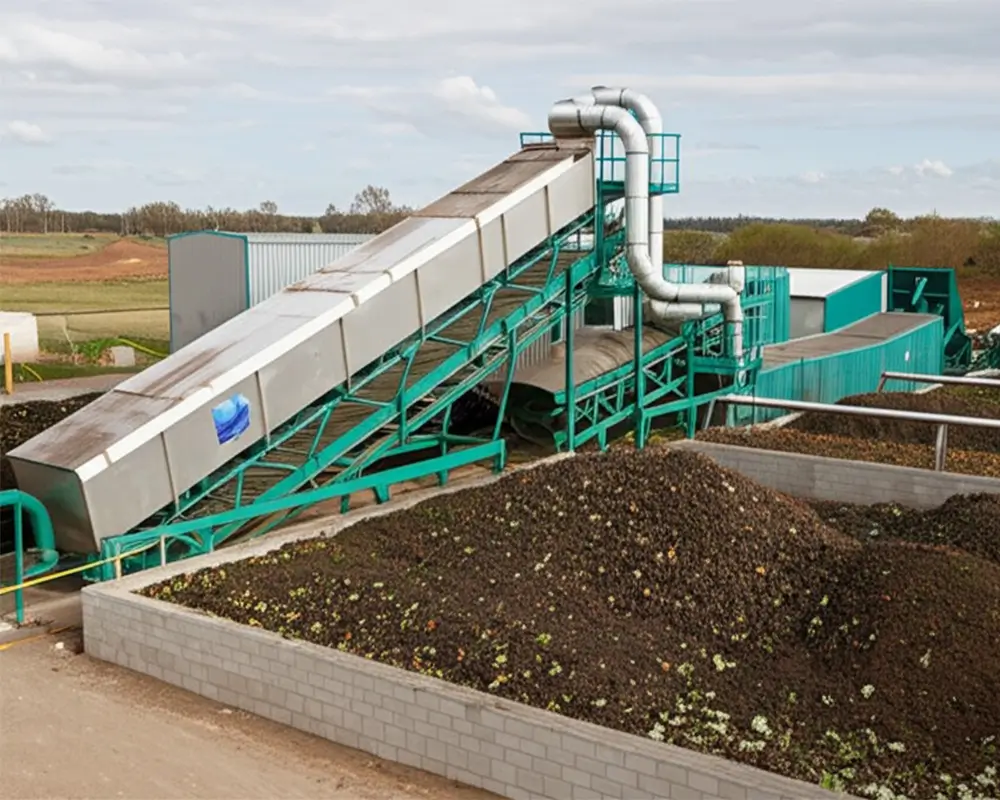
“Home Compostable” certified bags can break down in a backyard compost pile, while others require the high temperatures of an “Industrial” composting facility.
Be transparent with your customers about which type you use. A simple printed logo or a line on your packaging saying “I’m industrially compostable” with a link to find local facilities can make a world of difference.

Supplier Selection and Vetting
You supplier shouldn’t just be a vendor; they should be a partner in your sustainability journey. Look for a manufacturer and factory (like Longxin) that is transparent about their materials, certifications, and processes. Can they provide custom printing to maintain your brand aesthetic? Do they offer samples so you can test durability for your specific products?
Challenges to Be Aware Of
- Cost
Compostable bags are more expensive upfront than traditional plastics. The price gap is real, but it’s narrowing as technology improves and demand grows. Frame this cost as an investment in your brand’s future and the planet. Start by swicthing one product line or offering it as a premium, eco-friendly shipping option at checkout. You might be surprised by how many customers are willing to support the choice.
- Shelf Life & Durability
Compostable bags have a finite shelf life. They won’t last a decade in your warehouse—they’re designed to break down, after all! So, practice good inventory management and don’t over-order. In terms of performance, compostable bags are incredibly durable for their intended lifespan, but they may have limitations with extreme moisture or prolonged UV exposure. Your supplier should guide you on the best type for your product.
- Infrastructure
The availability of industrail composting facilities can be limited in some areas, posing a challenge for proper dispsoal. By choosing home-compostable options where possible and by educating your customers—through your packaging and your website—you’re raising awareness and creating demand for better infrastructure. You’re not just adapting to the market; you’re helping to shape it.
Conclusion
Shifting to compostable e-commerce packaging is more than just an environmental decision. It’s a sharp, strategic business move. By embracing these innovative solutions, e-commerce businesses can reduce their ecological impact, build a stronger, more loyal customer base, and position themselves as leaders in a future that values sustainability. While there are challenges to consider, the long-term benefits for the planet and your brand are undeniable.