
You sourced the compostable cling film. You kitchen or your client’s operation uses it, believing it’s the sustainable choice. But here’s the thing: just because it’s compostable doesn’t mean you can just toss it anywhere. Improper disposal is a surprisingly common mistake, and it can actually cause more harm than good.
We’re going to break down exactly how to compost your compostable cling film correctly, ensuring it breaks down beautifully and doesn’t end up causing environmental headaches. Think of this as your ultimate guide to zero-waste disposal for this kitchen staple.
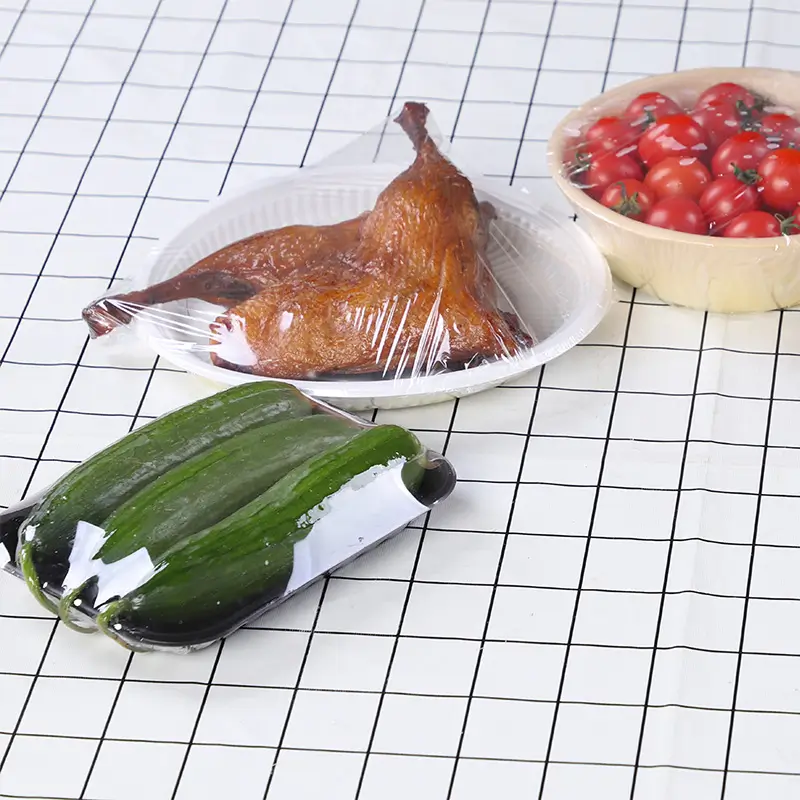
Why Proper Disposal Matters?
Have you ever seen businesses toss their compostable cling film straight into the trash bins or, worse, contaminate the recycling stream? When compostable film ends up in landfill, it’s trapped without oxygen. That slow breakdown creates methane–a greenhouse gas way nastier than CO2.
The Risks: Contaminating Compost and Creating Methane
When compostable cling film ends up in the wrong place, it can cause several problems.
- Polluting the Compost: If it accidentally gets into the recycling stream, it can contaminate the whole batch, potentially ruining entire loads of recyclable materials. If it ends up in a landfill, it won’t decompose properly. Instead, it might just sit there for centuries, or worse, break down anaerobically and produce methane, a potent greenhouse gas contributing to climate change.
- Misleading Environmental Protection: It can generate a false sense of accomplishment. People might think they’re doing a great thing by polluting it in the recycling, but they’re actually hindering the process. It’s like trying to bake a cake with salt instead of sugar. The results are definitely not what you intended!
Is Your Cling Film Truly Compostable?
This is where many people get tripped up. Not everything that sounds or looks “green” actually is. The world of “biodegradable” and “compostable” can be a bit of a minefield.
Beyond “Biodegradable”: What to Look For
You see the biodegradable label on a lot of products these days, but “biodegradable” is a pretty broad term. It just means something can break down. However, “compostable” means it breaks down within a specific timeframe, under specific conditions, into nutrient-rich compost, without leaving behind toxic residues. For compostable cling film, we’re talking about the second, more rigorous definition.
Identify the Compostable Certification Mark
So, how do you know if your compostable cling wrap is the real deal? Look for trusted certification logos. These are like your compass, guiding you to products that meet stringent standards.
- TUV OK Compost HOME: If your film has this logo, it means it’s designed to break down in your backyard compost bin.
- BPI Certification: This is a North American standard, indicating that the product is certified compostable, usually for industrial facilities.
- AS 5810: This is an Australian standard specifically for home compostable materials.
- EN 13432: This is a European standard, primarily for industrial composting.
Ingredient Check: PLA, PBAT and Plant-Based Materials
Beyond the logos, what’s actually in your compostable cling film? In general, it’s made from plant-based materials like polylactic acid (PLA), polybutylene adipate terephthalate (PBAT), or other biopolymers. These are engineered to break down, unlike traditional plastics derived from petroleum. So, if you see ingredients like PLA or PBAT, that’s a good sign that it’s designed for composting.
Pre-Composting Checklist: Getting Ready for the Compost Pile
Alright, you’ve got your certified compostable cling film. Now, before it even thinks about going into the compost, there are a few crucial steps to take. Think of it as prepping your ingredients before you start cooking – essential for a successful dish, or in this case, a successful compost.
Step 1: The Crucial Clean-Up
This is probably the most important step, and where many people falter. You absolutely must remove all food grease from your compostable cling film. Why? Because it can attract pests, create foul odors, and introduce pathogens into your compost. Plus, the oils and fats can hinder the decomposition process itself.
- Dealing with Light Stains: For minor oil stains or a few food crumbs, a quick wipe with a damp cloth and a tiny bit of eco-friendly dish soap should do the trick. Make sure to rinse it thoroughly and let it dry completely before proceeding.
- When Severe Pollution Means “Non-Compostable” (for Home): If your compostable cling film is heavily greased or caked with food residue, it’s likely beyond simple cleaning for home composting. In these cases, it’s best to discard it in the regular trash or, if your municipality offers it, a separate food waste collection bin that goes to industrial composting. Trying to compost heavily soiled film, even if certified, can contaminate your home compost.
Step 2: Shredding for Success
Think of decomposition like a giant meal for microbes. The smaller the pieces, the move surface area is exposed, and the faster those hungry microbes can get to work.
Operation Suggestion: Grab some scissors and cut or tear your cleaned compostable cling film into small, manageable pieces. Aim for roughly the size of a postage stamp or even smaller. This really helps accelerate the decomposition process, especially in home composting systems.
Step 3: Confirm the Type of Your Composting System
This is another critical distinction. Most compostable cling films available commercially are designed for industrial composting facilities, not your backyard bin.
Unless your compostable cling film explicitly states it is “Home Compostable” and carries a certification like TUV OK Compost HOME or AS 5810, you should assume it requires industrial composting. These industrial facilities operate at higher temperatures and with more controlled conditions that are necessary for complete breakdown. Mixing industrial-compostable materials into your home compost can lead to them just sitting there, stubbornly undecomposed.
Step-by-Step Composting Methods
Now that you’re prepped and understand the basics, let’s get down to the actual composting methods. This is where we put our compostable cling film to work.
Method A: Industrial Composting Facility Treatment
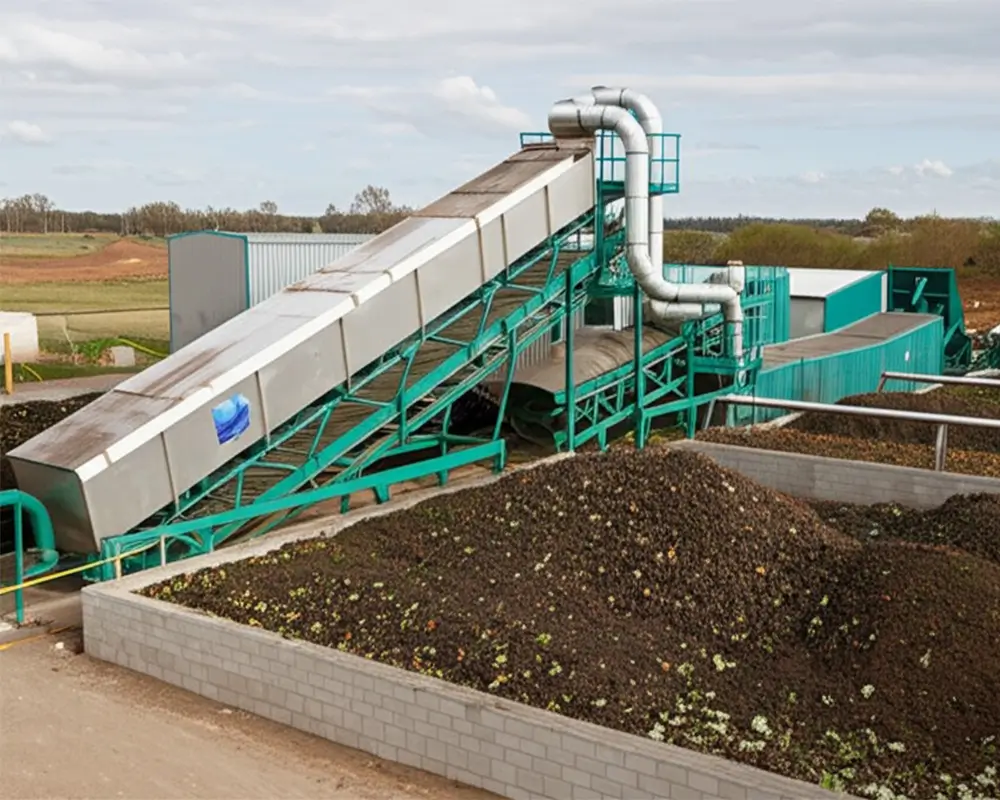
- Collection: Keep a separate bin or bag specifically for your clean, prepped compostable cling film and other certified compostable packaging. This prevents accidental mixing with regular trash or recyclables.
- Find Facilities: Many cities and municipalities have specific collection programs or designated drop-off points for compostable waste. Check your local council’s website, waste management services, or use online tools that help locate industrial composting facilities in your area. This is crucial for distributors and food service businesses that might have larger volumes.
- Disposal: Once you’ve located a facility or a collection service, follow their specific instructions. This usually involves placing your collected compostable materials into a designated “compostable waste” or “food waste” bin.
Tips: Seriously, do not put your compostable cling film in the regular trash bin or the curbside recycling bin. They belong in the dedicated compostable waste stream.
Method B. HOME Composting (Only for Certified HOME Compostable Film)
This method is fantastic, but it’s only for compostable cling film that carries a specific “Home Compostable” certification. If your film isn’t marked as such, don’t try this at home; you’ll likely be disappointed.

- Confirm Qualification: Double-check whether the product has the home compost certification mark like TUV OK Compost HOME or AS 5810.
- Mixing Method: Bury a small amount of fragments in layers in the center of the compost pile. This is the hottest part of the pile, where decomposition is most vigorous.
- Key Conditions:
- Maintain a high temperature (50-60°C is ideal). If your compost pile isn’t getting hot enough, decomposition will slow down.
- Maintain an ideal carbon-nitrogen ratio. Compost works best with a good mix of “green” materials (high in nitrogen, like fruit and vegetable scraps) and “brown” materials (high in carbon, like dry leaves, shredded paper, or cardboard). For compostable cling film, adding more brown materials can help balance the C:N ratio and promote better breakdown.
- Regularly turn the pile to ensure sufficient oxygen, which is essential for the aerobic microbes that do the heavy lifting.
- Decomposition Time: Even with the right conditions, composting cling wrap in a home compost system will break down much more slowly than your food scraps. It can take anywhere from 6 to 12 months, or even longer to fully decompose. So, don’t expect instant results.
C. Bokashi/ Vermicomposting – Use with Extreme Caution
What about other composting methods like Bokashi or vermicomposting?
Honestly, these methods are generally not recommended for compostable cling film, especially if it’s made from PLA or PBAT. Earthworms often don’t readily consume these materials. Bokashi, while an excellent pre-composting method for food scraps, usually requires a secondary composting stage to fully break down materials like compostable films, and the effectiveness can vary greatly. Unless the product packaging specifically states it’s suitable for Bokashi or vermicomposting and provides clear instructions, it’s best to steer clear.
Tips for Accelerating Decomposition & Ensuring Success
Want to give your compostable cling wrap a little extra boost in the composting process? Here are some tried-and-true tips to help things along.
Key it Moist
Your compost pile needs to be moist, but not soggy. If it’s too dry, the microbes can’t thrive. If it’s too wet, you risk anaerobic conditions and unpleasant odors. Check the moisture levels regularly and add water if needed, or more brown materials if it’s too wet.
Increase the Surface Area
As mentioned above, the smaller the pieces of your compostable cling film, the faster they will break down. When you’re shredding, aim for really tiny fragments. It’s like feeding the microbes bite-sized morsels instead of whole burgers.
Mix with High-Nitrogen “Green Materials”
Mixing your shredded compostable food wrap with “green” materials, like fresh fruit and vegetable scraps, coffee grounds, or grass clippings. These nitrogen-rich materials provide the fuel for the microbes that will be working on your film.
Monitor the Temperature
As we touched on, a hot compost pile is a happy compost pile. If you’re home composting, try to insulate your pile, especially in cooler weather, to maintain those ideal temperatures. For industrial composting, this is already managed for you. A hotter pile means faster, more efficient decomposition of your compostable films.
Patience is Key
Here’s the truth: compostable cling film is designed to break down, but it’s not instantaneous. It will always take longer than your everyday fruit peels or vegetable scraps. So, be patient! Trust the process, ensure your conditions are right, and you’ll eventually see those film fragments disappear into rich, healthy compost. It’s a marathon, not a sprint, for your compostable wrap.
FAQs on Composting Compostable Cling Film
A: No! For the vast majority of compostable cling film products, they are intended for industrial composting facilities. Unless the product is explicitly certified as “Home Compostable” (look for logos like TUV OK Compost HOME or AS 5810), you should not put it in your backyard compost bin. Stick to industrial facilities for most types of compostable film.
A: When your compostable cling film has successfully broken down, the finished compost should look and feel like dark, crumbly soil.
You shouldn’t be able to see any visible plastic residue whatsoever. It should be uniform in texture. If you’re still seeing identifiable bits of film, it hasn’t fully decomposed yet.
A: Don’t despair! If you find undecomposed fragments of compostable cling film in your compost, simply pick them out.
For home composting, you can try putting them back into the pile if it’s still active and hope for better luck, or, if they’re significantly degraded, you might be able to send them to an industrial facility. It’s also a good time to re-evaluate your composting conditions (moisture, temperature, aeration) or double-check if you accidentally used a non-certified or industrial-only compostable film.
A: No, they are not the same, although they both relate to breaking down. “Biodegradable” is a very general term. “Compostable” is much more specific, requiring breakdown in a composting environment under specific conditions.
Think of it this way: all compostable materials are biodegradable, but not all biodegradable materials are compostable.
A: This is a challenge for some regions. If you don’t have local industrial composting services, your best bet is to prioritize purchasing compostable cling film that is certified “Home Compostable.”
Alternatively, explore if there are any mail-in composting services that accept these materials, though this is less common for films. Choosing home-compostable options is crucial for wider adoption if industrial facilities are scarce.
Conclusion: Closing the Loop for a Sustainable Kitchen
Choosing compostable cling film is a fantastic step towards sustainability – a real selling point for distributors and a responsible choice for food service businesses. But honestly, that choice is only half the journey. The real environmental win happens when that used film gets transformed back into soil, not when it leaves your warehouse or kitchen.
By mastering how to compost compostable cling film, you’re not just disposing of waste; you’re completing a cycle of responsibility. You’re proving that sustainable packaging works. That’s the kind of commitment that builds brand trust and makes a genuine difference. Let’s get composting!