
Introduction
In California, piles of fruits and vegetables in supermarkets, farms and farmers’ markets cannot do without packaging bags, but traditional plastic bags are polluting our homes. They linger – polluting our stunning Pacific coastline, choking wildlife, and clogging landfills for centuries.
Thankfully, California is leading the charge against plastic waste, and compostable produce bags have emerged as the sustainable solution. This guide is your roadmap to mastering compostable produce bags in California. Let’s promote the circular economy.
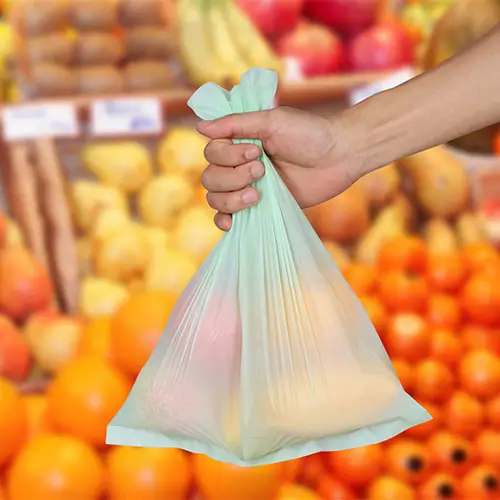
What Are Compostable Produce Bags?
The definition scope of compostability is specific composting conditions, time frames, and harmless residues. Compostable produce bags are used for packaging fruits, vegetables and other retail goods. They can complete the degradation process of harmless residues within 3 to 6 months under industrial composting conditions. That’s the closed-loop system we need.
What Makes Up Compostable Produce Bags?
There are several polymers to make up compostable bags:
- Plant Starches: Corn, potato, or cassava starch are common foundations.
- PLA (Polylactic Acid): Often derived from fermented corn starch or sugarcane.
- PBAT (Polybutylene Adipate Terephthalate): A biodegradable polymer often blended with PLA to add flexibility and strength.
- PHA (Polyhydroxyalkanoates): Made by microorganisms feeding on plant sugars; a truly bio-based option.
These materials give sustainable produce packaging bags their functionality while ensuring they can return to the earth safely.
You can read this article to learn more knowledge: Compostable Produce Bags: All You Need to Know.
How Do Compostable Produce Bags Work?
The magic happens in the compost pile! In an industrial composting facility, conditions are optimized – high heat (around 130-140°F), moisture, and oxygen levels, plus a diverse community of microbes. These microbes recognize the plant-based materials in compostable produce bags as food. They enzymatically break down the bag’s molecular structure, converting it into carbon dioxide, water, inorganic compounds, and that valuable biomass we call compost.
Why Compostable Produce Bags Are Essential in California?
Choosing compostable produce bags isn’t just a personal eco-choice; it’s increasingly aligned with California’s vision for a sustainable future.
California’s War on Plastic
California has been a pioneer in tackling plastic pollution. Landmark laws like SB 270 banned single-use plastic carryout bags statewide. More significantly, SB 1383 mandates the diversion of organic waste (including food scraps and yard trimmings) from landfills. Why? Because organic waste in landfills produces methane, a potent greenhouse gas.
This law directly impacts produce sections! Traditional plastic bags contaminate organic waste streams. Certified compostable produce bags California shoppers use are designed to be processed alongside food scraps in the new, expanded composting infrastructure mandated by SB 1383. Using them helps stores and consumers comply with these crucial regulations.
Environmental Impact
The harm of conventional plastic produce bags is vast: they photodegrade into microplastics infiltrating soil and water, entangle and kill marine life, and persist stubbornly in landfills.
Compostable fruit and vegetable bags offer a starkly better path:
- Reduced Fossil Fuels: Made from renewable plants, not petroleum.
- Lower Carbon Footprint: Production often uses less energy, and composting captures carbon in soil.
- Circular Solution: They become compost, enriching soil to grow more food. This is a true cycle.
- Less Contamination: Properly managed, they avoid polluting recycling streams or becoming persistent litter.
Convenience Meets Conscience
Let’s be honest: nobody wants a bag that rips open spilling apples everywhere! Modern compostable produce bags are designed to perform. They offer:
- Adequate Strength: Hold your oranges, potatoes, or leafy greens securely.
- Good Clarity: Cashiers can easily scan barcodes.
- Moisture Resistance: Keep produce fresher longer in your cart and fridge.
- Easy Opening & Tying: Often feature perforated starts or easy-tie handles.
Using sustainable produce packaging bags means you get the practicality you need plus the deep satisfaction of knowing your everyday choices protect California’s incredible environment. It’s convenience for your customers with a clear conscience.
Choosing the Right Compostable Produce Bags in California
Not all bags labeled “eco” are created equal. Knowing what to look for ensures your good intentions have real impact.
Key Certifications to Look For
Certification is your shield against misleading marketing (“greenwashing”). Look for these printing labels on the box or roll:
- BPI (Biodegradable Products Institute) Certified Compostable: This is the most widely recognized standard in North America for industrial compostability (ASTM D6400/D6868).
- CMA (Compost Manufacturing Alliance) Listed: Tests bags in actual commercial composting facilities to ensure they break down effectively within standard cycles.
- OK Compost HOME (TÜV AUSTRIA): Indicates the bag will compost in a home composting bin (much rarer and usually takes significantly longer). Crucially, most compostable produce bags require industrial facilities.
Always choose certified compostable produce bags California facilities accept! This is non-negotiable for effectiveness.
Performance Factors: Strength, Clarity & Functionality
- Strength & Tear Resistance: Can it handle prickly artichokes or heavy citrus without bursting?
- Clarity: Is it easy to see the produce and for the cashier to scan PLU codes?
- Anti-Fog Properties: Does it stay clear even with cold, moist produce?
- Ease of Use: Does it open easily? Does it have a tie closure or is it easy to knot?
Try a few brands to find compostable fruit and vegetable bags that balance eco-credentials with practical performance you like.
Home Composting vs. Commercial Composting
The vast majority of certified compostable produce bags are designed for industrial composting facilities. These facilities provide the sustained high heat necessary for timely decomposition.
Home Composting: Bags certified specifically for home composting (like OK Compost HOME) exist but are less common. Even these will decompose much slower in a backyard bin (potentially 6-12+ months) and require optimal conditions (consistent heat, moisture, turning). Don’t assume standard industrial bags will work well at home.
California’s SB 1383 Advantage: This law is rapidly expanding access to curbside green bin collection for organic waste across California. This is the primary and intended disposal route for your certified sustainable produce packaging bags. Check your local waste hauler’s guidelines.
Using & Disposing of Compostable Produce Bags Correctly
Using your compostable produce bags correctly ensures their environmental promise is fulfilled.
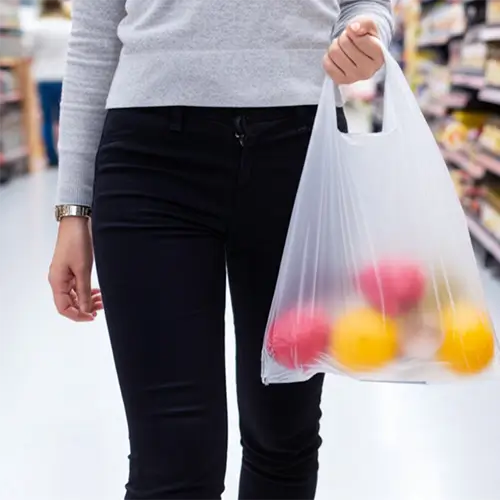
At the Store: Selecting and Filling Your Bags
- Look for the Label: Don’t just grab any bag in the produce section. Actively look for rolls clearly labeled “Compostable” and displaying the BPI or CMA certification logo.
- Feel the Difference: Some compostable bags feel slightly different – maybe a bit softer or less crinkly than traditional plastic. But always rely on the label, not just feel.
- Fill Smartly: Avoid overstuffing sharp or heavy items. Use common sense, just like with any bag.
At Home: Storage and Reuse Tips
Short-Term Reuse is Okay: While not designed for long-term storage, you can often reuse an empty compostable produce bag a few times for things like:
- Collecting small food scraps before dumping into your green bin.
- Storing loose items like nuts or grains temporarily.
- Packing snacks or small items.
Avoid Heavy or Wet Reuse: Don’t push their durability. If the bag gets dirty, torn, or wet, compost it.
Store Properly: Keep unused rolls or bags in a cool, dry, dark place (like a pantry drawer). Heat and sunlight can start the decomposition process prematurely.
Proper End-of-Life Disposal
Never Put Them in Recycling: Compostable produce bags are major contaminants in plastic recycling streams. They get mistaken for plastic, ruin batches, and cause costly sorting problems. Keep them out of the blue bin!
The Golden Rule: Green Bin! The only correct place for certified industrial compostable produce bags California has embraced is your jurisdiction’s designated organic waste cart (Green Bin). This cart is for food scraps, yard waste, food-soiled paper, and certified compostable products like your bags and food service ware.
Why Landfills are Bad: Tossing them in the trash sends them to a landfill. Landfills lack oxygen, causing organic matter (including your bag) to decompose anaerobically, producing methane – a greenhouse gas far more potent than CO2. This negates the entire environmental benefit.
Double-Check Locally: While SB 1383 sets the state framework, implementation varies slightly. Always check your specific city or waste hauler’s website (e.g., Recology, Waste Management, local municipality) to confirm they accept certified compostable bags in the green bin. Most major urban areas in CA do.
Where to Find Compostable Produce Bags in California
Ready to make the switch? Finding biodegradable compostable produce bags is easier than ever across the Golden State.
Leading Retailers & Grocery Chains Offering Them
Many major and specialty grocery chains now provide rolls of compostable fruit and vegetable bags right in their produce sections:
- Commonly Found At: Whole Foods Market, Sprouts Farmers Market, Nugget Markets, Bristol Farms, Gelson’s, many local food co-ops.
- Increasingly Available At: Larger chains like Ralphs (Kroger), Albertsons/Vons/Pavilions, and Safeway are rolling them out in many locations, often as part of sustainability initiatives or local ordinance compliance. Keep an eye out!
Online Stores for Bulk Purchases & Specialty Brands
For convenience, variety, or bulk buying (often more cost-effective and reduces packaging waste):
- EarthHero: Large selection of vetted sustainable products.
- Grove Collaborative: Focuses on eco-friendly home and personal care, often includes kitchen/bag options.
- Thrive Market: Online membership-based retailer with strong natural/organic focus.
- Brand Websites: Reputable brands like BioBag, EcoSafe, Biobene, Primode, and Revolution Bag often sell direct or list online retailers.
- Amazon: Search carefully using keywords like “BPI certified compostable produce bags” – check certifications closely!
Local Zero-Waste Shops & Refill Stations
Support your community and find high-quality options at California’s fantastic network of zero-waste stores:
These shops often sell sustainable produce packaging bags by the roll or allow you to bring your own container for refill purchases (great for bulk dry goods too!).
Examples (check for locations near you!): The Wally Shop (LA), Sustain LA (LA), Fillgood (Berkeley/Albany), ReGrained (San Francisco), The Refill Shoppe (Ventura/LA/Orange County), Bare Market (Sacramento), Nada (Sacramento), Simply Bulk (San Diego), Soap Refill Station (San Diego), Sustain Eco-Store (Santa Barbara). A quick web search for “zero waste store near me” will yield results!
Conclusion
The humble produce bag has become a symbol of our choices. Sticking with plastic harms the California we love – its beaches, wildlife, and communities. Embracing compostable produce bags in California is a practical, powerful step towards a healthier planet.
This guide has armed you with the knowledge: you understand what makes them truly compostable, why California’s regulations make them essential, how to choose certified bags, where to find them, and crucially, how to dispose of them correctly in the Green Bin.
So next time you reach for those crisp apples or juicy tomatoes, make the conscious choice. Grab those certified compostable fruit and vegetable bags. Feel good knowing you’re part of California’s vibrant green revolution, one bag, one shopping trip, at a time. Together, we’re building a cleaner, more sustainable future.
FAQs
Initially, yes, they often cost a bit more per bag than the ultra-cheap plastic ones stores used to provide. However:
Prices are dropping as demand and production scale increase.
Buying in bulk online significantly reduces the per-bag cost.
Consider the true cost: plastic bags create massive externalized costs in cleanup, environmental damage, and health impacts that society pays for. Compostable produce bags are an investment in a cleaner California.
Pro Tip: Think of bringing reusable mesh bags as the most cost-effective option long-term, using compostable bags when you forget or need them.
Under optimal conditions in an industrial composting facility, certified compostable produce bags typically break down within 90-180 days. This is dramatically faster than plastic, which persists for hundreds of years. Home composting, if the bag is certified for it, takes much longer (6-18 months or more).
While SB 1383 rollout is ongoing, some areas might still be catching up. Check your hauler’s website definitively.
If not accepted:
Use Reusable Mesh Bags: The best zero-waste option! Lightweight, durable, washable.
Skip the Bag Altogether: For larger or sturdy items like bananas, squash, or melons – just pop the PLU sticker directly on the skin.
Advocate: Contact your local waste management department and elected officials. Politely ask when certified compostable produce bags will be accepted, citing SB 1383 and the need for alignment.
Requires Infrastructure: Their environmental benefit hinges on access to industrial composting and proper disposal (Green Bin!). Landfill disposal is bad.
Cost: Still often slightly higher upfront than conventional plastic (though prices are improving).
Performance Variability: Early versions had issues; modern certified bags are much better, but some brands might be thinner or less tear-resistant than others.
Not a Panacea: They are a transitional solution. Reusable bags are the ultimate goal, but compostable bags are a massive leap forward from conventional plastic.