
You know that nagging feeling? The one you get tossing yet another plastic bag into the bin, knowing it’s heading for landfill purgatory – or worse, the ocean? It’s a modern malaise, especially for businesses drowning in packaging. But what if the humble resealable bag, that workhorse of freshness and convenience, could actually disappear responsibly? Enter compostable resealable bags. They’re not just a niche eco-fad; they’re a practical, powerful shift offering serious advantages across industries. Let’s peel back the layers.
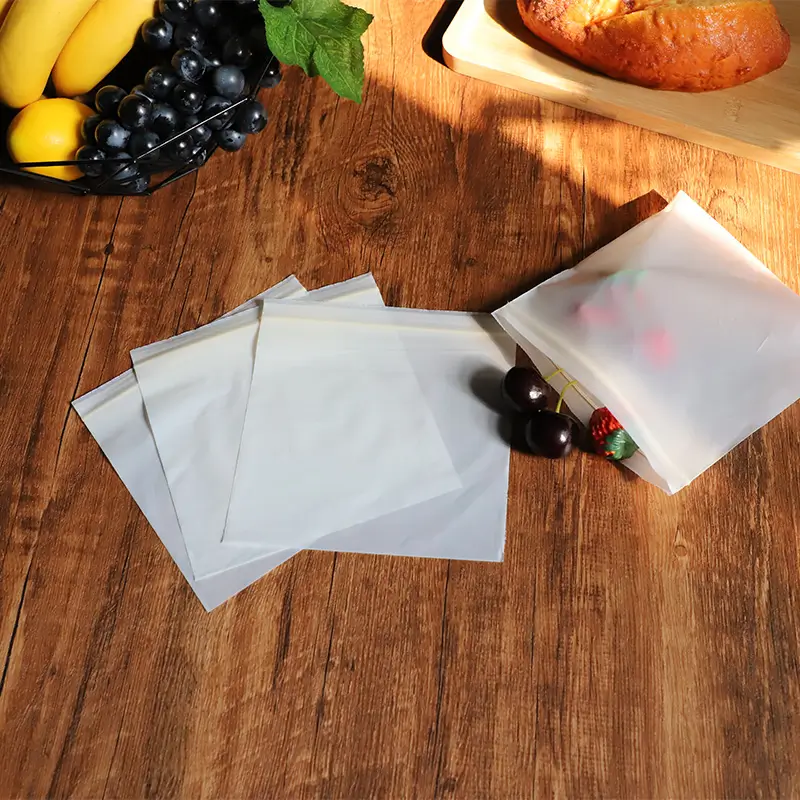
1. They Actually Break Down
This is the big one, the core appeal. Unlike conventional plastic bags that linger for centuries, fragmenting into microplastics, certified compostable resealable bags are designed to return to nature. We’re talking about materials like PBAT (a biodegradable polymer) blended with plant-based starches (often corn or potato), or innovative materials like PHA (produced by microorganisms). Under the right conditions – think industrial composting facilities with controlled heat, moisture, and microbial activity – these bags decompose into water, carbon dioxide, and nutrient-rich biomass within months.
Why it matters for you(Distributor/Wholesaler/Food Biz/etc.)
This is your killer sales argument. It directly addresses the massive plastic waste crisis and growing consumer and regulatory demand for genuine solutions. It’s tangible proof of commitment to environmental responsibility. Think about the food industry – a salad mix stays fresh in the bag, then the bag itself nourishes the soil for the next crop. Poetic, practical. “Biodegradable” claims can be murky; look for certifications like ASTM D6400 (US) or EN 13432 (EU) – that’s the gold standard guaranteeing industrial compostability. It’s not magic; it’s science you can bank on.
2. Keeping Stuff Fresh Without the Plastic Hangover
Does “compostable” mean flimsy or ineffective? Absolutely not. Modern compostable resealable films have come a long way. They offer excellent barrier properties – keeping moisture out (crucial for electronics or nursing supplies like wound dressings) or locking moisture in (essential for fresh produce, baked goods, or even moist textiles). That satisfying “zip” seal? It works just as reliably as its plastic counterpart to preserve product integrity and shelf life.
The Industry Angle
For food producers, it means your organic snacks stay crispy and your pre-cut veggies stay vibrant, packaged in a bag that aligns with the product’s ethos. Textile companies shipping moisture-sensitive fabrics? Protection without the plastic paradox. Electronics firms needing static-free bags for small components? Compostable options exist with the necessary safeguards. Nursing supply distributors can offer incontinence product bags or disposal solutions that clinicians and environmentally conscious patients appreciate. Performance isn’t sacrificed; it’s matched with principle.
Learn more about compostable bags for storing food here.
3. Dodging the Plastic Penalty: Regulatory Headaches & Shifting Sands
Let’s be real: the regulatory landscape for single-use plastics is tightening faster than a new zipper bag. Bans, taxes (like Extended Producer Responsibility schemes), and stricter labeling requirements are rolling out globally. Businesses clinging solely to conventional plastic packaging are setting themselves up for future costs and compliance nightmares. Compostable resealable bags, especially those meeting recognized standards, offer a proactive pathway.
Forward-Thinking Advantage
Distributors and wholesalers stocking these bags become essential partners, helping clients navigate this evolving terrain. For manufacturers across sectors – food, textiles, electronics, nursing supplies – adopting compostable resealable packaging demonstrates foresight. It’s about future-proofing operations, avoiding potential fees, and aligning with policies before they become a crisis. It’s not just green; it’s strategically smart business. Why wait for the legislative hammer?
4. The Silent Salesman: Brand Love in a Bag
Packaging is often the first and most frequent touchpoint a customer has with a brand. Imagine a consumer opening a bag of premium coffee beans. The bag is sturdy, reseals perfectly, keeps the beans fresh… and they know it can be composted. That feeling? It’s powerful. It builds trust, loyalty, and a genuine emotional connection. It tells a story about the brand’s values resonating with a growing eco-conscious market.
Beyond Feel-Good
This translates directly to competitive edge. For consumer-facing brands (food especially, but also textiles like sustainable clothing brands, or even eco-conscious electronics accessories), compostable resealable packaging is a visible commitment. It’s a differentiator on crowded shelves and in online marketplaces. Distributors supplying these bags empower their clients to tap into this consumer sentiment. It’s packaging that actively builds brand reputation, turning a functional item into a statement of shared values. How much is that loyalty worth?
5. Closing the Loop: The Circular Economy Dream
The linear “take-make-dispose” model is broken. Compostable resealable bags offer a tangible step towards circularity. After their useful life protecting products, they become feedstock for industrial composting facilities. The resulting compost enriches soil, supporting agriculture and closing the biological loop. This contrasts sharply with plastic bags, which typically downcycle (if recycled at all) into lower-value products before eventual disposal.
Systemic Impact
For industries generating significant packaging waste (think large-scale food prep, textile sample bags, electronic component packaging, or healthcare disposables), adopting compostable resealable packaging bags contributes directly to waste diversion goals. It moves material out of the waste stream and into a regenerative cycle. It’s a practical contribution to building more resilient, less wasteful systems. It’s not the only solution, but it’s a significant, actionable piece of the puzzle. Can your current packaging say the same?
Advantages of Compostable Resealable Bags: Industry Insights

- Food Industry: Beyond freshness, it aligns with organic/natural product positioning. Think resealable pouches for snacks, grains, coffee, produce, deli items, even sous-vide cooking bags. Reduces contamination in food waste composting streams.
- Textile Industry: Ideal for protecting fabrics from dust and moisture during shipping/storage, sample bags, or even retail packaging for smaller items like socks or accessories. Appeals to sustainable fashion brands and buyers.
- Electronics Industry: Protects small components from moisture and static. Great for screws, connectors, or even silica gel packets. Meets corporate sustainability targets.
- Nursing Supplies Industry: Discreet, hygienic disposal bags for incontinence products or wound dressings. Offers patients and facilities a more environmentally responsible option without compromising hygiene.
Conclusion
Compostable resealable bags represent more than just an environmental choice; they represent a significant shift in how we think about packaging’s entire lifecycle. They offer genuine decomposition, uncompromised performance, regulatory foresight, brand-building power, and a path towards circularity. For distributors, they’re a future-proof product category. For manufacturers and brands across food, textiles, electronics, and nursing supplies, they’re a tangible way to meet evolving demands and demonstrate real responsibility.
It’s not about being perfect overnight. It’s about choosing a smarter, more sustainable step forward.
FAQs
A: Certified compostable resealable bags (look for ASTM D6400/EN 13432) decompose naturally within 3-6 months in a proper industrial composting facility. Backyard compost piles usually lack the consistent high heat needed for timely breakdown.
A: Not necessarily. High-quality sustainable resealable bags offer comparable barrier properties (moisture, oxygen) to conventional plastic when designed for specific products. They reliably maintain freshness and shelf life for items like snacks, produce, or dry goods.
A: Currently, certified compostable packaging often carries a higher per-unit cost than standard plastic due to material costs and production scale.
However, prices are decreasing as adoption grows. Consider the total value: potential avoidance of plastic taxes (EPR fees), enhanced brand reputation attracting eco-conscious customers, and potential waste disposal savings.
A: It’s generally not recommended for reliable breakdown. Industrial compostable bags require the sustained high temperatures (typically 55-60°C+) and specific microbial activity of commercial facilities. Home compost systems vary greatly and rarely achieve consistent conditions needed for timely decomposition of these materials.
A: Access to industrial composting for compostable packaging is expanding but varies by region. Resources like the Biocycle directory (US) or FindAComposter.com can help locate facilities accepting certified compostable packaging. Always check with your local composter first regarding their specific acceptance policies.