
Introduction
In modern gardening, plants are typically cultivated in plastic pots or bags. However, reliance on traditional plastics has generated waste and environmental pollution. Compostable nursery bags offer a promising solution for plant cultivation, because the entire bag can be transplanted directly on the soil, where it decomposes within a few months.
Let me explain why these bags are the future of sustainable gardening and how they promote healthier plant growth.
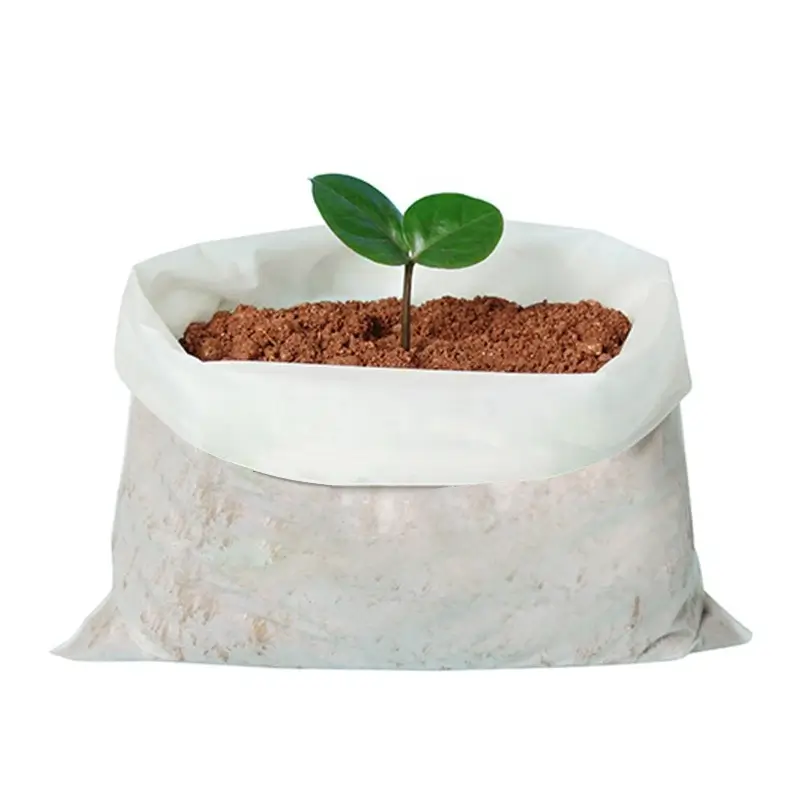
What Are Compostable Nursery Bags?
Compostable nursery bags are eco-friendly alternatives to the traditional rigid plastic pots (polybags) used for seedlings and young plants. Unlike plastics that persist in the environment, these bags are designed to break down naturally.
In general, these bags are made from plant starches, such as corn, cassava, or sugar cane. This creates a material often referred to as PLA (Polylactic Acid). When exposed to the microbes in soil, these bags eventually decompose and turn into organic matter.
Distinguishing Between Biodegradable and Compostable
It is important to distinguish between these marketing terms, as they can be confusing.
- Biodegradable just means it breaks down eventually, but the process could take decades or even a century.
- Compostable means it breaks down into non-toxic, organic components within a specific timeframe under the right conditions.
Benefits of Compostable Nursery Bags
Eco-Friendly Gardening and Waste Reduction
Millions of tons of plastic garden waste are generated annually. By using compostable nursery bags, you are effectively opting out of that cycle. There are no pots to discard, and these sustainable bags become part of the earth. Once the planting season ends, there is no need to clean up plastic waste from the ground.
Efficiency for Commercial Farmers and Horticulture Businesses
For gardening or horticulture businesses, these eco-friendly grow bags can result in massive labor savings. You don’t need to pay staff to remove plants from pots, nor to collect, wash, and sterilize used containers. You simply ship the plant in a grocery bag, and the customer plants the whole unit.
Learn more about compostable bags for horticulture.
How Compostable Nursery Bags Improve Plant Growth
Air Pruning
In a standard plastic pot, when a root hits the hard wall, it panics. It starts circling around and around, forming a chocked and spiral root system. This is called “root binding.”
Eliminating Transplant Shock
Removing a plant from a plastic pot often causes it to wilt for a week due to transplant shock. However, if you plant the entire compostable bag directly into the soil, the roots remain undisturbed. The plant does not experience a pause in growth; instead, the roots grow through the decomposing film and into the native soil instantly.
Better Drainage and Root Health
Overwatering is the number one killer of potted plants. Because compostable nursery bags are porous, excess water drains freely from the sides and bottom. It is nearly impossible to drown a plant in these bags unless they are submerged in standing water.
Compostable Bags for Breeding and Seedlings
These bags aren’t just for backyard petunias; they are a game-changer for commercial nurseries.
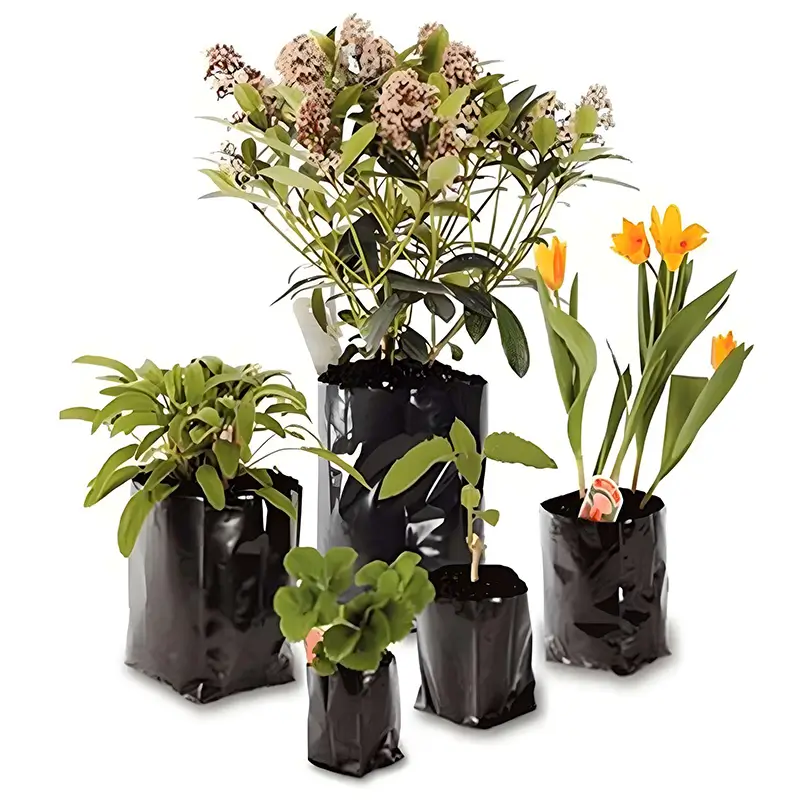
Ideal for Tree Saplings and Forestry
When replanting a forest, carrying plastic waste back out of the woods is inefficient. With compostable bags, you dig a hole, drop the sapling (bag and all) in, and walk away. The survival rate for saplings grown in compostable bags is typically higher due to the lack of root disturbance.
Vegetables and Herbs: A Quick Turnover Solution
For fast-growing crops like peppers or basil, compostable bags allow you to start seeds indoors and move them out without missing a beat.
Traditional Plastic Pots vs. Compostable Plant Grow Bags
| Features | Traditional Plastic Pots | Compostable Nursery Bags |
| Material | Petroleum-based plastic | Plant-based material |
| Root Health | Prone to root circling/binding | Promotes air pruning |
| Transplanting | High shock risk (removal required) | Zero shock (plant the bag) |
| Watering | Retains water (rot risk) | Freely draining (needs more water) |
| End of Life | Landfill or uncertain recycling | Decomposes into soil |
How to Use Compostable Nursery Bags Effectively
Filling and Sowing: Getting Started
These bags are soft, so they don’t stand up like soldiers until they are filled.
- Open the compostable nursery bag.
- Fill it with your potting mix. I recommend a slightly more moisture-retentive mix than usual since the bags breathe so well.
- Tap the bottom of the bag on the table to settle the soil. Now it will stand up on its own.
Watering Routines: Adapting to Breathable Materials
These biodegradable bags dry out faster than normal plastic. If you are in a hot climate, keep the bags packed closely together in a tray to reduce evaporation from the sides. In addition, check them daily. If the bag feels light, water it.
The Planting Process: Dig, Drop, and Cover
When the seedling is ready:
- Dig a hole in your garden.
- Drop the entire compostable nursery bag into the hole.
- Ensure the top rim of the bag is buried under the soil. If the bag sticks out, it acts like a wick, pulling moisture out of the root ball into the air.
FAQs
Are compostable nursery bags safe for plants?
Yes, compostable bags are non-toxic and can add nutrition as they break down. They are generally made from food-grade starches. As they decompose, they turn into carbon, water, and biomass that worms love. There are no nasty chemicals leaching into the basil.
How long do compostable nursery bags last?
They last long enough for the growing cycle. Typically, they remain intact for 3-12 months above ground, depending on thickness. Once buried in the soil, they usually break down within 3-6 months.
Can compostable bags be used for all types of plants?
Of course! You can use them for almost anything, including fruits, tree sampling, vegetables, and herbs.
Embrace the Green Revolution
Switching to compostable nursery bags isn’t just about following a trend. It is about making a conscious choice to eliminate plastic waste. It is about understanding that healthy roots make healthy plants, and that sometimes, the best container is one that disappears.
Whether you are looking for compostable plant grow bags for a garden or sourcing bags for breeding thousands of pine seedlings, the technology is here, and it works.