
Introduction
Running a farm today isn’t just about yields and weather—it’s also about managing countless daily details, and one of the most persistent hassles is waste. You know the scene: piles of plastic mulch, stacks of used nursery pots, damp box liners, and that ever-growing mound of food scraps and plant trimmings.
But what if that “waste stream” could become your fertility pipeline? Imagine if the bags and films you use every day could break down right into your soil, leaving behind nothing but richer earth. This is happening right now on forward-looking farms, and it starts with one simple switch: replacing conventional plastics with compostable bags for farm operations.
This is a practical sustainability shift that boosts your farm’s health and strengthens your economic resilience. So let’s explore how making this change can truly help you grow greener.
Why Farm Owners are Making the Switch to Compostable Bags
1. Turn Organic Waste into Black Gold
Thanks to their biodegradable nature, compostable bags can fully break down into organic matter within an active compost pile. Here’s how it works: instead of bundling up used plant bags or hauling away spoiled produce, you simply toss everything—bags and all—right onto the pile. Even the compostable food waste bags holding kitchen scraps will decompose along with their contents. You’re not just getting rid of waste; you’re streamlining your organic inputs without the extra step of separating out plastic contamination.
In this way, nutrients that originally came from your soil, fed your crops, and later became “waste” or packaging are processed and returned directly to your fields. It’s a true closed-loop system—one that helps you cut down on external inputs while building tailored soil fertility that meets your land’s unique needs.
2. Enrich the Soil and Nourish the Plants
Compostable bags are generally produced from plant-based materials and other organic compounds. As they break down, they introduce carbon into your compost—key to developing a well-balanced, humus-rich final product.
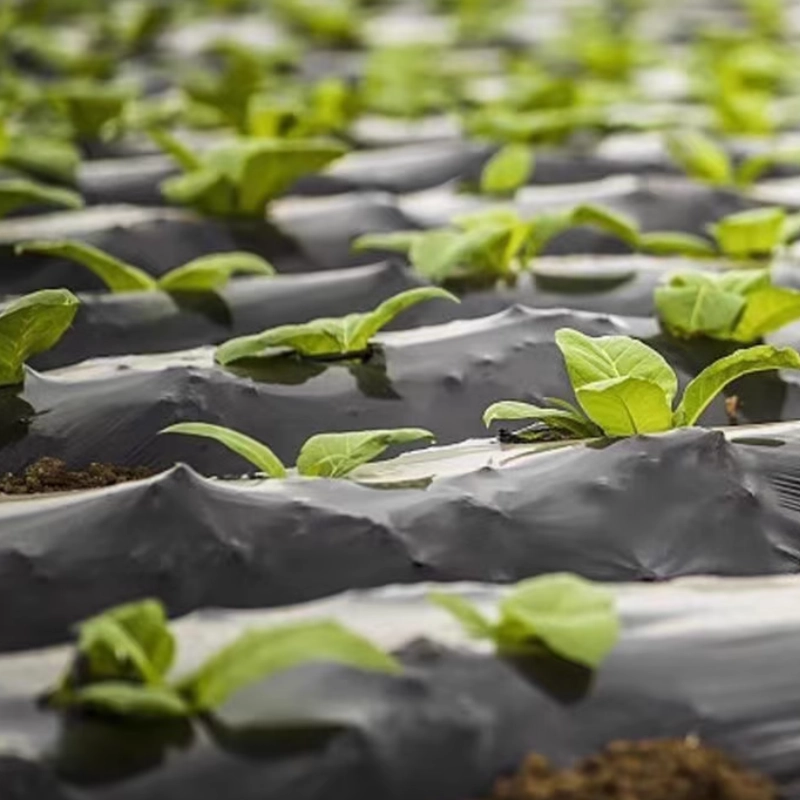
Take compostable mulch film, for example. It not only controls weeds and holds moisture during the growing season, but once its job is done, you can simply till it into the soil. There, soil microbes gradually digest it, enriching the organic matter in the earth.
The resulting humus acts as a natural soil conditioner, creating an ideal environment for plant nutrition. And because it contains no harmful chemicals, it helps make your farm outputs truly greener and more organic.
3. Slash Waste Management Costs
Hauling away non-compostable waste costs money. Paying for plastic disposal bags costs money. The labor to sort, bundle, and handle all that plastic? That’s time and money, too.
By switching to compostable bags for on-farm sorting, you greatly reduce the volume of non-degradable waste you send off farm. More of your waste stream can be handled right here in your composting system. That means fewer dumpster hauls, lower disposal fees, and less time your crew spends managing trash. Finally, the savings might surprise you.
Essential Compostable Films & Bags for Organic Farms
Compostable Mulch Film
Like conventional plastic mulch, it warms the soil, suppresses weeds, and conserves water. But come season’s end, you don’t have the back-breaking, frustrating job of pulling up and disposing of thin, torn plastic sheets. You can simply till the compostable mulch film directly into the topsoil where it will break down over the off-season. It’s a massive labor saver and a soil builder in one.
Compostable Plant Nursery Bags
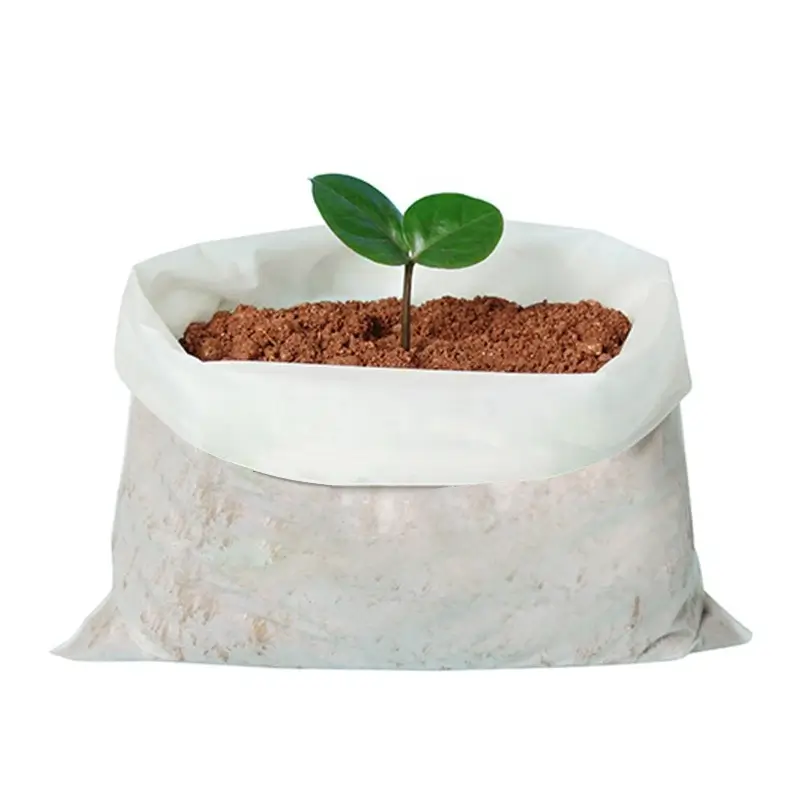
For tree, shrub, or seedling operations, this is a huge one. Traditional plastic nursery pots are a nightmare to recycle and often end up in landfills. Compostable plant grow bags are strong enough for the growing cycle but can be planted directly into the ground in many cases. If not, they go straight to the compost pile with the root ball. No more pot collection, no more plastic waste. Your customers will love the sustainable edge, too.
Compostable Crate & Box Liners
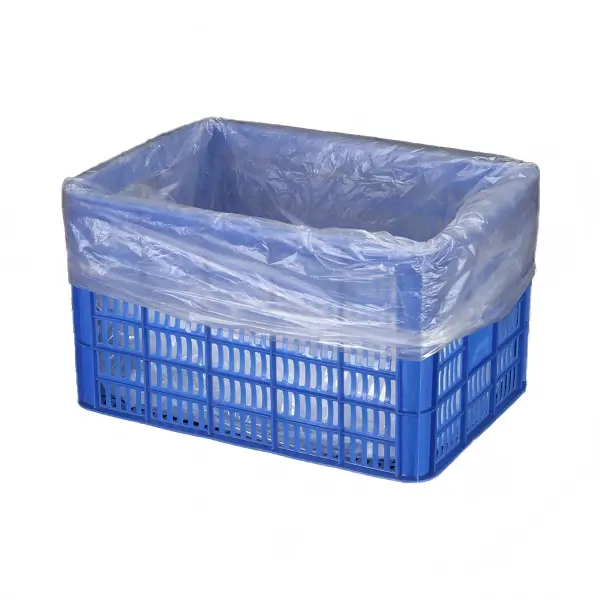
Getting produce from field to market cleanly is key. Compostable crate & box liners protect your wooden or cardboard crates from moisture and dirt. At the market or delivery point, food scraps and the used liner can all be composted together. It’s a clean, professional, and eco-conscious system that resonates deeply with today’s consumers.
Compostable Cling Film
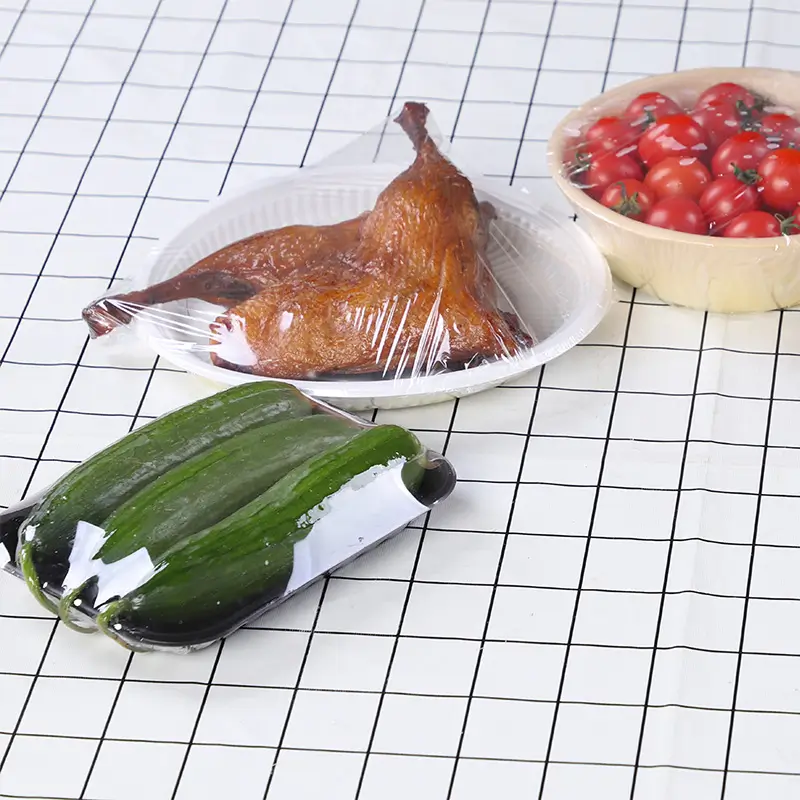
Need to wrap a pallet of produce or protect harvested greens? Standard cling film is a single-use plastic disaster. Compostable cling film offers the same protective barrier and cling but can be added to your commercial compost stream after use. It’s perfect for short-term moisture retention and protection without the long-term environmental footprint.

Compostable Food Waste Bags
In the farm kitchen, packing shed, or cafeteria, these sustainable waste bags keep bins clean, reduce odors, and make collecting food scraps a hygienic process. When the bag is full, the entire thing—bag and all—gets tossed onto the compost pile. It simplifies collection and prevents the “ick” factor, encouraging everyone on the farm to participate in the composting program.
Biodegradable Bale Wrap
Biodegradable bale wrap is a sustainable alternative to traditional plastic films for silage and haylage storage. It provides strong puncture resistance and an effective oxygen barrier to help protect feed quality. After use, it is designed to biodegrade under suitable conditions, helping support more sustainable farming operations.
Practical Considerations For Farmers
Knowing the Difference Between Biodegradable and Compostable
“Biodegradable” is a vague term. It just means something will break down eventually, maybe in 50 years, maybe into microplastics.
“Compostable,” especially in a farming context, means it’s certified to break down into non-toxic, organic components within a specific timeframe (like one growing season) in a composting environment.
Always look for reputable certifications like OK compost INDUSTRIAL (for commercial/on-farm composting) or BPI. This ensures the product is designed for our kind of systems.
Finding the Right Fit: Strength, Size, and Decomposition Rate
Not all compostable bags for organic farm use are created equal. A bag for lightweight fruit scraps is different from a heavy-duty crate & box liner for wet, heavy produce.
Work with your supplier to match the product to the job. Also, discuss decomposition rates—some films are designed for in-soil decomposition over a few months, while thicker items might need a hot compost pile.
Setting Up Your On-Farm Composting
For these products to break down properly, they need active, managed composting. A slow, cold pile might not cut it. Ensure your compost piles reach adequate temperatures (typically 131°F or higher for a period) to efficiently break down certified compostable products. It’s the same good practice you’d use for weed seed and pathogen reduction anyway.
Partner with A Reliable Supplier
Partner with a reliable manufacturer, who can provide the necessary certifications and offer high-quality compostable bags.
You can ask some samples to test their performances. A good supplier is a partner in your sustainability journey.
Conclusion
Farming is a business rooted in the health of the land. Adopting compostable bags for farm use isn’t just about feeling good. It’s a strategic decision that makes practical sense.
By switching to compostable films and bags for your farm, you will reduce your dependence on external waste management and synthetic inputs. Therefore, your farm will become a more self-contained, robust ecosystem.
The future of farming is green, and it’s wrapped in packaging that literally disappears to feed the next harvest. So, why not start the loop on your farm?