
The terms “biodegradable” and “compostable” often get thrown around as if they mean the same thing, leaving many people unsure of the real environmental benefits. What’s the real difference between biodegradable and compostable?
Confusion Surrounding Biodegradable and Compostable
Sometimes, marketing makes it even harder to tell these terms apart. Even well-meaning folks might use them interchangeably, but it’s important to understand—they’re not really the same.
The confusion often comes from how broadly we define “biodegradable.” Think of it like saying an object is “edible”—technically true, but it doesn’t mean it’s tasty or suitable to eat. “Biodegradable” simply means that microorganisms can break down the material over time, but it raises big questions: How long does that take? Under what conditions? And what does it turn into?
The Importance of Understanding the Difference
So, why should businesses, suppliers, and consumers care about telling these apart? Here’s why:
- Genuine Environmental Impact: Making the right choice helps reduce landfill waste, improve soil health, and cut down carbon emissions.
- Consumer Trust and Brand Reputation: As customers become more aware and eco-conscious, superficial “green” claims (sometimes called greenwashing) just won’t cut it anymore. Genuine sustainable practices build long-term loyalty.
- Staying Ahead of Regulations: Governments are increasingly cracking down on vague environmental claims. Knowing the standards helps you stay ahead of law.
- Investing in the Future: Picking the right eco-friendly bags isn’t just good for the planet; it’s an investment in your business’s long-term sustainability.
Understanding these labels isn’t just academic—it’s practical. Now, let’s take a closer look at biodegradable bags to see what they really are.
What Are Biodegradable Bags?
Biodegradable bags are meant to break down into smaller pieces through the action of microorganisms like bacteria and fungi. Unlike traditional plastic bags, which can sit in landfills for hundreds of years, biodegradable bags are designed to decompose faster.
These bags are often made from biodegradable plastics or bio-based materials. Sometimes, manufacturers add special substances called additives to help speed up the breakdown process.
How Do They Biodegrade?
“Biodegradable” is a pretty broad term, and the way these bags break down can vary widely depending on the materials used and the environmental conditions—like temperature, moisture, and microbes present.
Generally, biodegradable bags undergo a process called biodegradation, where microorganisms like bacteria or fungi break the material down into natural substances such as water, carbon dioxide, and biomass. This process helps reduce the bag to harmless substances, but the specifics can depend on many factors.
Keep in mind carefully before accepting claims that a product is biodegradable. Just because a bag is labeled “biodegradable” doesn’t automatically mean it’s better for the environment. There are several important points to keep in mind:
1. Biodegradability Does Not Equate to Eco-Friendliness
Because the term is largely unregulated, a bag can be labeled “biodegradable” even if it takes decades to break down or requires extreme heat to do so. For example, an apple core degrades quickly in a garden, but in a low-oxygen landfill, that same apple core can take years to decompose. Many biodegradable bags face the same fate—they simply don’t have the oxygen or sunlight they need to disappear.
2. The Landfill Reality
Most waste ends up in landfills, which are designed for containment, not decomposition. This leads to:
- Methane Emissions: When biodegradable stuff does degrade anaerobically (without oxygen), it can produce methane, a very potent greenhouse gas that warms the climate much faster than carbon dioxide.
- Microplastic Formation: Some biodegradable plastics don’t fully disappear but break into tiny microplastic particles that can harm animals, plants, and even sneak into the food chain.
While biodegradable bags do have some benefits compared to traditional plastics in certain situations, they’re not the perfect, always-sustainable solution—especially when thrown away in landfills. That’s why exploring other options, like compostable bags, might be a better move.
What Are Compostable Bags?
In contrast to the vague nature of biodegradability, compostable is a regulated, high-standard label. These bags don’t just break down; they return to the earth as nutrient-rich organic matter.
Compostable Bags Defined: Meeting the Standards
When we say a bag is “compostable,” we mean it meets certain recognized standards.
- ASTM D6400 (United States): This standard sets the criteria for plastics and products labeled as “compostable” in municipal and industrial composting facilities.
- EN 13432 (Europe): The European equivalent, with similar requirements, for compostable packaging.
These standards are strict and ensure that certified compostable bags will:
- Biodegrade: Break down into carbon dioxide, water, inorganic compounds, and biomass at the same rate as natural materials like leaves.
- Disintegrate: Physically break into tiny pieces within a specific time (usually 90-180 days), so they’re no longer visible in the finished compost.
- Be Non-Toxic: Not release harmful substances or heavy metals during breakdown that could hurt the environment or contaminate the compost.
Basically, if you see a bag labeled with ASTM D6400 or EN 13432, you can trust that it’s been thoroughly tested and will break down properly under the right conditions. That makes it a much better choice compared to many “biodegradable” products.
Why Compostable is Truly Eco-Friendly: Beyond Biodegradation
Compostable bags do more than break down; they become part of a beneficial cycle. Here’s why they’re considered eco-friendly:
- Made for Composting Systems: These bags are designed to be processed in composting facilities—whether at a large, industrial site or even in a home compost bin (depending on their certification). This helps ensure they go into systems where they can break down properly.
- Carbon Neutral or Negative: Usually made from renewable plant-based materials, these plants absorb carbon dioxide as they grow. When the bags break down, that carbon is released back into the soil, completing a natural cycle. Sometimes, this process can even produce a carbon-negative effect, especially when compared to fossil-fuel plastics.
- No Harmful Residues: Unlike some biodegradable plastics that might leave microplastic fragments behind, certified compostable bags are designed to fully degrade without leaving toxic leftovers.
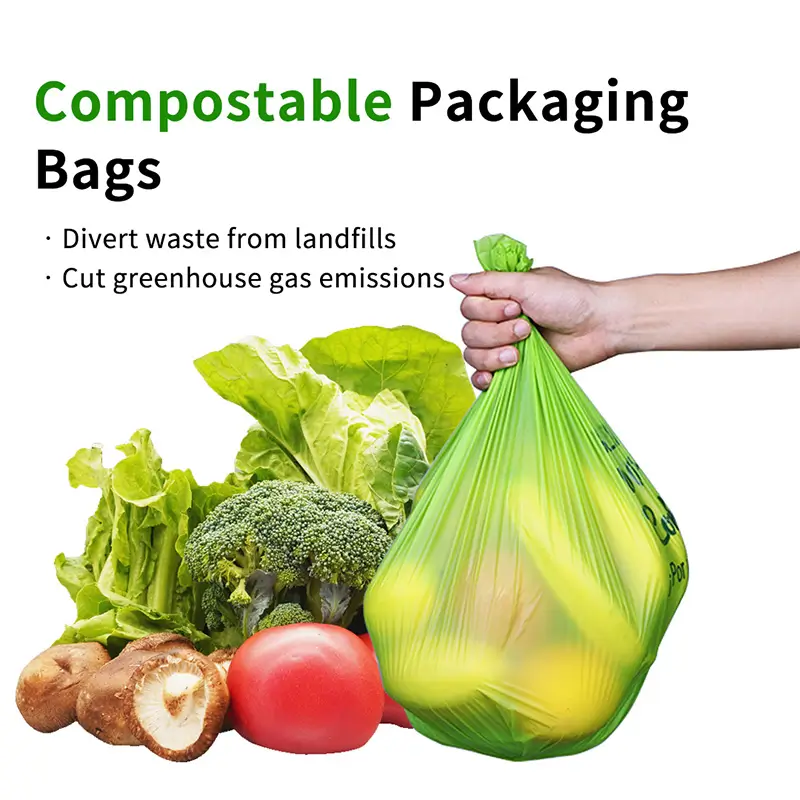
Biodegradable Bags VS. Compostable Bags
Let’s compare the two so you see why choosing compostable bags makes sense.
| Feature | Biodegradable Bags | Compostable Bags |
|---|---|---|
| Definition | Naturally breaks down over an indefinite time. | Breaks down into nutrient-rich compost in a specific timeframe. |
| Conditions | Varies; may need light, air, or specific heat. | Requires specific composting conditions (heat, humidity, microbial activity). |
| Timeframe | Unregulated; can take months, years, or even decades depending on the environment and materials. | Regulated; typically 90 days (industrial) to 180 days (home). |
| End Products | MCO2, water, but potentially microplastics. | Humus (soil), CO2, and water; zero toxins. |
| Certifications | ASTM D6691, ISO 14855, ISO 23517, ISO 19679, ISO 23832. | ASTM D6400 in the US, EN 13432, Ok compost and HOME Ok compost in Europe, AS 4736 and AS 5810 in Australia. |
| Environmental Impact | Can contribute to methane in landfills; may fragment into microplastics; often not truly eco-friendly. | Enriches soil as compost; reduces landfill waste; minimizes methane emissions; often made from renewable resources. |
| Disposal Methods | General waste (not recyclable). | Industrial or home compost bins. |
| Materials Used | Can be made from a wider range of materials, including modified plastics, plant-based materials, and blends. The “biodegradable” claim doesn’t guarantee plant-based origin or compostability. | Typically made from plant-based materials like cornstarch, PLA (polylactic acid), and other renewable resources that are designed to break down in compost. |
Why Choosing Compostable Bags is A Smart Move for Your Business?
Using compostable bags isn’t just better for the environment—it’s also good for your brand. Here’s why:
Meeting Consumer Expectations
More and more customers want to buy from brands that care about sustainability. Showing that your packaging is compostable demonstrates genuine commitment, which builds trust and loyalty.
Boosting Green Credibility
In a market full of green claims, using certified compostable bags shows you’re serious about sustainability. It’s a real way to prove your eco-friendly efforts and stand out.
Supporting Circular Economy
Choosing compostable packaging helps create a system where resources are reused instead of wasted. By turning organic waste into compost, your business contributes to this cycle and tells a compelling sustainability story.
Overall, picking compostable bags is a smart move—beneficial for the environment and your reputation.
Real-World Applications: Where Compostable Bags Shine
Compostable bags aren’t just a theoretical eco-concept; they’re practical and effective in a wide range of applications.
Food Waste Collection with Compostable Bags
Using compostable bags for collecting food scraps in homes, restaurants, and commercial kitchens makes it incredibly easy to divert this organic waste to composting facilities. No need to fuss with messy bins or switch out bags all the time—the whole bag can go directly into the compost bin. This really helps boost recycling and waste reduction.
Retail and Grocery: Compostable Shopping Bags
In stores and grocery shops, offering sturdy, compostable shopping bags shows customers you care about sustainability. They’re strong enough to reuse at home, maybe as trash bags in the kitchen, encouraging more composting and less waste.
Restaurants and Food Service: Takeout and Delivery
Compostable containers and bags for takeout and delivery are gaining popularity as a green alternative to plastic. When combined with composting programs for food waste, these bags make it easier for customers to enjoy eco-friendly dining.
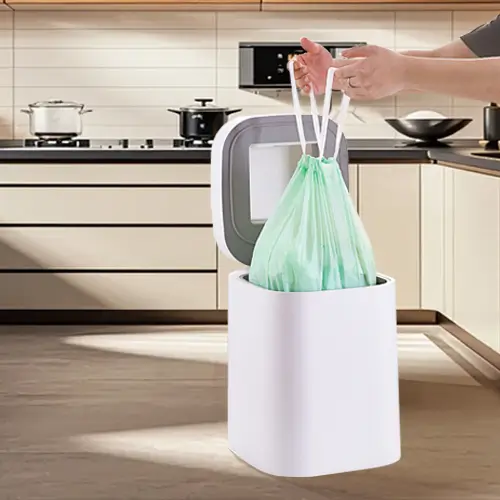
Compostable food waste bags
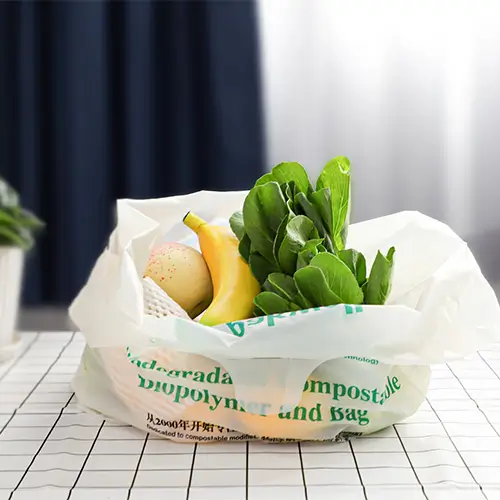
Compostable grocery bags

Compostable takeout bags
Addressing Common Concerns
Compostable Bags are Too Expensive?
Although compostable bags might cost a bit more than plastic bags, the total value is greater.
- Long-term Savings: By diverting waste from landfills, businesses can often reduce landfill tax and disposal fees.
- Brand Equity: Sustainable packaging is a powerful marketing tool that increases customer loyalty, often justifying the price difference.
- Scaling: As demand rises, production costs continue to fall, making these products more competitive every year.
What If I Don’t Have Composting Infrastructure?
It is true that industrial composting isn’t available everywhere yet. However, by choosing compostable bags, you are driving demand.
- Infrastructure Growth: Cities are rapidly investing in organic waste facilities to meet the demand created by businesses like yours.
- Home Composting: Many modern bags are certified for “Home Compost,” allowing customers to manage their own waste in their backyards.
- Leading the Way: Waiting for a “perfect system” prevents progress. Being an early adopter positions your business as a leader in the green transition.
Conclusion
Overall, understanding the difference between biodegradable and compostable bags can make a big impact. While “biodegradable” might sound promising, the truth can be a bit unclear and sometimes even misleading. Compostable bags, however, are really sustainable and come with certifications to back them up—great for managing organic waste and supporting a circular economy.
If you’re a distributor, supplier, or business that wants to make a real difference, choosing compostable bags is the way to go. It’s a smart decision for your businesses and our planet. Let’s move past greenwashing and get serious about sustainability—one compostable bag at a time.