
Every year, the global catering industry generates over 5,000 tons of plastic waste. Most of this waste ends up in landfills, where it not only emits greenhouse gases but also release a large amount of microplastics.
Given this threat posed by plastic waste, compostable bags are becoming a growing trend for sustainability. Whether you are a restaurant operator, a purchasing manager for a chain brand, or a catering entrepreneur, this guide will provide a complete overview of compostable bags for restaurants.

What are Compostable Bags?
Compostable bags represent a promising packaging solution for the food service industry. They are made from bioplastic materials, which can decompose into organic matter (CO₂, water, and humus) in composting facilities. Unlike traditional plastics that contribute to long-term waste, these sustainable bags break down into nutrient-rich soil without leaving harmful chemical residues.
Composting bags are primarily made from the following polymers:
- PLA (Polylactic Acid): Derived from starch-based materials, it is the main component in manufacturing compostable bags.
- PBAT (Polybutylene Adipate Terephthalate): A biodegradable plastic polymer used to enhance the toughness and durability of thin films.
- Corn Starch: Sourced from renewable resources, it allows bags to break down completely without leaving toxic traces.
The Benefits of Compostable Bags for Restaurants
Switching to sustainable bags for your restaurant not only reduces your environmental footprint but also offers economic advantages.
Turn Organic Waste into Fertile Compost
As previously mentioned, compostable bags naturally break down into organic matter. Restaurant food scraps serve as ideal composting materials. Therefore, both the bags and food waste can be transformed into fertile soil through the composting process. The resulting compost enriches soil structure and provides essential nutrients for plants.
Streamline Waste Disposal
When lining trash bins with compostable bags, there is no need to separate recyclable and non-recyclable plastics. All organic waste can be composted together with the bags. This means your staff can simply lift the bags and send them to compost piles. Additionally, these bin liners protect garbage cans from sticky residues, reducing the need for frequent cleaning.
A Compliant Choice
A growing number of countries are implementing plastic bans, such as the EU’s Single-Use Plastics Directive. Using traditional plastic bags not only violates regulations but may also result in administrative penalties. In contrast, compostable plastic bags offer a greener alternative that aligns with sustainable development goals.
Build a Sustainable Brand Image
Using compostable bags demonstrates your commitment to the environment and highlights your restaurant’s efforts toward a sustainable economy. By adopting compostable packaging, you can build greater trust with customers, encouraging loyalty and reinforcing your brand’s reputation. Ultimately, these sustainable choices can position your restaurant as an industry leader.
Compostable Bag Solutions for Restaurant Scenarios
Now that we’ve explored the benefits, let’s examine the types of bags available for different needs.
Compostable Trash Bags
Compostable trash bags play a key role in the kitchen. They are ideal for collecting vegetable scraps, fruit peels, eggshells, leftovers, and more. These bags and bins can also be placed in public areas such as restrooms, dining halls, and private rooms.
Compostable Take-Out Bags
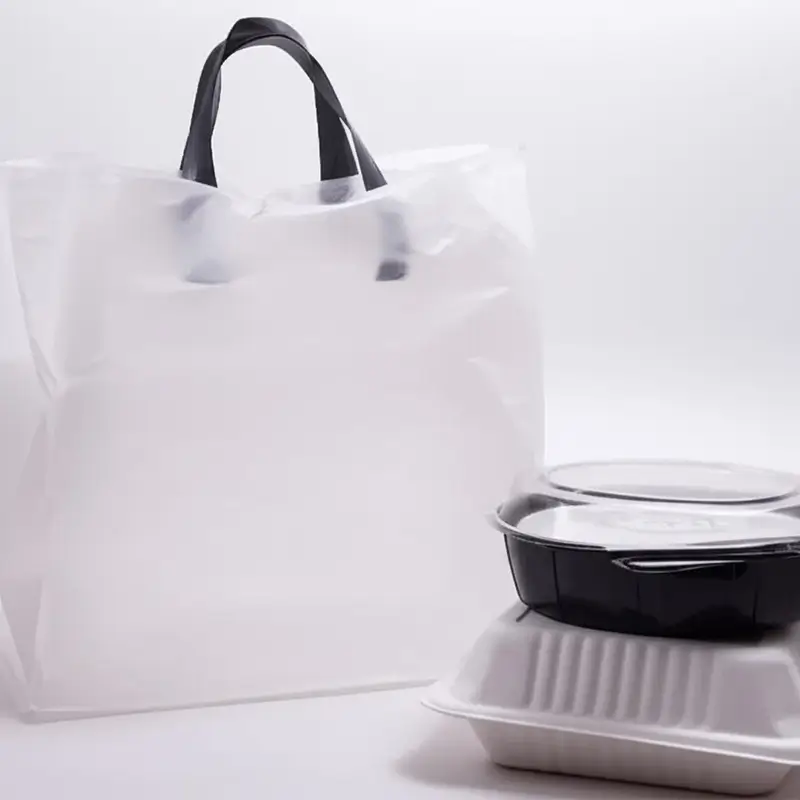


When customers need to pack their meals to go, offering compostable take-out bags adds value to your service. Designed to be strong and reliable, these bags securely carry food containers. If your restaurant offers takeout services, durable and eco-friendly packaging is essential to ensure meals are transported safely.
However, a common concern for many business owners remains: can these eco-friendly materials truly withstand the weight of multiple containers or bulkier items? To help you make an informed choice, we’ve put them to the test in our latest analysis: Can Compostable Takeout Bags Handle Heavy Orders?
Compostable Food Service Gloves
Compostable disposable gloves are perfect for handling food preparation, cooking, and seasoning. They protect kitchen staff from grease, spices, and other ingredients. For customers eating handheld foods like pizza, burgers, or barbecue, compostable gloves provide a safe and worry-free solution.
Compostable Food Storage Bags
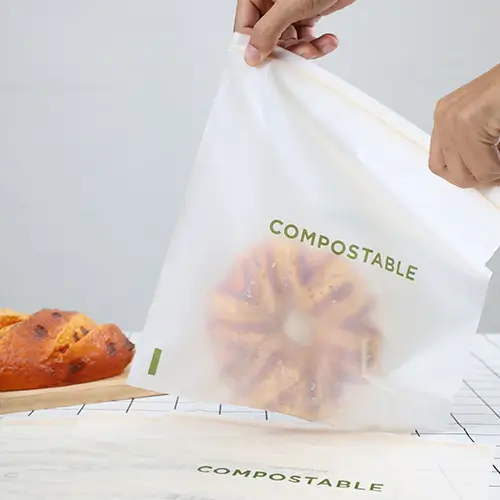
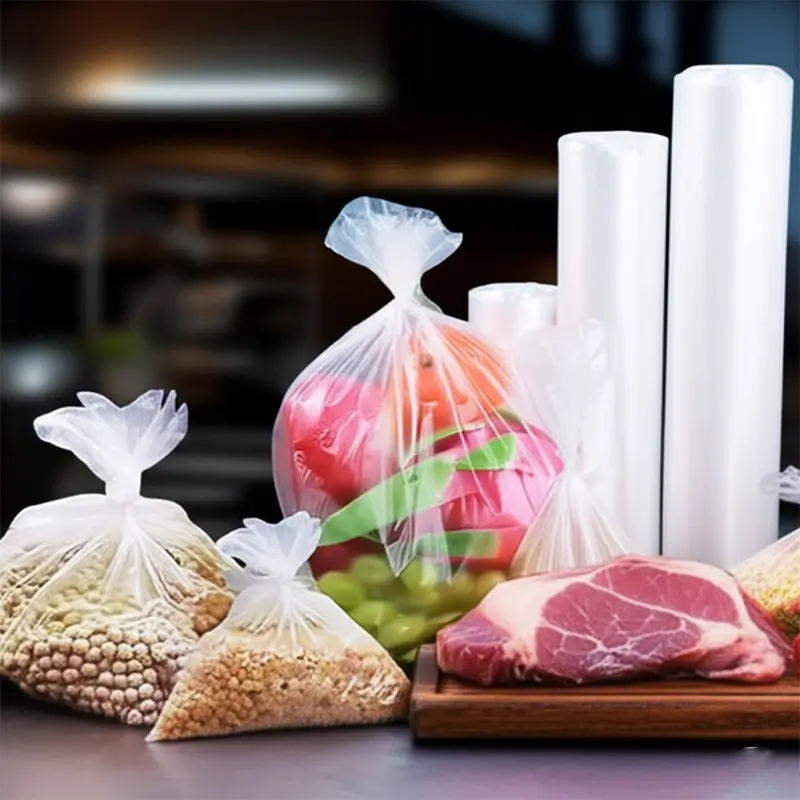
Resealable or flat food storage bags offer practical solutions for keeping ingredients fresh. These freezer bags can extend the freshness of food for several days (typically 2–3 days). Meanwhile, they act as a barrier to prevent flavors from mixing between different items.
How to Make the Switch to Compostable Bags
Assess Your Packaging Needs
The first step in transitioning to compostable packaging is to evaluate your current usage. Identify areas in your kitchen, storage, counters, or dining spaces where bags are needed. Considering your operational costs, prioritize using biodegradable compost bags in key areas to maximize both environmental and economic benefits.
Educate Your Staff
Once you introduce biodegradable bags, your staff will be the primary users. Therefore, it’s important to educate them about the properties of compostable materials, including shelf life and proper usage.
Partner with a Reliable Supplier
At Longxin, we provide customized and wholesale solutions for businesses embracing sustainability. Explore our wide range of packaging bags at biopakbag.com.
Promote Your Commitment to Sustainability
You can print messages on bags to highlight their compostability and role in building a greener future. Furthermore, share your sustainability efforts on your website, social media platforms like Instagram, and other digital channels. Displaying informative cards at the counter about your compostable packaging can also leave a lasting impression on customers.
Consider the Dispose of Used Bags
All premium compostable bags are certified industrially compostable, with some types suitable for home composting. The best approach is to collaborate with local composting facilities or organic waste recycling services. If such facilities are unavailable in your area, dispose of used bags in organic waste bins.
The Future of Compostable Bags
As technology advances, compostable bags will continue to improve in performance. Moreover, consumers are increasingly willing to pay more for sustainable options, indicating a promising and expanding market ahead.
Are you ready to move away from traditional plastic bags and switch to biodegradable, compostable alternatives? Contact our sales team today—we’ll help you make an informed decision quickly.