
Introduction
Imagine your fields without constant weeding, with less water vanishing into the air and warm soil for optimal crop growth. This is the magic that farmers are tapping into with mulch film. Also referred to as agricultural film or plastic mulch, it is a thin layer of plastic laid over the soil surface or used in greenhouses.
However, with the continuous advancement of agriculture, the environmental concerns associated with traditional mulching films have become increasingly prominent. That pristine field today could be hiding a legacy of plastic fragments tomorrow—not exactly the future any of us dreamed about.
This guide will explore the various types of agricultural mulch films, their benefits, and the environmental challenges they pose. Whether you’re getting your hands dirty every day, running an agricultural business, fighting for a greener planet, or shaping policy, understanding this tool is key to growing a better future.
Benefits of Agricultural Mulch Film
Agricultural mulch film is a vital tool in modern agriculture due to its numerous benefits:
Increased Crop Yields
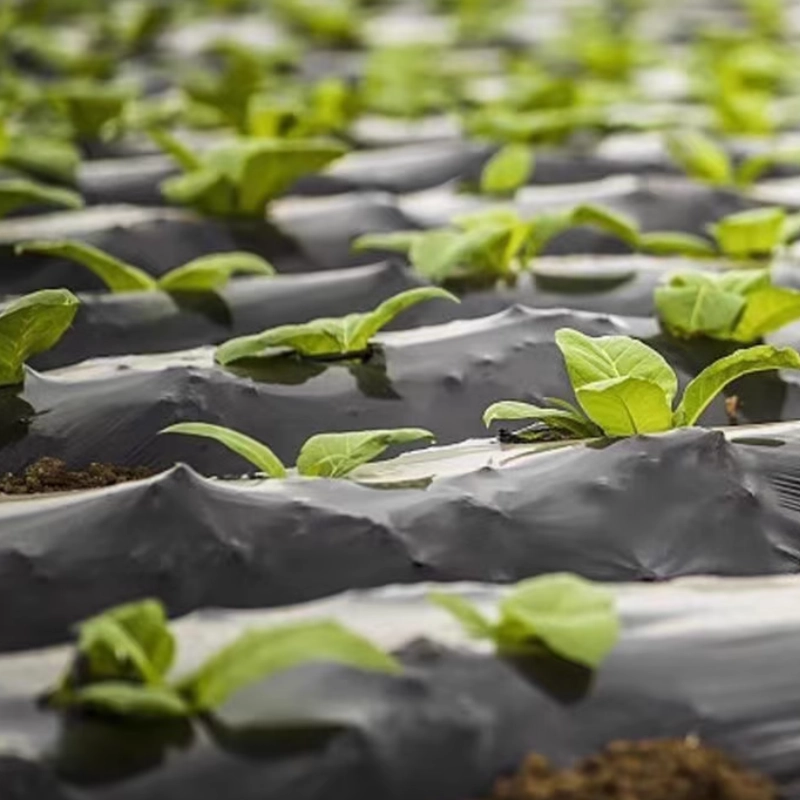
Imagine covering your seeds with a heating pad. Dark-colored mulching film absorbs sunlight, warming the soil underneath—sometimes by 5–10°F (3–6°C) or more. This warmth raises soil temperature and extends the growing season, especially in cooler climates. A longer growing time usually means more food on the table or more produce headed to market.
Plastic mulching film, particularly opaque black film, acts like a light-blocking shield. Weeds can’t get the sunlight they need to sprout and thrive. With fewer weeds competing for water and nutrients, your crops get the lion’s share. You’ll also spend less time battling weeds and more time managing thriving plants. Fewer weeds plus optimal resources equal bigger harvests.
Resource Conservation
By creating a physical barrier on the soil, agricultural plastic film greatly reduces water loss through evaporation. This means you don’t have to irrigate as frequently or in large quantities. Mulching films in agriculture also inhibit weed growth, which reduces the need for herbicides and saves on chemical application costs.
Frost Protection & Soil Structure Saviors
On chilly nights, mulch film acts as a slight insulator, offering protection to tender young plants against light frosts. It also shields soil from pounding rain, reducing soil compaction and erosion. By preventing heavy droplets from directly hitting the soil surface, it helps maintain better soil structure over time. Healthier soil structure means better root growth and improved water infiltration. It’s like giving your soil a protective raincoat.
Economic Benefits
Higher crop yields and reduced resource inputs ultimately translate to greater economic returns. Agricultural mulch films enhance the market competitiveness of agricultural products and improve farmers’ incomes.
A Spectrum of Choices: Types of Mulch Film
Selecting the appropriate agricultural mulch is vital, as numerous types cater to diverse agricultural needs and environmental conditions. Here are the most common categories:
Conventional Plastic Mulch
Traditionally made from polyethylene (PE), this type is known for its affordability and effectiveness in moisture and heat retention. Farmers use PE mulching film for various open-field crops to increase soil temperature, maintain soil moisture, and suppress weed growth.
Polyethylene is incredibly durable—and that’s the problem. It doesn’t truly biodegrade. At the end of the season, you’re faced with a mess of dirty, tangled plastic mulching film that’s a nightmare to remove. Left in the field, it fragments into smaller and smaller pieces but never truly disappears. This “white pollution” litters fields, clogs machinery, harms wildlife, and degrades soil health. The cleanup and disposal costs add up fast.
Degradable Mulch Film
Driven by environmental concerns and regulations, new types of mulch film designed to break down have emerged. Developed to address the environmental issues of conventional films, degradable mulch films primarily fall into two categories:
- Oxo-degradable Mulch Film: These films are usually conventional PE plastic with special additives mixed in. The idea is that sunlight (UV radiation) and oxygen trigger the plastic to become brittle and fragment into tiny pieces. However, they may still leave behind microplastics. These microplastics pollute the soil, can be absorbed by plants, potentially enter the food chain, and harm soil organisms. So some experts argue oxo-degradable is more of a greenwashing term than a real environmental solution.
- Biodegradable Mulch Film: Made from bio-based polymers, these films can completely break down into carbon dioxide, water, and biomass by soil microorganisms, making them more environmentally friendly. The common materials include PLA, PBAT and starch blends. This type of film offer a genuine path away from plastic pollution.
Problems and Challenges
The environmental issues of traditional agricultural mulch films are significant constraints on sustainable agricultural development.
White Pollution
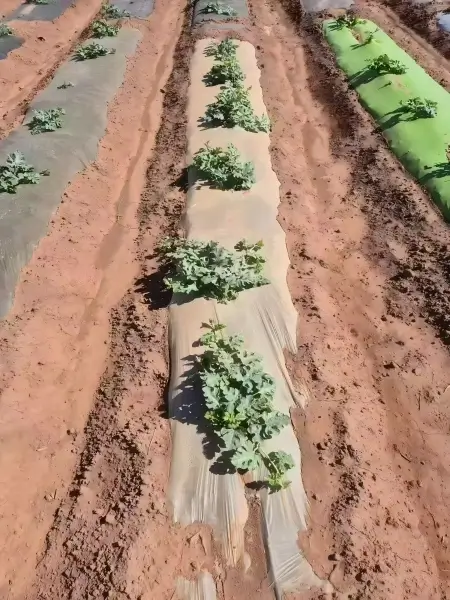
Walk through fields after harvest in regions reliant on traditional plastic mulch, and you’ll see it – scraps of plastic snagged on fence posts, partially buried fragments glinting in the sun, tangled wads clogging drainage ditches. All of these will interferes with tillage, damage expensive planting and harvesting equipment, blocks water flow, and creates a breeding ground for pests. Removing it is labor-intensive and costly. It’s a visual and practical blight on the landscape.
Microplastic Issues
Even when you think you’ve cleaned up, you probably haven’t gotten it all. Over years, exposed to sun, wind, and rain, conventional plastic mulch breaks down into smaller and smaller pieces – microplastics (less than 5mm) and even nanoplastics.
These tiny particles infiltrate the soil. Research shows they can be taken up by plant roots, potentially ending up in the food we eat. They alter soil structure, reduce water infiltration, and harm beneficial soil microbes and earthworms – the very foundation of healthy soil. This invisible contamination might be the most insidious legacy of traditional agricultural film.
Difficult Recycling
You might think, “Why not just recycle it? In practice, it’s a logistical and economic disaster. After months in the field, mulch film is covered in dirt, mud, plant debris, pesticides, and fertilizers. Cleaning it to a standard suitable for recycling is incredibly difficult and expensive. Most standard recycling facilities aren’t set up to handle thin, dirty agricultural plastic. Collection infrastructure in rural areas is often nonexistent. The result? A tiny fraction gets recycled. The vast majority ends up buried on the farm, burned (releasing toxic fumes), dumped in landfills, or worse, left in the environment.
Soil Suffocation
Beyond the plastic fragments, layers of old, partially buried mulch film physically smother the soil. They create barriers that prevent air and water from moving freely. This suffocates plant roots and disrupts the natural gas exchange crucial for healthy soil biology. Water pools on top or runs off instead of soaking in, leading to poor drainage and potentially increasing erosion elsewhere. Over time, this degrades the very resource farmers depend on – fertile, well-structured soil.
Sustainable Solutions: Certified Soil-Biodegradable Mulch Film
Faced with the mounting problems of traditional plastic, the development and adoption of genuine biodegradable mulch film isn’t just a nice idea; it’s becoming a necessity for sustainable farming. But how does it work, and how can you be sure it’s legit?
How Does Biodegradable Mulch Film Actually Work?
The magic of biodegradable mulch film happens thanks to nature’s tiny recyclers: microorganisms in the soil. Fungi and bacteria recognize the bio-based materials (like PLA or PBAT) in these films as a potential food source. They secrete enzymes that break down the complex polymer chains into smaller molecules. These smaller molecules are then absorbed by the microbes and used for energy or to build their own cells. The end products are primarily carbon dioxide (released to the air), water, and new microbial biomass (essentially compost). It’s a natural process, similar to how leaves or wood decompose. The film doesn’t just vanish; it gets transformed by the soil ecosystem.
Choosing degradable mulch films certified by reputable organizations is crucial. Common international certification standards include:
- EN 17033: The European standard for the degradability of mulch film.
- ISO 23517: International standard, focusing on ecotoxicity and degradation rate.
Selecting films with these certifications ensures their effective degradation under specific conditions, minimizing long-term environmental impact.
Key to Performance: Performance Indicators of Agricultural Mulch
Beyond environmental considerations, evaluating the performance indicators of agricultural mulch is essential for making the right choice:
- Mechanical Strength: Including tensile strength and puncture resistance, this directly impacts the film’s durability during laying and use.
- Water Vapor Transmission Rate: A critical indicator for moisture retention, this needs to be selected based on the crop’s water requirements and climate conditions. Biodegradable mulch films can be engineered with different WVTR levels. Match this spec to your local climate and your crop’s water needs.
- Degradation Rate: You need it to stay intact and functional for the entire growing season – suppressing weeds, conserving moisture, and warming the soil. But ideally, you want it to start breaking down soon after harvest when you till it in. If it degrades too early, you lose its benefits prematurely. If it degrades too slowly, you might have fragments interfering with the next planting. High-quality certified films are designed to maintain integrity during the crop cycle and then degrade predictably afterward.
A Sustainable Future for Agricultural Mulch
Agricultural mulch has played a significant role in enhancing agricultural productivity, but it has also presented serious environmental challenges. Looking ahead, the future of agricultural mulch lies in sustainability. Biodegradable mulch films are key to addressing traditional plastic pollution.
Choosing environmentally friendly solutions is not only a responsible action towards the planet but also an essential step towards achieving sustainable agricultural development. We urge farmers, agricultural businesses, and related industries to actively explore and adopt sustainable agricultural mulch products and technologies to collectively build a green and healthy future for agriculture.
FAQ (Frequently Asked Questions)
Q: How to Select the Right Agricultural Mulch?
A: Choosing the appropriate agricultural mulch requires careful consideration of the following factors:
- Crop Type and Growth Cycle: Different crops have varying needs for soil temperature, moisture, and light, and their growth duration dictates the required degradation time of the film.
- Climatic Conditions: Local temperature, humidity, rainfall, and other climatic factors will affect the performance of the mulch film.
- Budget and Sustainability Goals: Balance economic costs with environmental benefits to choose a film that aligns with your budget and sustainability objectives.
- Product Certifications and User Reviews: Opting for products with reputable certifications and positive user feedback can mitigate the risk of choosing an ineffective film.
Q: Is Conventional Plastic Mulch Always Cheaper?
A: The price of agricultural mulch is influenced by several factors, including the type of material, thickness, color, degradability, and the manufacturer.
Conventional Mulch Film typically has the lowest initial cost, making it an economically attractive option for short-term agricultural production.
Degradable Mulch Films generally cost more than conventional films, with biodegradable options often being pricier due to more complex production processes and raw material costs.
However, when evaluating the cost of agricultural mulch, it’s crucial to look beyond the initial purchase price. In the long run, choosing sustainable degradable mulch films can reduce the expenses associated with the removal and disposal of waste plastic, and minimize long-term environmental damage, representing a more economically and socially responsible investment.
Q: What is the Difference Between Different Colors of Agricultural Mulch?
A: Different colored films have varying light transmission and heat absorption properties, influencing soil temperature and crop growth.
- Black Mulch Film: Primarily used for effective weed suppression while also offering good soil warming and moisture retention.
- Clear Mulch Film: Provides the highest soil temperature increase, suitable for early spring or cooler regions. However, it allows weed growth, often requiring additional weed management strategies.
- Silver Mulch Film: Known for its ability to repel pests like aphids and reflect sunlight, potentially enhancing photosynthesis in crops.