
Introduction
If you are in the business of manufacturing cups, plates, or takeout containers, you will surely feel that the situation is undergoing significant changes. The days of relying solely on traditional plastic materials are numbered, and your clients—coffee shops, restaurant chains, and food distributors—are screaming for “green” alternatives.
The PLA lining provides a sustainable solution for the packaging industry. In this article, we will explore what PLA lining is, how it is made, and why it might just be the savior that your production line has been waiting for.
What is PLA Lining?
What is PLA?
PLA stands for Polylactic Acid. It is a bioplastic, born from renewable biomass, unlike traditional plastics that are born from crude oil and ancient fossils. PLA looks like plastic, acts like plastic, but it doesn’t carry the heavy environmental baggage of petroleum-based polymers.
From Plant to Polymer: How It’s Made
To create PLA lining, we don’t drill into the earth; we harvest from it.
The process starts with plants that are rich in starch.
- Corn (the most common source, especially in the US).
- Cassava
- Sugarcane
- Sugar beet pulp
Manufacturers take these plants and mill them to extract the starch. The starch is then fermented to produce lactic acid. Through a process of polymerization, that lactic acid is turned into a resin—Polylactic Acid.
The “Lining” Aspect: Replacing Polyethylene
So how does it become PLA lining?
If you take a raw paper cup—just pure paper board—and pour hot coffee into it, you know what happens. Paper is porous. Within minutes, that cup is a soggy mess on your desk.
For decades, the industry solved this by coating paperboard with Polyethylene (PE), a petroleum-based plastic. It worked great for waterproofing, but it was a nightmare for the planet because it made the paper nearly impossible to recycle or compost.
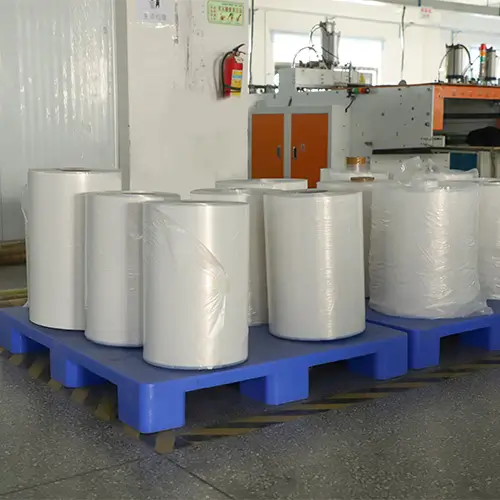
PLA lining replaces the traditional ones. The PLA resin is melted down and extruded as a super-thin film onto the paperboard. This creates a sustainable PLA lining that acts as a fortress against leaks, grease, and moisture, all while keeping the product plant-based.
Advantages of PLA Lining
Why we switch to PLA coating? Well, aside from saving the planet, there are some tangible benefits.
Renewable & Sustainable Origins
PLA lining comes from plants, and plants grow back. Every time you use a barrel of oil for PE lining, it’s gone forever. Every time you harvest corn for PLA, you can plant more next season. It’s a cycle, not a drain.
Lowering the Carbon Footprint
Manufacturing implies emissions; that’s just a fact of life. However, producing PLA lining emits fewer greenhouse gases compared to conventional plastics. Depending on the study you read, the carbon footprint reduction can be massive. By using PLA lining, you are actively lowering the total carbon emissions associated with your product line. That is a selling point you can put right on the box.
Compostability
PLA lining is biodegradable under the right conditions. When disposed of correctly, it turns into water, carbon dioxide, and biomass—nutrient-rich soil that can help grow the next batch of corn. It closes the loop.
Consumer Safety
Because it’s derived from food-grade starches, PLA lining is generally recognized as safe. It doesn’t leech weird chemicals. Consumers are getting pickier about what touches their food, and being able to say your packaging is “plant-based” and “non-toxic” as a huge trust signal.
PLA Lining for Food and Beverage Packaging
Why Do We Need Plastic Linings in Packaging?
Plain paper is naturally porous and structurally weak, absorbing liquids quickly. Without a lining, paper cups or bowls would become soggy, leak, and collapse within minutes.
Think about your customer’s commute: that coffee needs to last 20 minutes. A plain paper cup wouldn’t even make it out of the parking lot.
That’s why linings are crucial—they provide the structural integrity needed for reliable takeaway use.
Performance Properties
“Eco-friendly” doesn’t mean “lower quality.” PLA coating has excellent performances.
- Moisture Resistance: Whether it’s a latte or a soda, PLA lining creates an impermeable barrier. It locks the liquid inside the vessel. No leaks, no dripping seams.
- Grease and Fat Resistance: If you’re packaging a burger, fries, or a salad with an oily vinaigrette, you cannot have grease spotting on the outside of the bowl. It looks gross and ruins the customer experience. PLA lining repels oils and fats just as well as traditional plastic, keeping the container looking crisp and clean.
- Flavor Neutrality: Have you ever drank water from a cheap plastic bottle that sat in the sun? It tastes like… plastic. PLA lining is flavor-neutral. It respects the food. It ensures that the coffee tastes like coffee and the soup tastes like soup. It doesn’t interfere with the palate.
Applications of PLA Lining in the Industry
Hot & Cold Cups
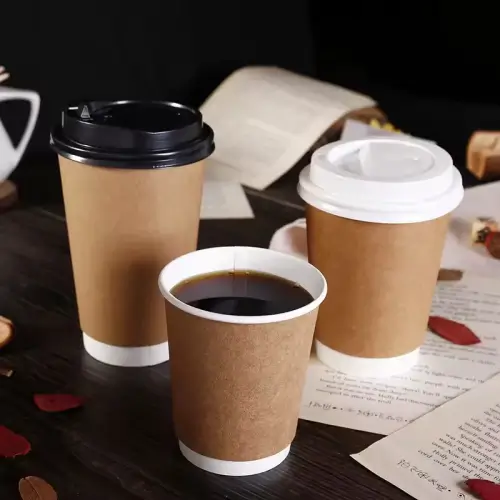
Coffee cups, tea cups, and cold drink cups are prime real estate for PLA lining. It handles the liquid, keeps the paper stiff, and feels premium in the hand.
Takeout Containers and Salad Bowls
Kraft bowls are all the rage right now. You see them at every hip salad bar. Those brown bowls are usually lined with PLA coating to prevent the dressing from soaking through the bottom.
Fast Food Packaging
Sandwich wedges, burger clamshells, and fry cups usually deal with heat and steam. PLA lining stops the steam from turning the paper into mush, keeping the food warmer and the package intact.
Ice Cream Tubs
Frozen desserts are tricky and they often melt. A PLA lining acts as a moisture barrier, ensuring that even as the ice cream softens, the tub doesn’t disintegrate.
Conclusion
PLA lining offers a plant-based, performance-equivalent alternative to traditional plastic linings. But it’s not just a coating; it’s a bridge to better future for the packaging industry.
The market is moving away from fossil fuels. By adopting sustainable PLA linings, you aren’t just following a trend; you’re future-proofing your business.
If you are a manufacturer, the time to audit your supply chain is now. Switch to PLA-lined products and make sure to dispose of these things correctly so they can actually do the good they were designed to do.
FAQs
Are PLA-lined paper cups safe for hot drinks?
Yes, they are safe, but they have temperature limits. Standard PLA lining typically handles temperatures up to 60-70°C (140-158°F).
For boiling hot liquids (above 75-80°C), CPLA (Crystallized PLA) or double-wall construction is often recommended to prevent the lining from deforming or the cup from becoming too soft.
Can PLA-lined packaging container be composted at home?
Generally, no. PLA requires specific conditions to break down (temperatures above 60°C/140°F plus specific humidity and microbial levels). These conditions are usually only found in Industrial/Commercial Composting Facilities.
How long does it take for PLA lining to decompose?
It depends entirely on where it ends up.
- Industrial Composting: In a proper facility with high heat and moisture, PLA lining can break down in as little as 45 to 90 days.
- Landfill: If you throw it in the trash, it will likely stay there for decades or centuries, just like regular plastic. It needs air and heat to break down, which landfills lack. This is why proper disposal education is key!