
Have you ever wondered what biodegradabe bags are actually made of? The secret lies in some prettly clever science and a handful of key ingredinents.
We will talk about the primary raw materials for biodegradable plastic bags: PLA, PBAT and cornstarch. Understanding these materials is the first step for any business or conscious consumer looking to make a genuinely sustainable choice.
Let’s break down what these materials are and how they blend together to create the biodegradable plastic bags.
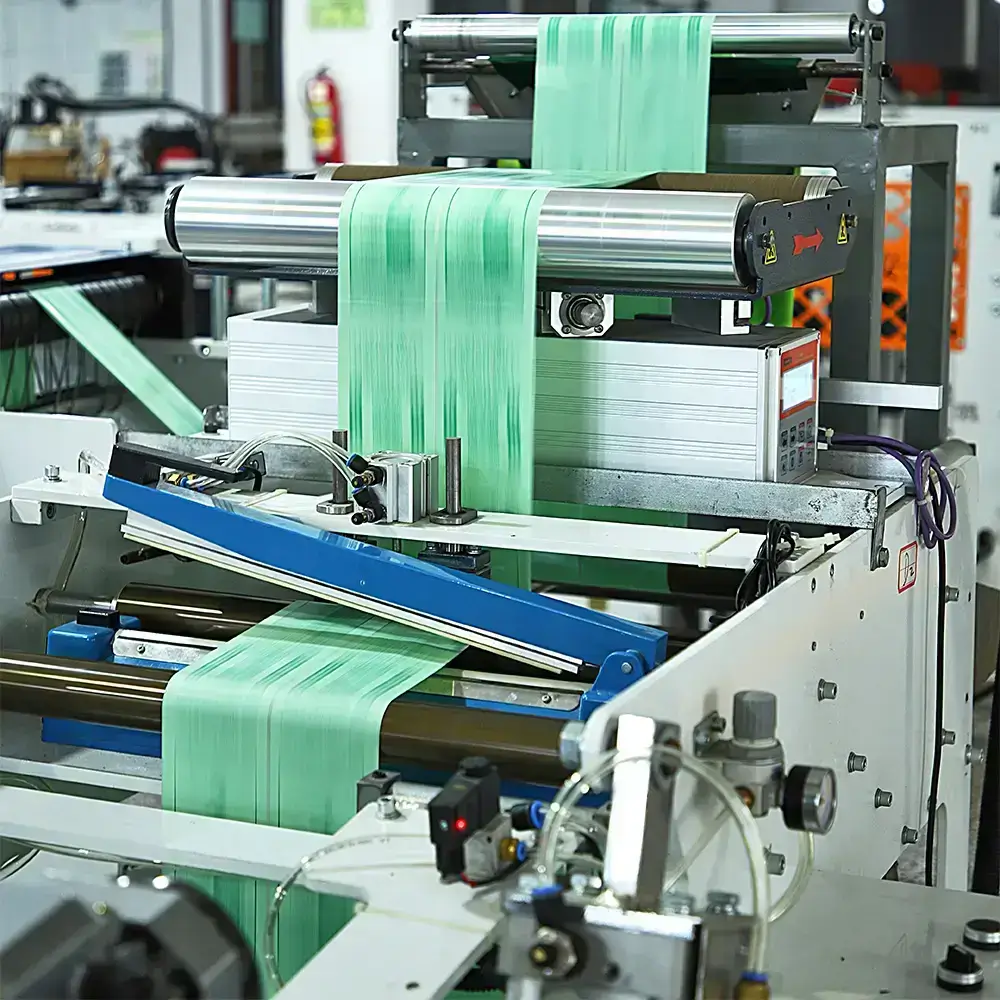
PLA (Polylactic Acid)
PLA is stands for Polylactic Acid. It is a bioplastic, made from renewable, plant-based resources (like corn or sugarcane). Due to the stability of heat, its processing temperature can reach up to 170—230℃.
But what does that actually mean for a bag?
Key Characteristics of PLA
- Born from Nature: Because it comes from plants, its production generally has a smaller carbon footprint than traditional plastics.
- Strong: PLA is quite rigid, which gives the bags structure. It’s not flimsy, which is a common complaint with some eco-friendly alternatives.
- Good Gloss and Transparency: PLA naturally creates a crystal-clear plastic film, which is used to form transparent produce bags or bakery bags.
- Compostable: PLA is designed to break down. But it performs best in an industrial composting facility where things get nice and toasty. Tossing it in your backyard compost pile might not give you the quick results you’re hoping for. It needs specific conditions to really work its degradation process.
So, while PLA is fantastic, it can be a bit brittle in its own. It’s like a cracker—strong, but snap it the wrong way, and it breaks. That’s where our next ingredient comes in to save the day.
PBAT (Polybutylene Adipate Terephthalate)
Now, let’s talk about PBAT. This one’s a bit different. While it is fully biodegradable and compostable, its origins are in petroleum.
PBAT is engineered to be biodegradable. Its chemical structure is designed to be broken down by microbes in the soil. Think of it as the flexible, go-with-the-flow partner to PLA’s rigidity.
Key Characteristics of PBAT
- Flexible and Tough: It gives bags the stretch and durability we expect. No more worrying about the bag splitting open when you load it up with groceries.
- Good Compatibility: PBAT blends beautifully with PLA. It’s the perfect ingredient to create a bioplastic compound that has the best of both worlds—the plant-based foundation of PLA and the resilience of PBAT.
- Breaks Down Completely: Just like PLA, PBAT is also compostable. When you put them together, you can get a material that doesn’t just disappear, it turns back into biomass, carbon dioxide, and water.
On its own, PBAT is too soft. But when blended with rigid PLA, they balance each other out beautifully. It’s a match made in materials science heaven, creating a compound that is both strong and supple.
Corn-Starch Based Materials
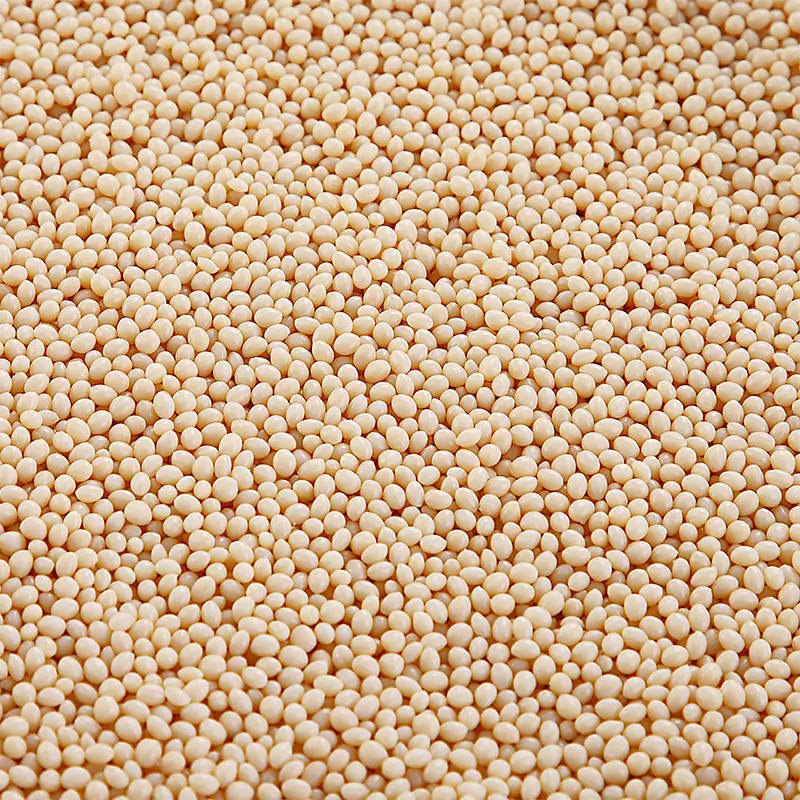
Corn-starch, a material we all know from our kitchens, is a cornerstone of this whole process. It’s not just a filler; it plays a couple of really important roles.
The Role of Corn-Starch
- Based Material for PLA
Remember how we said PLA comes from fermented plant starch? Well, more often than not, that starch comes from corn. The corn is processed to extract the starch, and then converted into the sugar that gets fermented to produce lactic acid, the building block of PLA. It’s a bit of a journey, but it all starts with a humble kernel of corn.
- Enhancing Biodegradability and Reducing Cost
Sometimes, untreated or modified corn-starch is added directly to the PLA/PBAT blend as a filler. This serves a brilliant dual purpose: it acts as an additional food source for microbes, accelerating the breakdown process, and it dilutes the more expensive plastic polymers, making the final product more cost-effective. It’s a practical win-win.
The Manufacturing Process: From Pallets to Bags
The manufacturing of biodegradable plastic bags typically involves the following steps:
- Material Compounding: Tiny pellets of PLA, PBAT and corn-starch are mixed in a specific ratio. A 60% PLA to 40% PBAT blend is common, but it can be tweaked to make a stiffer or more flexible bag. This is a critical step to achieve the desired properties of flexibility, strength, texture and biodegradability.
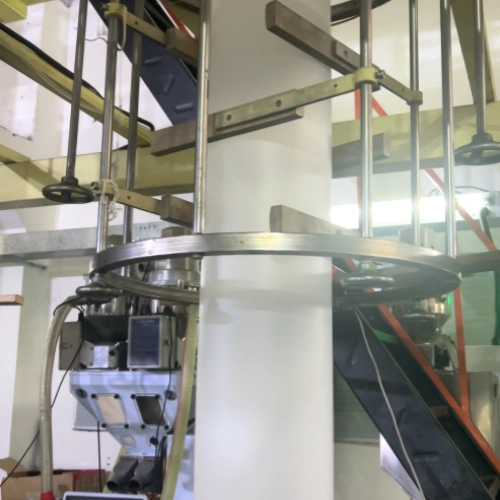
- Extrusion: The blended pellets is then fed into an extruder, where it is heated and melted. The molten plastic is then forced through a circular die to form a continuous tube of thin film.
- Bag Making: The plastic film is then cooled, cut to the desired size, and sealed to create individual bags. Handles, gussets, zippers, and prints are all added at this stage.
The Finished Products of Biodegradable Raw Materials
The versatility of this bioplastic compound is one of its greatest strengths. It’s not just for one type of bag. Businesses can source a whole range of products made from these materials, including:
- Compostable plastic film for packaging
- Compostable waste bags for organic collection
- Compostable t-shirt bags for retail
- Compostable die-cut handle bags for shopping
- Compostable ziplock bags for food storage
- Compostable self-adhesive bags for shipping and packaging
The possibilities are pretty much endless, allowing businesses to make a sustainable switch across their operations.
Conclusion
The combination of PLA, PBAT and corn-starch allows manufacturers to create biodegradable plastic bags that are both functional and more environmentally responsible. PLA provides a rigid, plant-based structure, PBAT imparts necessary flexibility and durability, and corn-starch serves as a key renewable component.
While challenges remain, particularly concerning the conditions required for biodegradation, these innovative materials represent a significant step forward in the journey towards a more sustainable future with less plastic pollution.
Frequently Asked Questions
Not all of them, but this conbination is one of the most common and effective blends. The specific ratio of these blendings for biodegradable plastic bags can be adjusted to create bags with different properties, like extra strength or flexibility, depending on their intended use.