
From warehousing to global logistics, stretch film is essential for securing goods. However, traditional plastic wrap comes with a high environmental cost. It doesn’t biodegrade. Instead, it breaks down into microplastics that contaminate our soil and water.
For modern businesses, traditional plastic is no longer just an environmental concern—it’s a financial liability. With rising landfill taxes, stricter plastic bans, and eco-conscious consumers, the shift toward sustainable alternatives is moving faster than ever.
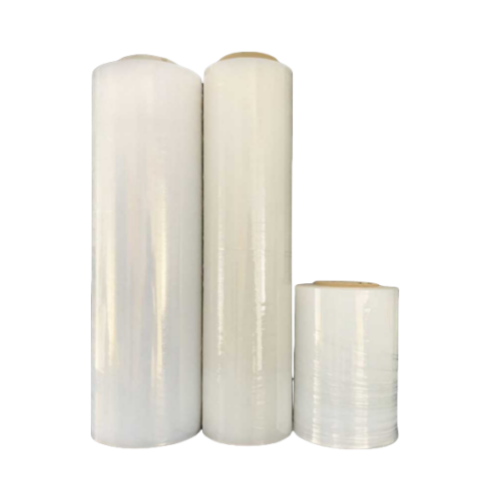
What is Compostable Stretch Film?
So, what’s the alternative? Compostable stretch film is the eco-friendly alternative to petroleum-based pallet wrap. Designed to reduce landfill waste, this innovative material is made from plant-based polymers (like PLA or PBAT).
How is it Manufactured?
These raw materials are processed using professional blown film or cast film machinery. The result is a high-performance thin film, wound onto core rolls, ready for use in manual or automated wrapping systems.

Why Choose Compostable Over Traditional Plastic?
The biggest advantages of compostable film is its “end-of-life” process. While traditional plastic stays in landfills for centuries, compostable stretch film is designed to return to the earth.
- Zero Microplastics: Unlike “oxo-degradable” plastic, these films leave no toxic residues.
- Industrial Composting: When sent to industrial composting facilities, the film breaks down within 90 to 180 days.
- Nutrient-Rich Output: Microbes transform the film into water, carbon dioxide, and nutrient-rich compost.
Switching to compostable stretch film helps businesses lower their carbon footprint, avoid “plastic tax” penalties, and meet the demands of the green economy. It’s a simple change that delivers a massive impact on global sustainability.
Compostable Stretch Film for Various Industries
Here’s how compostable stretch film transforms operations across sectors.
1. Food & Beverage
In the food industry, compostable pallet wrap offers a non-toxic packaging solution. The plastic wrap eliminates the risk of microplastic contamination during handling.
Unlike traditional plastics, if the film tears, it poses no chemical risk to produce, dairy, or baked goods. Due to the film’s biodegradability, warehouses can divert packaging waste alongside organic food waste to industrial composting facilities.
A California organic distributor reduced packaging waste by 18 tons every year after switching. So the pallet wrap for food and beverage sectors makes a commitment to circular economy.

2. Pharmaceutical & Healthcare
The pharmaceutical sector demands the highest standards of hygiene. Compostable film is an ideal partner for cold chain logistics and medical shipping.
- Cleanroom Friendly: Eliminates the risk of persistent plastic fragments entering sterile environments.
- Safe for Sensitive Goods: Provides secure stabilization for temperature-controlled medicines and lab supplies.
- Responsible Innovation: Allows life-saving brands to protect their products without contributing to long-term environmental pollution.
3. E-commerce
While consumers see the cardboard box, the “hidden” plastic waste happens in fulfillment centers. Compostable wrap allows e-commerce giants to extend their “green” promises beyond the doorstep and into the warehouse. The stretchable feature ensures that pallet wrap can securely stabilize pallets stacked with individual orders.
4. Manufacturing
Sustainability should begin at the point of origin. Whether it’s electronics, furniture, or automotive parts, compostable film secures goods without the environmental guilt. It provides the same puncture resistance and load stability as traditional stretch wrap.
5. Retail
Retailers handle massive volume of plastic wrap at distribution centers. Switching to compostable pallet wrap tackles this massive stream of plastic wrap used to move stock from trucks to shelves. Therefore, retailers can honestly communicate their eco-friendly values to shoppers, backed by concrete action in their supply chain.
6. Logistics
Third-party logistics (3PL) providers handle millions of pallets daily. Small changes here lead to a “seismic shift” in global plastic reduction. As manufacturers and retailers move toward “Net Zero,” logistics providers who offer compostable wrapping gain a competitive edge. Most importantly, compostable films are often designed to work with automated high-speed wrapping machines.
7. Cosmetics & Personal Care
For brands selling organic shampoos or luxury skincare, traditional plastic wrap creates a “brand contradiction.” Compostable stretch film provides the high-performance protection for valuable, delicate products during shipping and storage. At the same time, it perfectly aligns with brand values centered on natural wellness and environmental care. It eliminates the jarring contradiction that “natural” products are wrapped in fossil-fuel plastics.
Furthermore, for brands fighting microplastics (like those in exfoliants), using sustainable packaging film throughout their supply chain reinforces their commitment to eliminating plastic pollution. This is a key component in creating a truly clean, green, and premium brand experience.
8. Agriculture
In the agriculture sector, compostable film complements the natural life cycle of the products it protects. The used film can be processed alongside agricultural waste, eventually returning to the soil as nutrient-rich compost. In addition, these certain compostable blends allow for better moisture regulation for live plants and nurseries.
Conclusion
Compostable stretch film isn’t just a feel-good story; it’s a high-performing, practical, and increasingly essential sustainable solution for various industries. It offers a powerful way to slash plastic waste, meet demanding regulations, enhance your brand, and contribute to a circular economy.
Ready to stop contributing to the plastic problem and start wrapping your success in sustainability? Explore the potential of compostable pallet wrap today. It’s an investment in your operational efficiency, your brand reputation, and the planet’s future.

Compostable hand stretch film

Compostable machine stretch film

Compostable bundling stretch film