
Introduction
With the growing concern about plastic waste, eco-friendly alternatives are rising. While the intention is positive, the terminology can be incredibly confusing, leaving consumers unsure if they’re truly making a sustainable choice.
Why Certification Matters
Sometimes, terms like “biodegradable” can be a bit confusing if you don’t have all the details—things like how long it takes or what conditions are needed. That’s why independent certifications from reputable organizations are so important. They back up claims with science, making sure a product does what it says under certain conditions. In North America, a top certification for compostable products is from the Biodegradable Products Institute (BPI).
In this article, we’ll cover what BPI certification actually means, explain what makes a compostable bag BPI certified, why it matters, and how you can tell if a product is truly certified. We want to give you the info you need so you can make smart choices and help support a more sustainable way of producing and disposing of things.
Who is the BPI?
BPI: North America’s Authority on Compostability
BPI stands for the Biodegradable Products Institute. It’s the main certifier of compostable products in North America and has been around since 1999. It’s a nonprofit organization dedicated to promoting the use and proper disposal of compostable materials through science-based testing and certification.
The Mission: Science-Based Standards for a Circular Economy
BPI’s goal is to encourage the creation, use, and responsible disposal of materials that break down completely in well-managed composting systems. They do this by:
- Educating: Sharing knowledge about the science of composting and the benefits of biodegradable materials with manufacturers, lawmakers, composters, and consumers.
- Advocating: Supporting policies and infrastructure that help divert organic waste like food scraps and compostable packaging from landfills.
- Certifying: Running strict testing programs to ensure products meet high scientific standards for compostability.
By ensuring that products labeled “compostable” genuinely are, BPI fosters trust and supports the growth of a circular economy where organic waste becomes a valuable resource.
What Does “BPI Certified Compostable” Mean?
The term “compostable” often gets used loosely. However, for a product to earn the BPI Certified Compostable mark, it must undergo extensive testing based on international standards. It’s not enough for a bag to just fall apart; it has to break down nice and cleanly inside the composting process and contribute to healthy compost. The key standards include:
The Key Standards
- ASTM D6400: This standard covers plastics like compostable bags or films that can be composted in industrial or municipal facilities.
- ASTM D6868: This covers plastics used as coatings or additives on paper and other materials.
What These Standards Require
- Disintegration: The product must physically break down and lose its structure during composting. Specifically, after 12 weeks in a controlled composting test environment, no more than 10% of the original dry weight of the material should remain on a 2.0 mm sieve.
- Biodegradation: The core materials of the product must be converted into carbon dioxide (CO2), water, and microbial biomass by microorganisms naturally present in the compost. Specifically, at least 90% of the organic carbon in the product should turn into CO2 within 180 days, at a rate similar to natural materials like paper or leaves.
- No Ecotoxicity: Lastly, the final compost must be safe for plants—it shouldn’t be toxic—and it must meet strict heavy metal limits to avoid contaminating the soil.
Identifying BPI Certification
How to Spot the Logo?
When a product passes the tough testing standards — specifically ASTM D6400 or D6868 — it can display the official BPI Certification Mark. That mark is your quick indicator that the item is truly compostable in industrial facilities, making it easier for consumers, composters, and regulators alike.
Usually, you’ll find the logo in green or brown, often shaped like a circle or a leaf, with “BPI COMPOSTABLE” written on it. Make sure the mark is on the product or its packaging — watch out for look-alike symbols or vague claims that don’t have the official badge.

Verifying Claims with the BPI Certified Product Catalog
To be extra sure, you can check BPI’s online Certified Product Catalog. Just search by brand, product type, or manufacturer to verify if the item is officially certified. This is the most reliable way to prevent contamination in your compost streams.
What are BPI Certified Compostable Bags?
What Are They Made From?
BPI certified compostable bags are often made of these common materials: PLA, PBAT, starches, and other renewable and biodegradable polymers. The specific mix depends on the manufacturer and what the bag is meant for—balancing strength, barrier properties, and compostability.
How Are They Different from Conventional Plastic Bags?
| Feature | Conventional Plastic Bags | BPI Certified Compostable Bags |
|---|---|---|
| Source Material | Fossil Fuels (Petroleum, Natural Gas) | Renewable Resources (e.g., corn starch) or specific biodegradable polymers (e.g., PBAT) |
| End-of-Life Design | Landfill Persistence, Potential Recycling | Industrial Composting |
| Breakdown Mech | Very slow degradation (centuries); fragments | Microbial Biodegradation (months in specific conditions) |
| Breakdown Result | Smaller plastic fragments (microplastics) | CO2, Water, Biomass (usable compost) |
| Certification | None related to biodegradation/composting | BPI Certified (ASTM D6400) |
The Critical Distinction: Compostable vs. Biodegradable vs. Degradable
This is perhaps the most crucial area of confusion for consumers. These terms are not interchangeable:
- Compostable (BPI Certified): It means the product meets strict standards for disintegration and biodegradation within about 180 days in an industrial composting setting.
- Biodegradable: This term simply means a material can break down over time with bacteria or microbes, but it doesn’t specify how or where—meaning many items labeled biodegradable, like wood or food, may not break down quickly enough in composting conditions. Plus, almost all things are technically biodegradable eventually, so the term can be misleading without context.
- Degradable (or Oxo-degradable): These terms usually refer to plastics with additives that help them break into smaller pieces when exposed to heat, oxygen, or UV light. Unfortunately, this process often creates microplastics instead of truly biodegrading, which can contaminate recycling streams and is increasingly restricted.
Always look for the BPI Certified Compostable logo. Don’t rely solely on vague words like “biodegradable” or “degradable” to judge whether a product is compostable.
Why Industrial Composting is Key?
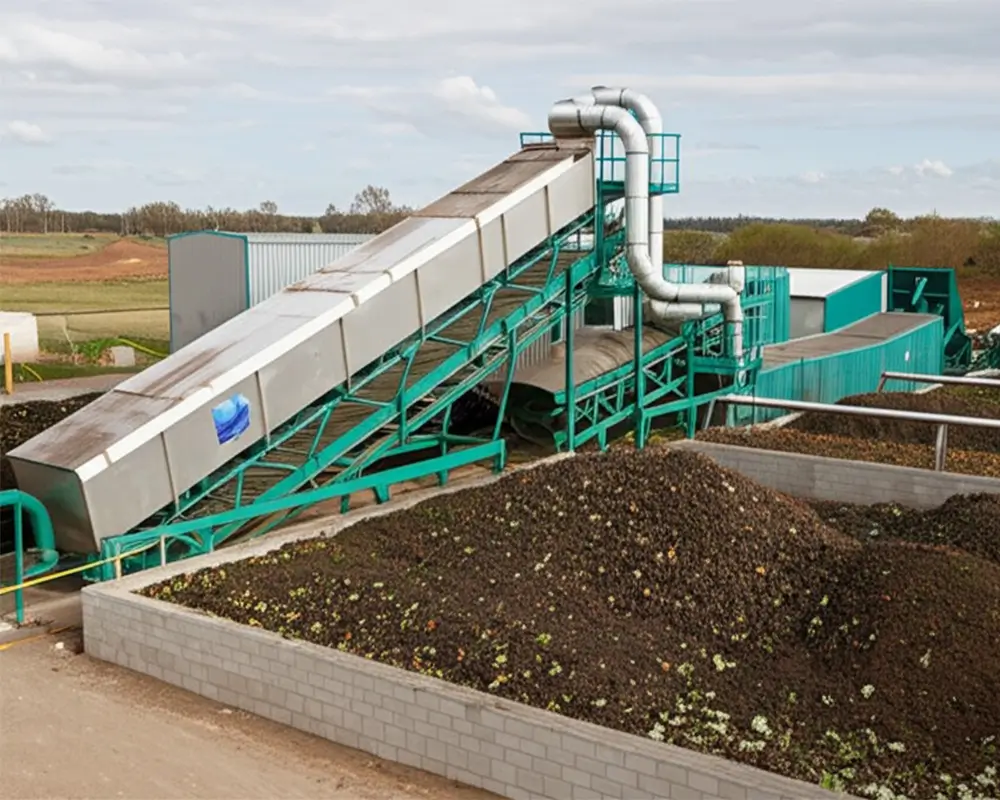
Understanding Commercial & Industrial Composting Facilities
BPI certification focuses on commercial or industrial-scale operations. These facilities have meticulously devised systems for the handling of high volumes of organic waste, such as food scraps, yard waste, and compostable packaging, which require intense management. They control optimal conditions required for thermophilic phase or rapid breakdown as specified in ASTM D6400:
- High Temperatures: Constantly reaching 55-65°C (131-150°F), which further spurs microbial activity.
- Controlled Moisture & Aeration: Decomposition occurs only when water and oxygen are available in ideal proportions.
- Active Microbial Populations: There exist large populations of adapted bacilli and fungi capable of digesting organic material.

Why Most BPI Certified Bags Aren’t for Home Compost Piles?
There are various standards for home composting, such as TUV Austria OK compost HOME. Most other products, however, are certified under differing ASTM standards, like BPI (graded for bags), and require industrial conditions. Compost piles at home typically:
- Do not sustain high temperatures steadily.
- Exhibit variants in moisture and aeration.
- Do not possess the same amount of specific microbes.
Because of all these reasons, any standard BPI certified bag composted in the backyard will most likely achieve incomplete degradation and leave fragmentary remnants of the bag in perpetuity. Check locally whether they allow BPI bags in their composting program.
The Benefits of BPI Certified Compostable Bags
Environmental Benefits
- Waste diversion
When households and businesses use these certified bags to separate food waste, it makes collecting and diverting organic material much cleaner and easier. A large chunk of what we throw away as trash is actually food scraps and other organics, so this really helps reduce waste going to landfills.
- Reducing landfill methane
When food scraps and other organics break down in landfills without oxygen, they produce methane — a greenhouse gas that traps heat in the atmosphere way more effectively than CO2. Composting is an aerobic process, meaning it needs oxygen, which largely prevents methane formation. So, diverting organic waste into composting is a smart step toward fighting climate change.
- Creating valuable compost
Composting creates something valuable: nutrient-rich compost that improves soil quality. It helps the soil hold water better, reduce erosion, and provides essential nutrients that can lower needing synthetic fertilizers and pesticides. Using BPI certified bags makes it easier to collect the right materials, helping us close the loop in a sustainable, circular economy.
Building Consumer Trust
With so many green claims out there, the BPI logo offers clear proof that a product has been independently tested and meets strict standards. It helps people make genuinely eco-friendly choices and protects them from misleading “green” marketing. Plus, it assures compost facility operators that the materials they accept won’t contaminate their final product or process.
Compliance and Infrastructure Support
On the practical side, many local and commercial composting programs require BPI certification for packaging materials. Using certified bags ensures that your waste is compatible with their systems, helping to keep the compost high quality and the facilities running smoothly. When more people use and properly dispose of BPI certified products, it strengthens the whole composting infrastructure.
Choosing and Using BPI Certified Bags Correctly
How to Verify Certification
If you want to make sure you’re choosing the right bags, here’s what to do: First, look for the official BPI logo on the bag or its packaging. Don’t just go by vague claims like “eco-friendly” or “biodegradable.”
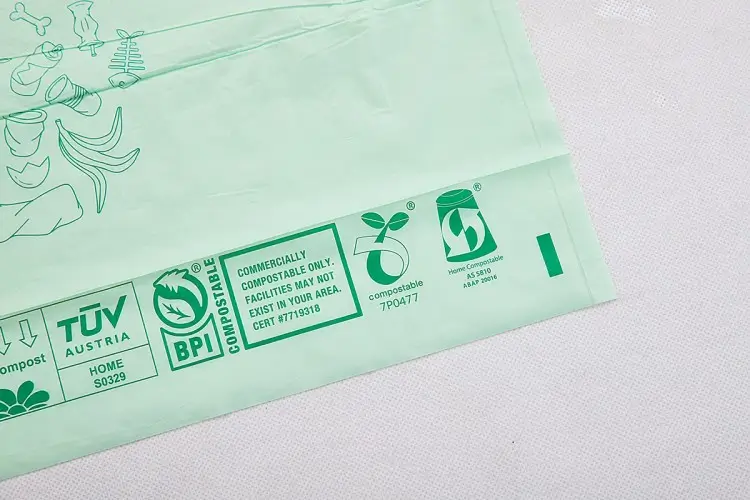
If you’re unsure, check the BPI Certified Product Catalog on their website, where you can look up the product or brand name.
Consider Your Needs
Consider what you’ll be using the bags for:
- Kitchen Food Scraps: Pick a size that fits your countertop bin or under-sink container, like 3-gallon or 13-gallon kitchen trash bags, and make sure they’re strong enough to hold wet waste without tearing.
- Yard Waste: Go for larger, thicker bags—perhaps 30 gallons or more—that can handle leaves, grass clippings, or small branches. Also, verify whether your local program accepts compostable bags for yard waste.
- Other Uses: Other uses include lining bins for businesses or special packaging needs, but always double-check that these bags are suitable for composting before using them.
And, if the thickness of the bags is marked in ‘mils,’ remember that higher numbers usually mean stronger, more durable bags.
Check Local Acceptance
Before you buy or start using BPI-certified compostable bags, it’s a good idea to double-check a few things locally.
- Does your city or waste hauler have a program to collect food scraps or compostable waste?
- If yes, find out whether they accept BPI-certified compostable bags — most industrial composting facilities that handle food waste do, but policies can differ.
- Also, see where they’ll take the bags: Do they go into a curbside green bin or a special drop-off site?
Remember that if these bags end up in a landfill or recycling plant, they don’t really help the environment — they can even cause problems as contaminants. Check your local waste management website or give them a call to find out the details.
Proper Usage Tips
- When it comes to using these bags, store them in a cool, dry spot away from direct sunlight or high heat. Like food or other organic materials, they have a shelf life — usually about a year — and they can weaken if kept poorly or for too long. So, only buy what you’ll use within that timeframe.
- Use these bags mainly for collecting food scraps and organic waste that your local composting program accepts. Don’t put non-compostable stuff in them.
- Once they’re filled and tied, place them in your compost bin or take them to the designated drop-off point, following your local guidelines. And definitely avoid putting compostable bags in recycling bins, since they’re designed to break down differently than regular plastics.
Conclusion
To wrap up, BPI-certified compostable bags are a real step forward in eco-friendly waste management when used properly. The BPI label gives you a trusted stamp that these bags meet strict scientific standards for breaking down safely in industrial composting facilities. They differ from vague “biodegradable” plastics or those problematic “degradable” plastics that don’t fully break down. Understanding what the BPI logo stands for and how these bags work helps you make smarter choices.
By picking certified products, you support waste diversion, reduce landfill methane emissions, and help produce valuable compost. Look for the BPI mark, check with your local authorities, and choose a trusted manufacturer. Together, we can be part of the solution — closing the loop and building a greener future, one compostable bag at a time.