
Home composting often encounters such troubles: the hassle of cleaning the compost bin, the breeding of fruit flies, and unbearable odors. It’s enough to make anyone question their eco-friendly ambitions.
The problem does not lie in the compost itself, but in the experience during the process. Many people try to solve the problem with newspapers or ordinary plastic bags, but do they really work?
In fact, a truly compostable bag is the missing piece of your composting puzzle. It’s the simple, elegant answer that lets your compost bin say goodbye to sticky and smelly for food.
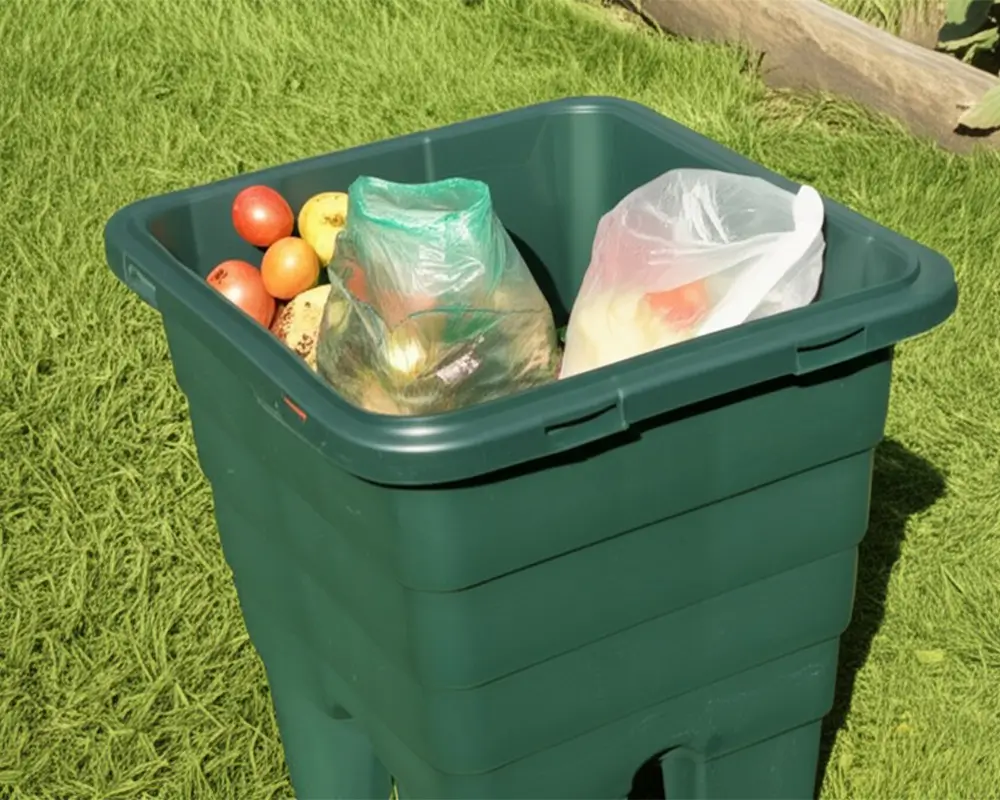
What are Compostable Bags?
Compostable bags make a specific, scientific pledge. They are crafted from plant-based materials, like corn starch, and are designed to break down completely in a compost environment.
These bags are designed to become food for microorganisms. In the right conditions, they transform into carbon dioxide, water, and biomass, leaving no toxic residue. Compostable bags return to the earth, just like the food scraps they hold.
Certifications for Home Compostable Bags
However, not all compostable bags are created equal. Some are designed for industrial composting facilities, which operate at very high temperature. For your backyard composting system, you need a bag certified for home composting, like the OK Compost HOME standard.
A bag with the right certification is engineered to decompose perfectly right in your backyard bin, turning into rich, healthy soil alongside your food scraps. It’s the difference between a plant that needs a greenhouse and one that thrives in your garden. This certification is your guarantee that the product does exactly what it promises. When you’re choosing compostable bags for your compost bin, this seal is non-negotiable.
Why a Quality Compostable Bags is A Composting Essential?
- Ultimate Convenience & Cleanliness
Using a compost bin liner means no more mess. When the bag is full, your simply lift it out, tie it up, and toss the whole thing into your outdoor compost pile. Your kitchen caddy remains pristine, without scraping, rinsing and lingering gunk. So compostable liners transform a messy chore into a clean, simple, and almost elegant process. - Locks in Odors, Keep Pests Away
An open container of food scraps is an open invitation for fruit flies, ants, and even larger pests. It’s just a fact of life. By locking in odors, you’re not just making a kitchen more pleasant—you’re directly removing the main attractant for pests. The bag acts as a barrier, keeping the smells in and the pests out. - Balances Your Compost Mix
A healthy, fast-decomposing compost pile needs a good balance of “greens” and “browns.”
- Greens are nitrogen-rich materials, like your wet kitchen scraps (fruit peels, vegetable trimmings, coffee grounds).
- Browns are carbon-rich materials, like dry leaves, cardboard, or wood chips.
Guess what our compostable bags are made from? Plant starch—a carbon source. So, every time you add a full bag of “greens” to your pile, you’re also adding a “brown” container. The bag itself becomes an active participant in the decomposition process, passively helping you balance that crucial carbon-to-nitrogen ratio. It’s not just a container; it’s an ingredient for better compost.
- Strength You Can Trust
There’s nothing worse than a liner that tears the moment you try to lift it out of the bin. We’ve all been there. A puddle of “compost tea” on the kitchen floor is a truly humbling experience.
Quality compostable bags are designed with durability in mind. They have the strength and puncture resistance to handle everything from sharp eggshells to heavy, wet melon rinds without leaking or splitting. It’s strength you can trust, giving you the confidence to carry your scraps from kitchen to compost pile without leaving a trail behind.
How to Choose & Use Your Compostable Bags?
Choosing the Right Bags
- Check the Certification: I can’t stress this enough. Look for the “OK compost HOME” or an equivalent home composting certification. This ensures they will break down in your backyard pile.
- Get the Right Size: A bag that fits the kitchen caddy and compost bin is easier to use and prevents scraps from slipping down the sides.
- Consider the Thickness: Thicker bags offer more strength and better odor control, which is especially important if you generate a lot of wet food waste or don’t empty your bin daily.
- Buy from a Reputable Source: As a compostable bag manufacturer, we understand the science and quality control that goes into creating a truly compostable product. Partnering with a reliable supplier ensures you’re getting a product that performs as promised.
Pro-Tips for Use
- Let Hot Scraps Cool: Don’t dump boiling hot liquids or freshly brewed coffee grounds directly into the bag. Let them cool a bit first to maintain the bag’s integrity.
- Manage Moisture: If you have a lot of very wet waste, like juicy fruit scraps, consider wrapping them in a paper towel before placing them in the bag. This helps absorb excess liquid.
- Use Them Regularly: Compostable plastic bags are designed to start breaking down in the presence of moisture and microorganisms. It’s best to use them within a year of purchase for optimal performance.
- Don’t Overfill: Tying the bag is much easier if you leave a few inches of space at the top. This also helps prevent spills on the way to the compost pile.
Conclusion
Composting doesn’t have to be a messy, smelly chore. With the right tools, it can be a seamless and rewarding part of your sustainable lifestyle. High-quality, certified compostable bags are that tool. They bring cleanliness, convenience, and efficiency to your kitchen, all while contributing positively to your compost pile.
Ready to elevate your composting routine? Click here to explore our range of compostable bags and experience the difference.
Want more tips? Follow our blog for more home composting guides and eco-friendly inspiration.
FAQs
- How long does a typical home compostable bag take to decompose?
In a properly maintained home compost bin with good heat and microbial activity, a certified home compostable bag will typically break down completely within 3 to 6 months. It leaves no visible remnants and becomes part of the nutrient-rich humus, enriching your garden soil. - Can I use these compostable liners in my curbside organics bin if my city offers collection?
You must always check with your local municipal composting facility or waste management company. Some programs accept only certain certified compostable bags, while others may prefer no bags at all to ensure their processing equipment and final compost facility are not compromised. - What happens if a compostable bag ends up in a landfill?
In an anaerobic landfill environment without the proper oxygen, light, and microbes, a compostable bag may not break down much faster than a conventional plastic bag. This highlights why the entire system—from collection to processing—is crucial for realizing the environmental benefits of using certified compostable bags. - Are there any types of food waste that shouldn’t go in a compostable bag?
The bag itself is tough and can hold all standard food scraps. However, for the health of your home composting system, you should still avoid adding large amounts of meat, dairy, and oily foods. These items can create significant odor issues and attract pests, regardless of the excellent compost bin liner you’re using. It’s a rule of thumb for the compost pile itself, not the bag.