
The packaging world is changing fast. If you’re a procurement officer or a product manager, you’ve likely felt the heat. Consumers want less plastic, and regulators are breathing down our necks with new laws about single-use materials. It’s a tricky balance, right? You need to maintain the high-performance standards your operation relies on, but you also need to meet your ESG goals.
Compostable slider ziplock bags are the perfect intersection of high-performance convenience and genuine environmental responsibility. If you’ve been looking for a way to upgrade your packaging without losing the functionality of a classic slider ziplock bags setup, you’re in the right place. Let’s dive into what makes these bags a game-changer.
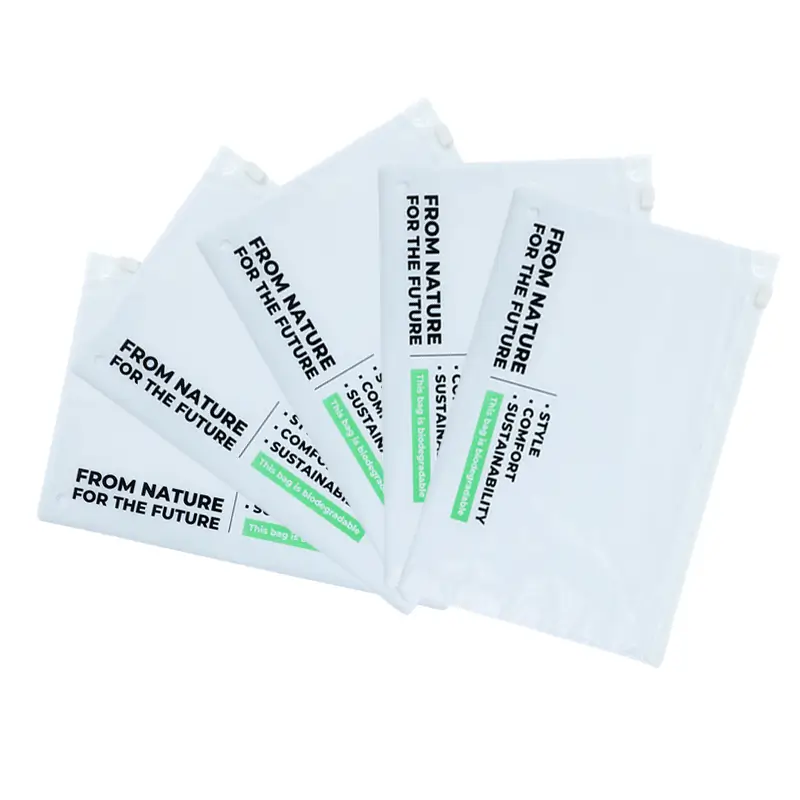
The Green Revolution in Flexible Packaging
The Market Shift: Why Sustainability is No Longer Optional
It’s not just a trend anymore; it’s the new baseline. Walk into any major retail store or check the latest e-commerce unboxing trends, and you’ll see it everywhere: the move toward sustainable packaging bags. Companies that don’t adapt are getting left behind, not just by consumer sentiment, but by tightening government regulations.
Bridging the Gap: Innovation Meets Convenience
We’ve all dealt with those flimsy, unreliable bags in the past. But modern compostable slider ziplock bags have evolved significantly. They offer that premium, user-friendly “slide” motion that customers love, all while being designed to return to the earth rather than sit in a landfill for a few hundred years. It’s the kind of innovation that makes your operations look good and do good.
What Actually Are Compostable Slider Ziplock Bags?
Defining “Compostable” vs. “Biodegradable”
This is the most common point of confusion, so let’s clear it up. “Biodegradable” is a loose term—almost anything degrades eventually, even a plastic bottle if you wait a millennium. “Compostable,” however, is a specific standard. It means the material breaks down into non-toxic organic matter within a specific timeframe under composting conditions. That is the gold standard we are talking about here.
The Science of Bio-Based Resins: Materials Behind the Magic
These aren’t made from traditional oil-based plastics. Instead, manufacturers are using clever bio-based resins.
Breaking Down the Components: PLA, PBAT, and More
Usually, you’ll find a blend of materials like PLA (Polylactic Acid, often derived from cornstarch) and PBAT. This specific blend provides the flexibility needed for compostable plastic bags while ensuring they maintain their structural integrity during use. It’s chemistry, but it’s practical chemistry.
Engineering the Slider: Can It Really Be Compostable?
The slider mechanism used in typical slider zip bags is usually high-density plastic, which is hard to compost. However, new technology has allowed for the creation of compostable sliders that function just as smoothly. It took some time to get the friction and seal integrity right, but we’re there now. You get the same “click” and the same ease of use.
Certification Standards: Why ASTM D6400 Matters
If a supplier tells you their bags are “compostable,” ask for the paperwork. You specifically want to look for ASTM D6400 or EN 13432 certifications. These ensure that the compostable slider ziplock bags will actually break down in industrial composting facilities. Without these certifications, you might just be buying “green-washed” plastic.
Key Features and Technical Benefits
Performance Parity: Is Durability Sacrificed?
The short answer? No. Modern compostable slider ziplock bags are designed to hold their own. They offer similar clarity, tensile strength, and barrier properties to traditional LDPE plastics. Whether you are packaging dry goods or textiles, they hold up during transit and handling.
The User Experience (UX) Advantage of Slider Zip Bags
Why choose a slider over a standard press-to-close bag? It’s all about the UX. The slider is more accessible for people with limited dexterity, and it’s just plain easier to use in a rush. It’s that little “extra” that tells your customers you care about their experience.
Understanding Shelf-Life and Storage Requirements
This is a technical point that procurement teams often miss: compostable materials are meant to break down, right? So, they have a shelf life. You don’t want to buy five years’ worth of inventory at once. Store them in a cool, dry place away from direct sunlight, and you’ll have no issues.
Industrial vs. Home Composting: What You Need to Know
Most of these high-performance bags are designed for industrial composting. Why? Because that’s where the high heat and specific microbial activity exist. It’s an important distinction for your ESG reporting. Aligning your packaging with municipal or commercial composting infrastructure is a huge win for your corporate sustainability profile.
Industry Applications: Who Needs These Bags?
Food & Beverage: Keeping It Fresh and Eco-Friendly
Whether it’s fresh produce or dry goods, the resealability of slider ziplock bags is a must-have for maintaining freshness. Now, your brand can offer that convenience without the guilt of single-use plastic waste.
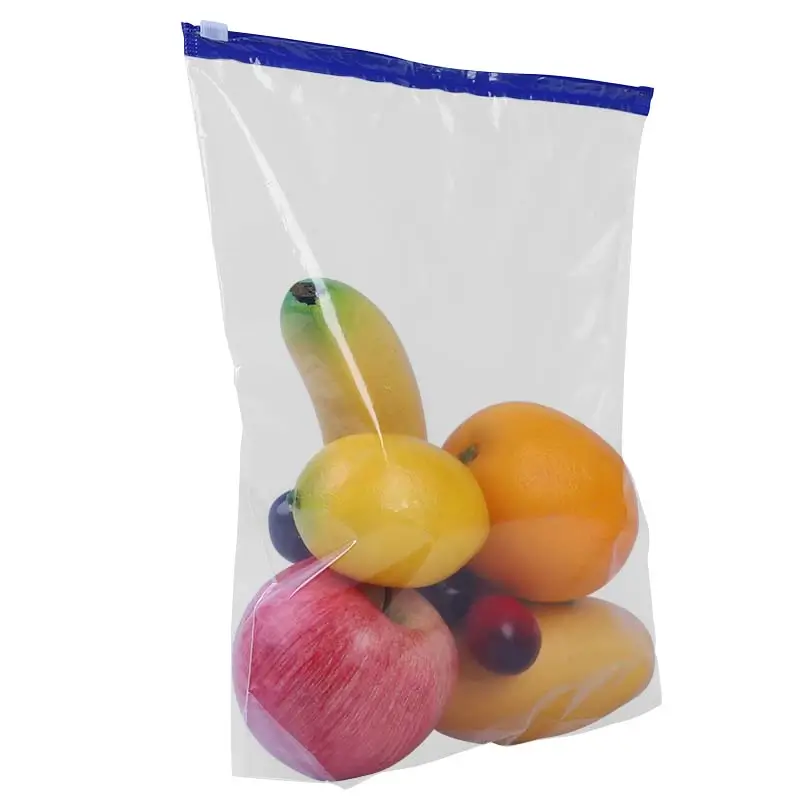
Apparel & E-commerce: Elevating the Unboxing Experience
Ever received a shirt in a beautiful, high-quality bag? It feels premium. Brands are increasingly using these sustainable packaging bags for clothing and accessories to ensure the unboxing experience reflects their values.
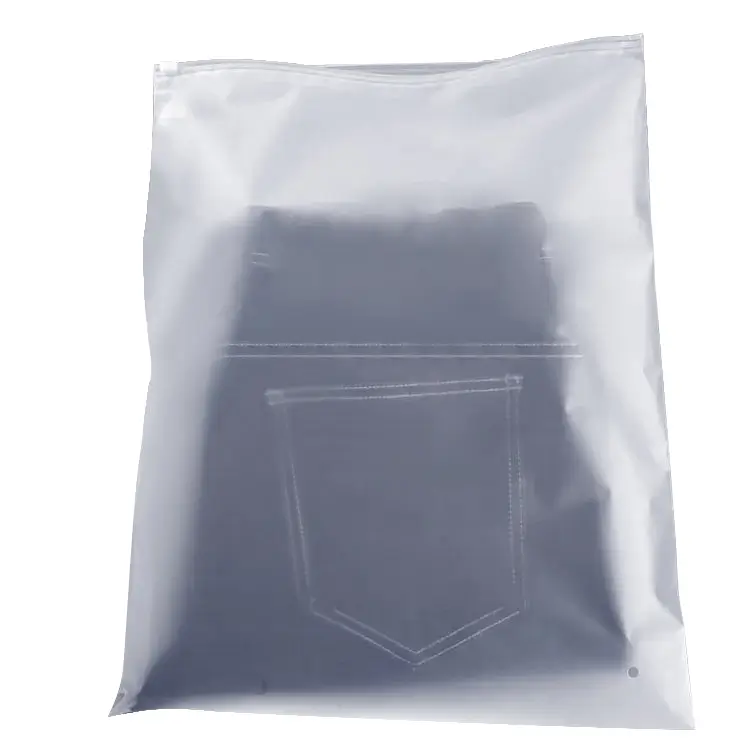
Cosmetics, Personal Care, and Beyond
From travel kits to sample sets, the transparency and durability of these bags make them perfect for the beauty industry. Plus, they look great on a shelf.
Subscription Box Services
Subscription boxes are all about the experience. Using compostable slider ziplock bags for internal product organization reinforces your brand’s commitment to the planet every time the customer opens the box.
The Business Case: Why Transition to Sustainable Packaging Now?
Navigating Regulatory Compliance and EPR Legislation
Governments are getting serious. Extended Producer Responsibility (EPR) laws mean you might soon be paying for the waste your packaging creates. Switching to compostable materials now is a proactive move to avoid future taxes and compliance headaches.
Boosting Brand Reputation with Eco-Conscious Consumers
Let’s be honest, today’s shoppers are smart. They look at labels. They care about supply chains. Offering compostable slider ziplock bags isn’t just packaging; it’s a marketing asset that builds trust.
Cost-Benefit Analysis: The True Price of Inaction
Sure, sustainable materials might have a slight premium compared to mass-produced, cheap virgin plastic. But calculate the cost of a damaged brand image or the potential fines from new plastic bans. The cost of inaction is almost always higher.
Procurement Checklist: How to Source Quality Compostable Slider Ziplock Bags
Verifying Third-Party Certifications
Never take a “compostable” label at face value. Always request the actual certificate or lab report (BPI, TUV) from the manufacturer. Trust, but verify.
Testing Compatibility with Your Workflow
Before you commit to a bulk order, ask for samples. Run them through your existing filling and sealing machinery to make sure the compostable slider ziplock bags work exactly as your old bags did.
Ensuring Supply Chain Transparency
Ask your supplier about their resin source. Where does the cornstarch or PLA come from? A transparent supply chain is a sign of a reliable partner.
Conclusion: A Scalable Solution for the Future
Transitioning to compostable slider ziplock bags is no longer just a “niche” experiment for small startups; it is a scalable, professional solution for businesses of all sizes. By choosing materials that are engineered for the future, you aren’t just buying packaging—you’re investing in your brand’s longevity and global impact. Sustainability has officially become a competitive advantage, not just an operational cost.
Are you ready to make the switch? Let’s take the next step. Contact our team today for a full product spec sheet, request a custom sample pack, or speak with an expert about how we can integrate compostable slider ziplock bags into your specific packaging workflow.