
If you’ve ever worked a Saturday morning rush in a professional kitchen, you know exactly what I’m talking about. There’s flour in the air, butter on every surface, and a mountain of used plastic film growing in the corner. Among that mountain, you’ll find one of the biggest culprits of kitchen waste: the single-use piping bag.
But what if I told you that the mountain doesn’t have to be plastic? Enter the world of compostable piping bags. If you’re a distributor looking for the next big thing or a bakery owner trying to lower your carbon footprint, you’ve probably heard the buzz. But what are they, really? Are they just fancy greenwashed plastic, or are they the real deal? Let’s dive into the flour-dusted details.

The Plastic Problem in the Professional Kitchen
For decades, the industry standard has been the heavy-duty polyethylene bag. They’re cheap, they’re strong, and they’re… well, terrible for the planet. We use them for ten minutes to pipe a dozen cupcakes, and then they sit in a landfill for five hundred years. It’s a bit of a disconnect, isn’t it? We spend all this time sourcing organic eggs and high-quality chocolate, only to wrap our artistry in “forever” plastic.
The Unspoken Guilt of the Single-Use Pastry Bag
I’ve talked to dozens of pastry chefs who feel a twinge of guilt every time they snip the tip off a new bag. You want efficiency—nobody has time to wash out canvas bags when you’re doing three hundred éclairs—but you also want to be able to sleep at night. That’s why compostable pastry bags have become such a game-changer. They offer that “toss-it-and-forget-it” convenience without the environmental hangover. It’s like having your cake and eating it too, except the plate is also good for the soil.
Breaking Down the Basics: What Exactly is a Compostable Piping Bag?
At first glance, a compostable piping bag looks and feels a lot like its plastic cousin. It’s clear (or slightly tinted), flexible, and has that signature “crinkle.” However, the DNA is entirely different. Instead of being derived from petroleum, these are sustainable packaging bags made from plant-based materials.
The Science of Bioplastics: PLA, PBAT, and Cornstarch
Most compostable piping bags are made from a blend of biopolymers. The most common is PLA (Polylactic Acid), which is usually derived from fermented plant starch like corn, cassava, or sugarcane.
Sometimes, manufacturers add PBAT (Polybutylene adipate terephthalate) to the mix. Don’t let the scary chemical name fool you; it’s a biodegradable random copolymer that adds flexibility and strength. When you combine these, you get a material that behaves like plastic under pressure but breaks down into carbon dioxide, water, and biomass when composted. It’s basically magic, but with more chemistry.
Why “Compostable” is Different from “Biodegradable”
Here is a quick sidebar because words matter. You’ll see “biodegradable” slapped on everything these days. But in the world of sustainable packaging bags, “compostable” is the gold standard.
“Biodegradable” just means something will eventually break down into smaller pieces—sometimes those pieces are just microplastics. “Compostable” means it will break down in a specific timeframe under specific conditions and leave nothing toxic behind. If you’re a distributor, this is the distinction you need to sell to your clients. You aren’t just selling a bag; you’re selling a closed-loop system.
How These Bags Fit Into Your Daily Baking Routine
Now, I know what you’re thinking. “Sure, it’s good for the planet, but will it burst when I’m trying to pipe thick macaron batter?” It’s a valid question. A bag that breaks mid-pipe is a baker’s nightmare.
Durability and Strength: Can They Handle the Pressure?
The early versions of compostable piping bags were, frankly, a bit wimpy. They’d stretch or pop at the seams if the buttercream was too cold. But the technology has caught up. Modern compostable pastry bags are engineered with “burst-resistant” seams.
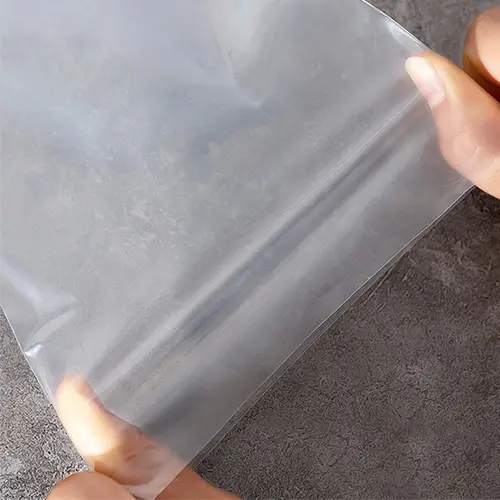
They can handle the heat of warm ganache and the pressure of a stiff royal icing. In fact, many chefs find that they have a similar “hand-feel” to traditional bags. They aren’t brittle. They have a bit of “give,” which is exactly what you want when you’re doing intricate detail work. Incorporating compostable bags for baking routine tasks doesn’t mean sacrificing quality; it just means upgrading your material.
Grip and Texture: The Baker’s Secret Weapon
One surprising benefit of some compostable piping bags is the texture. Some brands have a slightly “tacky” or textured exterior. If you’ve ever had a plastic bag slip out of your hand because your palms were a little greasy from butter, you’ll appreciate this. That extra grip gives you more control, which means cleaner lines and less hand fatigue. It’s those little things that make the baking routine smoother.
The Business Case for Compostable Pastry Bags
If you’re in the business of supplying bakeries, or if you run a bakery yourself, sustainability isn’t just a “nice to have” anymore—it’s a competitive advantage.
For Distributors: Why the Market is Pivoting Toward Sustainable Packaging Bags
Distributors, listen up: the tide is turning. Governments are increasingly banning single-use plastics, and even where they aren’t, consumer demand is doing the work for them. Stocking compostable piping bags isn’t just about being eco-friendly; it’s about future-proofing your inventory. When a bakery looks for a supplier, they are looking for partners who can help them meet their own sustainability goals. If you aren’t offering sustainable packaging bags, you’re leaving money on the table.
For Bakery Owners: Boosting Brand Loyalty with Eco-Conscious Choices
For the bakers out there, think about your customers. They care about where their food comes from. When they see a sign in your shop—or a post on your Instagram—explaining that you use compostable pastry bags to reduce waste, it builds trust. It shows you care about the community and the environment. It’s a story you can tell. Plus, using compostable piping bags can be a great way to differentiate yourself from the big-box grocery store bakeries that are still churning through mountains of plastic.
Understanding the Certifications (What to Look for on the Box)
Not all “green” bags are created equal. When you’re sourcing compostable piping bags, look for certifications like BPI (Biodegradable Products Institute) in the US or TÜV AUSTRIA (OK compost) in Europe.
These labels ensure the bags have been tested in industrial composting facilities. There’s also “Home Compostable” certification, which means the bag will break down in your backyard bin. Most professional-grade compostable pastry bags are designed for industrial composting because they need higher temperatures to break down efficiently, so keep that in mind when you’re planning your disposal.
How to Properly Dispose of Your Compostable Bags
This is where the “human imperfection” of the system comes in. You can’t just throw a compostable piping bag in the recycling bin. If you do, you’re actually contaminating the plastic recycling stream.
To truly complete the cycle of using compostable bags for baking routine work, you need to dispose of them in a green waste bin that goes to an industrial composting facility. If your city doesn’t have one, it might be worth looking into a private pick-up service for your business. The goal is to get that bag back into the earth, where it can become soil to grow more corn, to make more bags. It’s the circle of life… but for cookies.
Conclusion: The Sweet Future of Sustainable Baking
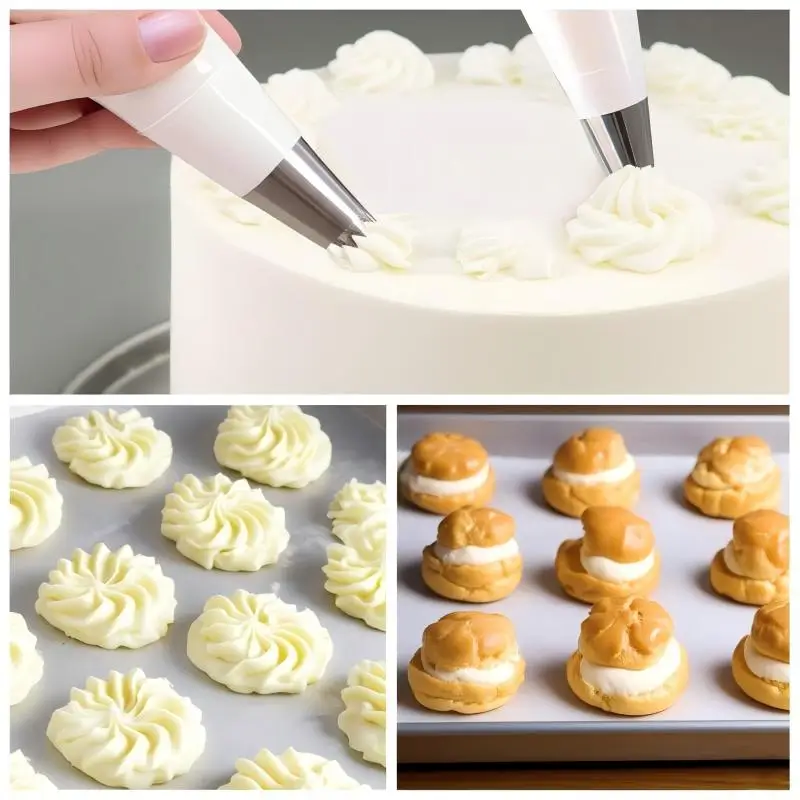
At the end of the day, switching to compostable piping bags is one of those rare “win-win” situations. You get the convenience of a disposable bag, the performance of a high-quality tool, and the peace of mind that comes with knowing you aren’t trashing the planet.
Whether you’re a supplier looking to lead the market or a baker trying to make your kitchen a little bit greener, the message is clear: the future is compostable. It’s time to phase out the old plastic and embrace sustainable packaging bags. Your kitchen will be cleaner, your brand will be stronger, and the planet—well, the planet will definitely thank you.
So, next time you’re restocking your pantry, ask yourself: Is it time to make the switch? Honestly, once you try a high-quality compostable pastry bag, you’ll wonder why you waited this long. Let’s make the baking world a little sweeter, one bag at a time. After all, the best treats are the ones that don’t leave a mess behind for future generations.