
Let’s be real for a second—packaging isn’t usually the topic of conversation at dinner parties. But if you’re in the business of distribution, or if you’re a wholesaler trying to keep up with the massive shift toward eco-friendly materials, the cast film extrusion process is probably something you think about more than you’d care to admit.
It’s the backbone of how we get those crystal-clear wraps, the stretch films that hold entire pallets together, and increasingly, the compostable cast film that’s making our planet a little less cluttered with plastic. If you’ve ever wondered why some films look like glass while others look like a foggy morning, the answer lies almost entirely in the cast film extrusion process. So, let’s break it down, shall we? From the nuts and bolts of the machinery to why sustainable cast film is the only way forward.
What is Cast Film Extrusion, Exactly? (And Why Should You Care?)
In simple terms, cast film extrusion is a manufacturing method where a molten polymer is pushed through a flat die to create a thin, flat sheet of plastic (or bioplastic). Unlike its cousin, the blown film process—which blows a giant “bubble”—the cast film method is all about linear precision.
The Basics of the “Flat Die” Method
Think of it like a high-tech pasta machine. You put the dough (the resin) in one end, and it comes out as a perfectly flat sheet of lasagne. In the cast film extrusion process, that “lasagne” is moved onto a series of chilled rollers. It’s a continuous, high-speed operation that creates some of the most consistent and aesthetically pleasing packaging materials on the market.

Distinguishing Between Cast and Blown Film
Now, I often get asked, “Why wouldn’t I just use blown film?” Well, it depends on what you need. Blown film is great for strength (think heavy-duty trash bags), but cast film is the king of clarity and speed. If you’re a distributor selling to grocery stores that want their produce to look vibrant and fresh, you’re going to want the results of a cast film extrusion line every single time.
The Anatomy of a Cast Film Line
Before we get into the “how-to,” let’s look at the “what.” A cast film extrusion line is a massive piece of engineering, but it essentially boils down to three main parts.
The Extruder: Where the Journey Begins
This is the heart of the operation. It’s a long barrel with a rotating screw inside. The raw resin—whether it’s traditional PE or the pellets used for biodegradable films—gets fed in here. The friction and heat melt the resin down into a molten state. Honestly, it’s a bit like a giant, industrial hot glue gun.
The Die: Precision in Every Millimeter
Once the plastic is molten, it’s pushed into the die. The die is a T-shaped or coat-hanger-shaped tool that flattens the molten stream into a wide, thin web. The precision here is insane. We’re talking about maintaining thickness levels that are thinner than a human hair across a width of several meters.
The Chill Roll: The Secret to Crystal Clarity
This is where the magic happens in the cast film extrusion process. As the hot plastic leaves the die, it immediately hits a “chill roll”—a large, water-cooled drum. This rapid cooling (or quenching) is what makes cast film so clear. By cooling it fast, we prevent the formation of large crystals in the plastic, keeping it transparent and glossy.
A Deep Dive into the Cast Film Extrusion Process Steps
Alright, let’s walk through the steps. If you’re a wholesaler, knowing this helps you explain to your clients why your sustainable cast film is worth the investment.
Step 1: Material Preparation and Feeding
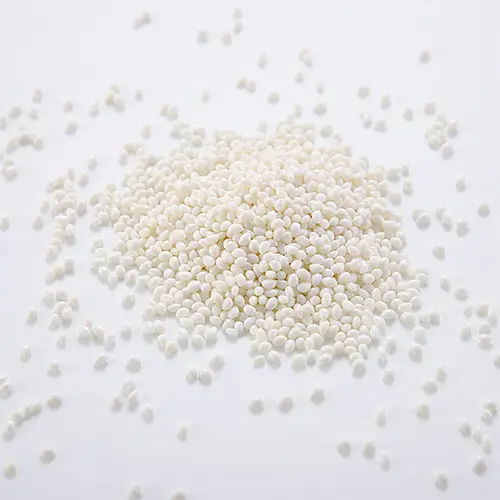
It all starts with the resin. For those of us leaning into the green revolution, this is where we load up on compostable resins. These pellets are often pre-dried because even a tiny bit of moisture can cause bubbles and defects during the cast film extrusion process.
Step 2: Melting and Homogenizing the Polymer
The screw in the extruder doesn’t just push the material; it mixes it. If you’re adding color or UV inhibitors, the extruder ensures the mixture is perfectly uniform. If the mix isn’t “homogenous,” you’ll get streaks. And nobody likes streaks in their cast film.
Step 3: The Extrusion and Shaping Phase
The molten polymer is forced through the die. At this point, it’s essentially a waterfall of liquid plastic. This is a critical stage for the cast film extrusion process because any variation in pressure here will lead to an uneven film.
Step 4: Rapid Cooling and Solidification
As the film hits the chill roll, it solidifies instantly. Sometimes, manufacturers use an “air knife” or a “vacuum box” to pin the film tightly against the roller. This ensures there’s no air trapped between the film and the roll, which could cause “hot spots” or cloudy patches. It’s all about that perfect contact.
Step 5: Thickness Measurement and Winding
Finally, the film passes through sensors that check the “gauge” (thickness). If it’s too thick or too thin, the system automatically adjusts the die bolts. Then, it’s wound onto massive rolls, ready to be shipped out to distributors.
The Rise of Sustainable Cast Film in Today’s Market
Let’s pivot for a second. We all know the world is changing. People don’t just want plastic anymore; they want solutions. That’s why sustainable cast film has gone from a niche product to a mainstream demand.
Why Compostable Cast Film is a Game-Changer for Wholesalers
If you’re a wholesaler, you’ve probably noticed that “green” sells. Compostable cast film offers the same clarity and performance as traditional films but with an end-of-life story that doesn’t involve a landfill for the next 500 years. Using the cast film extrusion process with PLA (polylactic acid) or other compostable resins allows you to offer a premium product that meets strict environmental regulations.
Anyway, I think it’s important to remember that “compostable” doesn’t mean “weak.” Modern biodegradable films are incredibly tough. They’ve come a long way from the early versions that used to tear if you just looked at them funny.
Breaking Down the Chemistry of Biodegradable Films
Most biodegradable films are made from plant-based materials like corn starch or sugarcane. When these materials go through the cast film extrusion process, they require slightly different temperature settings than traditional PE. But the result is a film that looks, feels, and performs like high-end plastic while being fully compostable. It’s the best of both worlds, really.

Key Benefits of Using the Cast Film Extrusion Process
Why do we keep coming back to the cast film extrusion process? Because the benefits are hard to beat, especially in a high-volume business environment.
Unmatched Optical Clarity and Gloss
If you’re packaging something where visual appeal is everything—like high-end chocolates or fresh organic produce—you need cast film. The rapid quenching on the chill roll gives it a glass-like finish that blown film just can’t match.
Superior Gauge Consistency for High-Speed Packaging
When you’re running a high-speed automated packaging line, you can’t have the film snapping or bunching up. Because the cast film extrusion process is so controlled, the thickness is incredibly uniform. This means fewer headaches for the end-user and more repeat business for the distributor.
High Production Speeds and Efficiency
Speed is money. Cast film extrusion lines can run much faster than blown film lines. For a wholesaler, this means shorter lead times and more competitive pricing. You’re getting more “miles” of film per hour of production.
Challenges and Troubleshooting in Cast Film Production
Now, it’s not all sunshine and roses. Like any industrial process, things can go wrong.
Dealing with Die Lines and Gels
Have you ever seen a tiny line running the whole length of a roll of film? That’s a die line. Usually, it’s caused by a tiny speck of carbonized plastic stuck in the die. And “gels”? Those are little un-melted bits of resin that look like tiny pimples on the film. In the cast film extrusion process, keeping the equipment clean is absolutely vital.
Managing “Neck-In” and Edge Trim
When the molten plastic leaves the die, it has a tendency to shrink inward. This is called “neck-in.” It means the edges of the film are often thicker than the center. To fix this, the edges are trimmed off and recycled back into the extruder. It’s a bit of a circular economy within the machine itself.
How Distributors Can Market Cast Film to Eco-Conscious Businesses
If you’re trying to sell sustainable cast film, don’t just talk about the technical specs. Talk about the value. Tell your clients how compostable cast film can help them meet their ESG (Environmental, Social, and Governance) goals.
Rhetorical question time: Why would a business continue to use non-recyclable plastic when they can get the same performance from biodegradable films? The price gap is closing, and the consumer demand is already there. As a distributor, you’re not just selling film; you’re selling a solution to a problem every business is currently facing.
Actually, I’ve seen some distributors even provide “compostability certificates” with their orders. It’s a small touch, but it builds a ton of trust.
Future Trends: The Evolution of Multi-Layer Sustainable Cast Film
The future of the cast film extrusion process is definitely multi-layer. By using “co-extrusion,” we can sandwich different materials together. Imagine a film where the inner layer is designed for a perfect heat seal, the middle layer provides a moisture barrier, and the outer layer is a high-gloss sustainable cast film.
We are seeing more and more five, seven, and even nine-layer films coming out of the cast film extrusion process. This allows us to use less material while achieving better performance. It’s “light-weighting,” and it’s a huge part of the sustainability conversation.
Conclusion: Investing in the Future of Packaging
So, there you have it. The cast film extrusion process is a lot more than just melting plastic and cooling it down. It’s a precision-engineered dance that produces some of the most important materials in the modern world.
For distributors and wholesalers, the takeaway is clear: the market is moving toward high-quality, sustainable cast film. Whether it’s the incredible clarity that makes products pop on the shelf or the environmental benefits of compostable cast film, this technology is here to stay.
Understanding how the cast film extrusion process works gives you the edge you need to talk to your customers with confidence. You’re not just moving boxes; you’re providing the high-performance, eco-friendly materials that the 21st-century economy demands.
And hey, next time you see a perfectly wrapped pallet or a clear bag of carrots, you’ll know exactly how it got that way. It’s not just plastic—it’s the result of a perfected cast film extrusion journey. Pretty cool, right?
Anyway, I hope this deep dive helps you navigate your next order or client meeting. The world of biodegradable films is growing fast, and there’s never been a better time to be a part of it. Keep pushing for better materials, keep asking questions, and let’s keep making packaging better, one roll at a time.