
Due to the increasingly awareness of environmental footprint, we are looking for a greener alternative to make a huge difference. Have you ever looked at a regular plastic ziplock bag and thought, “there has to be a better way?” Well, compostable ziplock bags are here to give you all the convenience you need without the hefty environmental price tag.
But what exactly are they, and how do they work? Let’s dive in and explore how this simple switch can be a powerful step towards a more sustainable future.

What are Compostable Ziplock Bags?
Compostable ziplock bags (resealable bags) aren’t your average plastic bags. They’re designed to break down completely into natural elements like water, carbon dioxide, and biomass. But there is a crucial part: these bags do this in a specific timeframe and under specific conditions, leaving no toxic residue behind.
Certifications of Compostable Bags
For a product to be officially labeled as “compostable”, it has to meet some pretty strict standards. In the U.S., you’ll often see certifications from organizations like the Biodegradable Products Institute (BPI). These certifications mean the product has been scientifically proven to break down in a commercial composting facility within a certain period (usually around 90-180 days). So, when you see that BPI logo (ASTM D6400), you know you’re getting the real deal.
Other certifications you need to know:
- OK Compost and OK Compost HOME: When you see these labels, you know that TÜV Austria, a leading international certification body, has given its stamp of approval. The “OK Compost HOME” certification is for products that can be composted in home compost heap. The “OK Compost INDUSTRIAL” is for items that need to be sent to a commercial composting facility, where they break down at higher temperatures.
- EN 13432: This is the European standard for packaging that can be recovered through industrial composting. If a product is certified to this standard by an organization like DIN CERTCO, it means it’s suitable for commercial composting facilities.
- AS 5810 and AS 4736: These two standards are the go-to for compostable products in Australia. AS 5810 is the standard for home compostability, meaning you can pop these items in your backyard compost bin. AS 4736 is the certification for products that are commercially compostable.
Compostable vs. Biodegradable vs. Recyclable
“Biodegradable” simply means something will break down over time, but that “time” could be hundreds of years, and it might leave behind microplastics.
“Recyclable” is great, but the recycling process itself requires energy and resources, and unfortunately, not everything that’s recyclable actually gets recycled.
Compostable zip lock bags, on the other hand, are designed for a circular economy. They return to the earth, enriching the soil and completing a natural cycle.
What are Compostable Ziplock Bags Made of?
So, what kind of materials go into making these sustainable ziplock bags? They’re typically made from plant-based materials, like PLA and a blend of other compostable polymers (PBAT). These are renewable resources, which is another big win for the environment. By using plants as the building blocks, we’re moving away from our reliance on fossil fuels, which is what traditional plastics are made from.
Benefits of Switching to Compostable Ziplock Bags
Reduce Plastic Waste and Carbon Footprint
Every single compostable resealable ziplock bag you use is one less conventional plastic bag floating around for centuries. And because they’re made from plant-based materials, their production generally has a lower carbon footprint compared to traditional plastics.
Lighten the Load on Overburdened Landfills
Our landfills are filling up at an alarming rate. It’s a classic out-of-sight, out-of-mind problem, but it’s a very real one. When you choose compostable packaging, you’re actively diverting waste from landfills. Instead of sitting there for generations, your packaging is being turned into something useful.
Giving Back to the Earth: From Trash to Treasure
When compostable bags break down in a proper composting environment, they create nutrient-rich compost. This compost can then be used to improve soil health, help retain moisture, and reduce the need for chemical fertilizers. By switching to compostable bags, you’re not just getting rid of waste; you’re creating a valuable resource that helps grow healthier plants.
Boost Your Brand Image
Now many customers are increasingly making purchasing decisions based on a company’s environmental and social responsibility. By switching to sustainable ziplock bags, you’re sending a powerful message that tells them your brand caring about the future. This can build incredible customer loyalty and set you apart from the competition. It’s a tangible way to showcase your commitment to sustainability.
What are Compostable Zip-Lock Bags Used For?
Compostable zip seal bags are a versatile and eco-friendly alternative to traditional plastic bags.
Food Packaging
If you are in the food industry, these bags are a perfect fit.
- For bakeries, cafes, and snack producers, compostable zip seal bags are a fantastic way to package your goods. They keep things fresh and demonstrate a commitment to the environment to your customers.
- Grocery stores and farmers’ markets can benefit by offering compostable resealable bags for produce, a simple switch that environmentally conscious shoppers will appreciate.
- Food service businesses and meal prep companies can use these bags to provide a more sustainable solution for their customers’ meals and ingredients.
- At home, they are perfect for packing lunches, storing leftovers, and organizing snacks. Many are freezer-safe, but it is generally recommended to avoid using them for hot liquids.
Garment and Accessories
- They are ideal for packaging clothing, jewelry, hats, and other accessories. This enhances the customer experience by aligning with a sustainable brand ethos.
- These bags can also be used for a wide range of other retail products, including toys, pillows, shoes, socks, and cosmetics. They provide the same level of protection and convenience as traditional bags, but without the negative environmental impact.
Medical Supplies
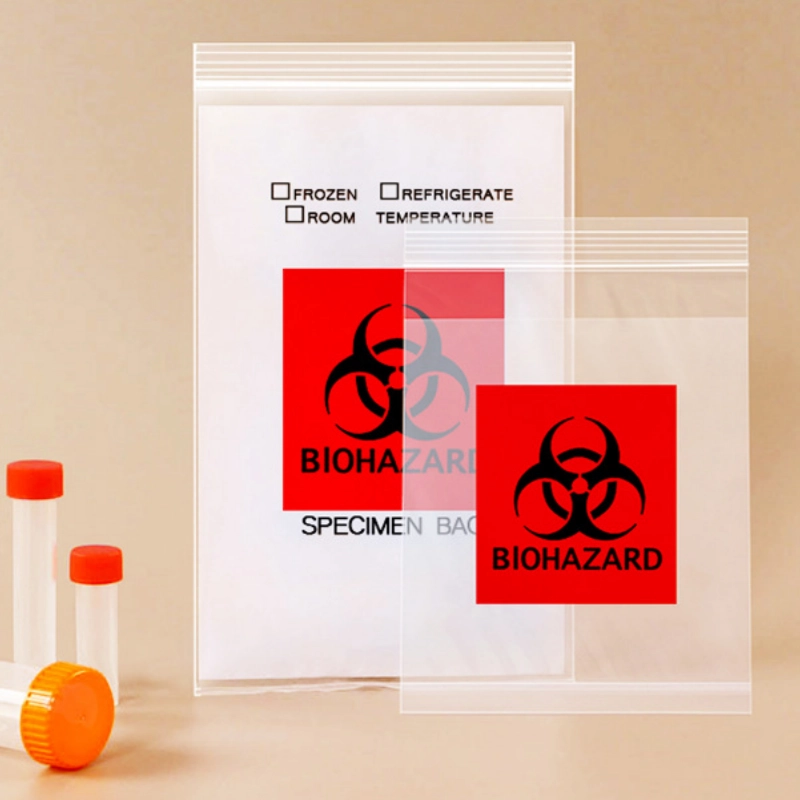
In the medical field, there is a growing market for bioplastic packaging, which includes compostable bags for specimen, pharmaceutical and other supplies.
Ready to Make the Switch? Let’s Talk About a Partnership
As a manufacturer of high-quality compostable bags, we’re here to help you make this important transition. We understand the needs of distributors, suppliers, and businesses of all sizes. We can work with you to find the perfect sustainable packaging solution for your products.
Conclusion
Switching to compostable ziplock bags is one of the easiest and most impactful changes your business can make to become more sustainable. It’s a choice that benefits the planet, enhances your brand, and resonates with your customers. It’s a small bag that makes a big difference.