
Ever tried wrapping a pallet and ended up with a tangled mess of plastic, cursing the whole process? You’re not alone! Stretch film, also known as stretch wrap, is supposed to make life easier, right? Well, choosing the right type is half the battle. Today, we’re going to look into the two main contenders: blown stretch film and cast stretch film. Honestly, understanding the difference can save you time, money, and a whole lot of frustration.
Blown Stretch Film
Blown stretch film is produced through a blown extrusion process.

Manufacturing Process
The molten plastic is extruded from the annular die head to form tubular bubbles. The inside is inflated and blown up, and then pulled upwards. After being cooled and set by the cooling air ring, it is slit, unfolded, flattened and wound. This “blowing” process orients the molecules in multiple directions, resulting in a film that’s markedly stronger and more puncture-resistant.
Advantages of Blown Stretch Film
- Strength: Superior tensile strength and adhesion force. This stuff can really take a beating.
- Puncture Resistance: Holds up well against sharp edges and irregular shapes.
- Original Investment Cost: In general, blown film equipment requires a relatively low investment.
Blown stretch film is your go-to for securing heavy, irregular loads, or products with sharp corners that might puncture weaker films. Think lumber, metal parts, or anything that needs serious protection.
Cast Stretch Film
Cast stretch film is made through a process called “cast film extrusion”.

Manufacturing Process
Molten plastic is extruded from a flat T-shaped die head, cast onto a large cooling roller rotating at high speed, rapidly cooled and shaped, and then pulled and wound by subsequent rollers. The result? A film that’s incredibly clear and quiet. Seriously, the low noise factor alone makes it a winner in some environments.
Advantages of Cast Stretch Film
- Clarity: The transparency and gloss of the film are far superior to those of blown film, making it easy to see what’s underneath.
- Thickness Uniformity: The transverse thickness uniformity of cast film is better than that of blown film.
- Stretching Feel: The stretching feel is smoother and softer.
- Production Efficiency: The linear velocity of the casting method is higher, and the output per unit time is usually higher.
- Cost: Cast film has a scale cost advantage at high output.
Cast stretch film is ideal for wrapping uniform loads, like pallets of bottled water or neatly stacked boxes. It’s also a good choice when appearance matters, like when you’re displaying products.
Blown vs. Cast: A Quick Comparison
| Feature | Blown Stretch Film | Cast Stretch Film |
|---|---|---|
| Clarity | Good | Excellent |
| Strength | High | Moderate |
| Puncture Resistance | High | Moderate |
| Cost | Generally higher | Generally lower |
| Best For | Heavy, irregular loads | Uniform, light loads |
Which One Should You Choose?
So, how do you actually choose between these two? The below factors need to be considered:
- Load Type: Are you wrapping heavy, irregularly shaped items that are prone to shifting? Or are you dealing with uniform, lightweight boxes? Blown film is usually preferred for heavier, more challenging loads.
- Environmental Conditions: Will the pallet be exposed to extreme temperatures or rough handling? Blown film offers better protection.
- Cost: The high linear speed of the cast film machine enables large-scale and high-efficiency production of films. Thereby, cast film is typically more economical.
- Equipment: Are you using a machine to wrap pallets? Some machines are suitable for certain types of film.
A Greener Future: The Rise of Compostable Stretch Film
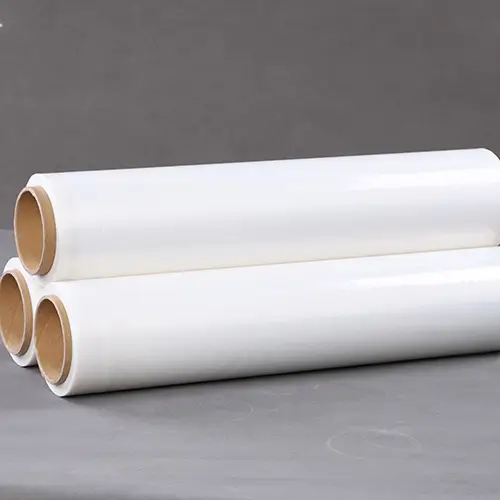
You know, the world is getting more conscious about waste, and that includes the stretch film industry. Compostable stretch wrap is gaining traction as a more environmentally friendly option. While it might not be suitable for every application just yet, it’s definitely something to keep an eye on as technology improves and costs come down. It’s not a perfect solution, but it’s a step in the right direction.
So, what is compostable stretch film exactly? It is typically made from plant-based materials, like cornstarch or other renewable resources. Under the right conditions (industrial composting facilities), these films will break down naturally, reducing our reliance on traditional plastics that can hand around in landfills for hundreds of years.
Final Wrap-Up
So, there you have it. Blown stretch film and cast stretch film – two different wrapping products, each with its own strengths and weaknesses. The key takeaway? Choosing the right film isn’t just about saving money; it’s about protecting your products and ensuring they reach their destination in perfect condition. So, next time you’re faced with a pallet-wrapping challenge, take a moment to consider your options.
FAQs
Q1: What is the main difference between blown and cast stretch film in terms of manufacturing?
A: Blown stretch film is manufactured by extruding plastic upwards in a bubble-like form, which cools and collapses into film. Cast stretch film involves extruding plastic onto a chilled roller, which cools it rapidly. This leads to subtle differences in the film’s properties and performance, such as tear resistance and clarity.
Q2: Can I use cast stretch film for really heavy pallets of bricks or stone?
A: Honestly, probably not. Cast stretch film is better suited for lighter, more uniform loads. For heavy stuff like bricks, you’ll want to go with blown stretch film for that extra strength and puncture resistance.
Q3: Is compostable stretch film as strong as traditional stretch film?
A: Generally, compostable options aren’t quite as strong as traditional films yet. The technology is improving, but for really demanding applications, you might still need to rely on blown stretch film.
Q4:How does the thickness or gauge of stretch film affect its performance in securing pallets?
A: The gauge or thickness of stretch wrap impacts its stretch and puncture resistance. The thicker stretch wrap usually has high strength and puncture resistance, which safeguards the pallet stable during shipping.
Q5: How can industries choose the right type of stretch film-blown or cast-to optimize their packaging process?
A: To choose the appropriate type of stretch film, industries should consider several factors, including load type (heavy or light), environmental conditions, budget, and application method (manual vs. machine). Experimenting with samples of both blown and cast stretch film and gathering feedback from your team can help make an informed decision to optimize protection, efficiency, and value.