
Imagine a customer walking into your grocery store, grabbing a compostable bag, and smiling because they know their purchase isn’t wrapped in plastic or leaving harmful leftovers in nature. That’s the magic of compostable grocery bags — a small change that can create a big impact.
As a compostable bag manufacturer and factory, we have witnessed with our own eyes how distributors and retailers like you are reshaping the future of retail. Let’s take a closer look at why compostable plastic bags are not only a trend but also a necessity.
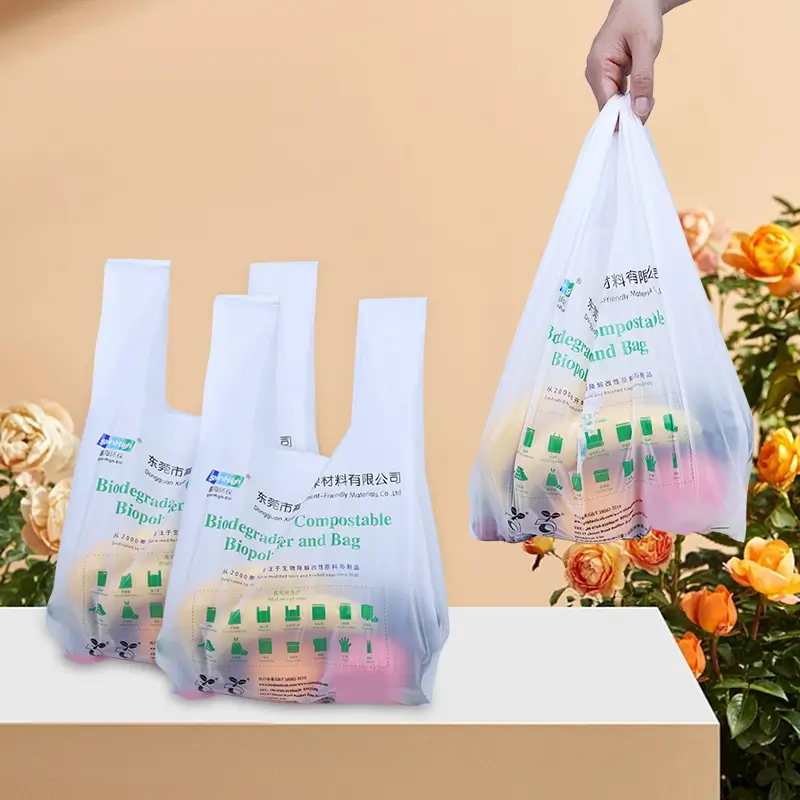
How Grocery Stores Will Benefit From Compostable Bags?
The Plastic Pollution Crisis: A Wake-Up Call for Retailers
There is no denial that plastic pollution is a problem and a stark needs to address this issue is building around the world.
Something you should be aware of, is the fact that we dump around 8 million tons of plastic into the oceans every single year. These plastic grocery bags are some of the biggest contributors to overfilled oceans. On top of that, traditional plastic bags take more than a thousand years to break down when a person literally has to burn them to get rid of the dead sea. However, compostable plastic bags take a few months to disintegrate – and even better, while doing so, they don’t release harmful materials into the environment.
A Grocery Store’s Responsibility on the Environmental
Your grocery store serves a community. You are not just selling goods, you’re also influencing how people interact with the world around them. Switching to compostable plastic bags is a powerful step you can take to demonstrate your commitment to environmental stewardship. Your store will help to reduce carbon footprint, minimize waste, and contribute to a healthier planet for future generations.
Customer Demand Regarding Eco-Friendly Packaging Solutions
Grocery shopping no longer only involves purchasing kale – it’s about purchasing principles too. As per a 2023 report by Nielsen, 65% of global respondents said they were willing to choose sustainable products even if they had to pay more. When you sell compostable bags for grocery stores, you’re not only selling products, but selling hope.
Align with Global Sustainability Goals
From the UN’s SDGs to local bans on single-use plastics, governments are cracking down. Compostable bags help you stay ahead of regulations while ticking ESG boxes investors love.
Understanding Compostable Bags
Now, let’s dive into the details of compostable bags.
What Exactly Makes a Bag Compostable?
A compostable bag, such as a grocery bag is defined by a certain criteria that it must be able to be broken down into its constituent elements in a composting environment with no harmful residue left behind.
Generally to be considered compostable, a bag meets the standards set by certification bodies, for example, offered by The Institute for Biodegradable Products (BPI). The BPI is widely recognized across Canada and the United States and certifies that compostable products break down into soil without leaving any toxic residues. In case you do not find any certification, do not hesitate asking the vendor would you.
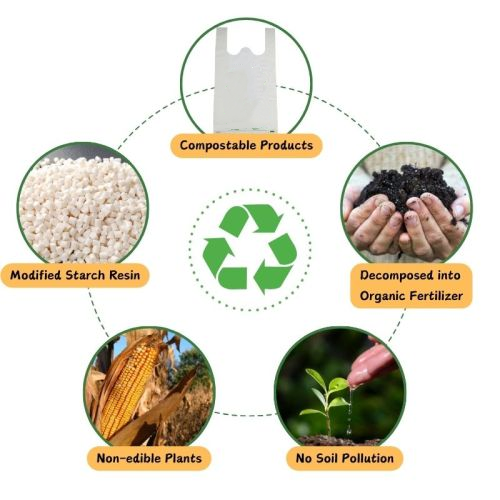
Types of Compostable Materials
There are some materials that are commonly used for compostable plastic bags:
- PLA (Polyactic Acid): Often derived from corn starch, this material is strong and clear.
- PBAT (Polybutylene Adipate Terephthalate): Often blended with PLA, PBAT improves the flexibility and durability of bags.
- Cellulose: This material is derived from plant fibers.
- Other Bio-Based Polymers: Some bags may use other innovative materials derived from plants.
The beauty is that these materials come from Earth. They return to the Earth and complete a natural cycle.
Choosing the Right Compostable Bags for Your Grocery Store
When picking out compostable bags for your store, there are a few things to consider.
Matching Bag Sizes to Your Needs
Think about the different sizes you’ll need: small bags for produce or loose items, medium ones for everyday shopping, and larger bags for bigger or heavier items. Offering a variety of sizes helps your customers shop comfortably and efficiently. The goal is to choose bags that can hold everything they need without breaking.
Thickness and Durability
You want bags that are strong enough to carry groceries without tearing, but you also want them to compost effectively. Finding the right balance is key. Look for bags with a good thickness that can withstand everyday use. Check the bag’s specifications.
Printing Options
Don’t forget branding! You can print your logo, a sustainability message, or even a catchy slogan on your compostable plastic bags. This is a great way to reinforce your brand identity and showcase your commitment to the environment.
Balancing Quality, Cost and Production Capacity
Need 500,000 bags/month? Partner with a reliable supplier (like ours!) that scales without compromising thickness or durability. You can request samples to test tear resistance, and load-bearing capacity. For bulk order, you can get a reasonable price from us and we will provide you with professional services.
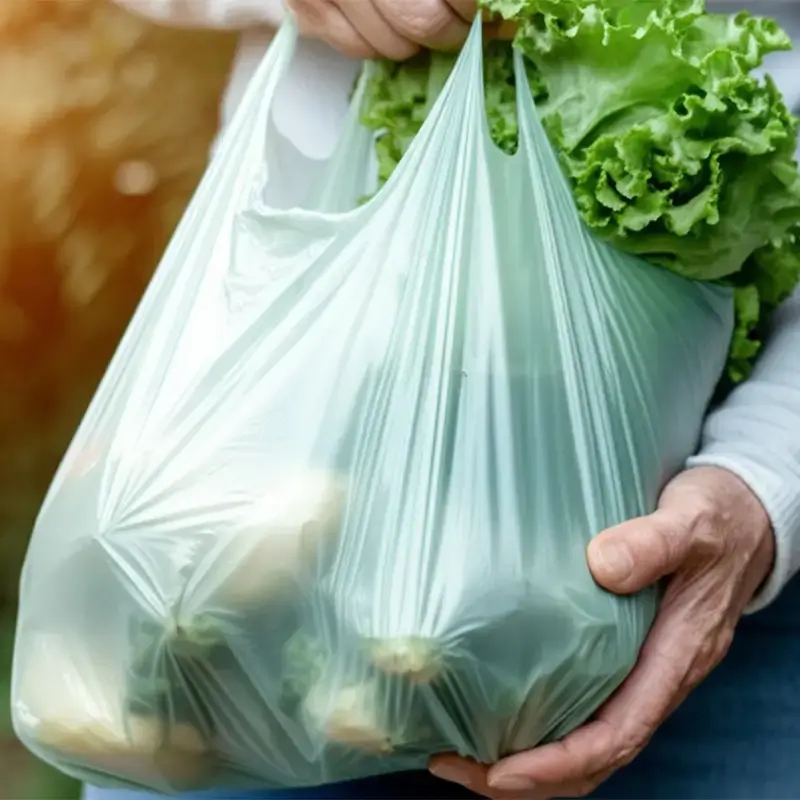
Benefits of Using Compostable Bags in Your Grocery Store
Reducing Landfill Waste and Environmental Footprint
As was previously discussed, compostable bags naturally break down over time. This markedly reduces the amount of waste compostable bags add to landfills. You are making a difference towards a cleaner planet and lowering your environmental footprint—A win, win!
Enhancing Your Brand Image and Customer Loyalty
This will improve your brand image greatly because your clientele will view you as a responsible brand that cares about the environment. This will also improve customer loyalty. Customers will have no problem supporting the business that aligns with their values.
Meeting Regulatory Requirements
As of late, many regions and cities are beginning to put rules in place to try and cut down on the use of plastic. This is why, by making the switch to compostable bags, you are already ahead of the curve! You are proactively preparing for possible regulations down the road, as well as proving your dedication to sustainable practices.
By switching to our sustainable packaging bags, FreshMart slashed waste fees and saw a 22% sales boost from eco-conscious shoppers.
Implementing Compostable Bags in Your Grocery Store: A Step-by-Step Guide
The transition to using compostable bags does not have to be complicated. Here’s how to achieve it without requiring too much effort:
Inventory Management
Manage your stock efficiently. Compostable bags should be able to satisfy your needs without excess inventory that would go past the expiration date. Carefully estimate current bag usage and order only what meets your needs.
Training Staff and Customers on Proper Disposal
Staff serves as the first line of defense. Provide training on the benefits of compostable bags along with their mechanics and how to answer customer related queries. Additionally, ensure that employees understand how these bags are unlike traditional plastic bags.
Make sure your customers get informed! Advertise along with training customer service to adequately provide answers to miscellaneous questions customers may have. Sell the idea along with market the idea simply as a shift to a better alternative.
Partnering with Local Composting Facilities
Establish partnerships with facilities offering collection bins since some even pay for compost material.
Finding the Right Compostable Bag Supplier
Choosing right supplier with necessary to the bags is crucial. Here’s what to look for:
Key Factors to Consider: Quality, Price, and Reliability
- Quality: Bags should meet set requirements and be tough enough fulfill the intended purpose. Before making bulk purchases, request samples to mitigate risks.
- Pricing: Assess the pricing of various suppliers in order to determine if there is one whose pricing is reasonable for their products or services.
- Reliability: Make sure the supplier can deliver on time and has a good track record.
Certifications to Ensure Genuine Compostability
Let’s talk about how you can make sure your compostable bags are the real deal. When shopping around, look for certifications like ASTM D6400, EN 13432, and AS 4736—these actually guarantee that the bags will break down completely in composting conditions.
Evaluating Supplier’s Sustainability Practices
Ever wonder if your supplier really cares about the environment? It’s worth digging into their sustainability efforts. Do they use renewable energy? Do they have other green initiatives? Picking a partner whose values match yours makes a big difference.
The Future of Compostable Bags in Grocery Stores
Looking ahead, compostable bags are only getting better.
Innovation in Compostable Materials
Thanks to ongoing innovation, they’re becoming more durable, more affordable, and usable in more ways than ever before.
The Rise of Closed-Loop Systems
Imagine a future where stores use packaging that’s all compostable and ends up enriching local soil—kind of like a closed-loop system. We’re moving toward those kinds of setups where waste is minimized and resources are reused.
Government Regulations and the Growth of the Market
As people become more aware of how plastic harms the environment, governments are stepping in with rules to cut down plastic waste. This growing concern is only going to boost the market for compostable bags in grocery stores.
Conclusion
In a nutshell, switching to compostable bags is a smart move for your store. They’re better for the planet, reinforce your brand’s eco-friendly image, and are appreciated by your customers. It might take some effort to get started, but the benefits are totally worth it.
So, ready to get on board with the green movement? Start looking into compostable grocery bags, find a trustworthy supplier, and make the switch—one compostable bag at a time.